health calculator
Menu
  • Home
  • Calculators
    • BMI Calculator
    • BMR Calculator
    • TDEE Calculator
    • Macro Calculator
    • Keto Calculator
    • Step Calculator for Weight Loss
    • Protein Calculator
    • Barbell Calculator
    • 1 Rep Max Calculator
    • Fitness Planner – Workout Distribution Tool
    • Workout Planner – Weekly Schedule Generator
    • Gym Workout Planner with 800+ Exercises
  • About
  • Contact us
  • How To Use
  • Blog
Menu

Category: Fitness & Exercise

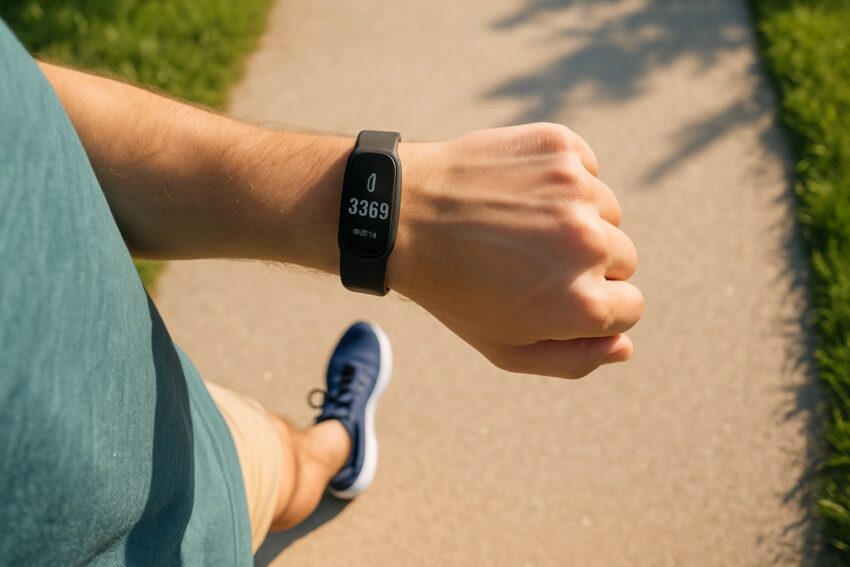
Japanese Walking Method illustration showing a 30 minute walking technique for higher fat burn

Japanese Walking Method: The Simple 30 Minute Technique That Burns More Fat Than Regular Walking

Posted on December 30, 2025May 14, 2026 by healthcalculator.org

The Japanese walking method has become one of the biggest fitness trends. This isn’t just another walking routine. It’s a scientifically proven technique that delivers better results than traditional 10,000-step goals.

​Developed by Dr. Hiroshi Nose at Shinshu University in Japan, this method changes how you think about walking. You don’t need fancy equipment or a gym membership. Just 30 minutes and a willingness to push yourself a bit harder than usual.

​What Is the Japanese Walking Method

The Japanese walking method is an interval-based exercise that alternates between fast and slow walking. You walk briskly for three minutes, then slow down for three minutes. Repeat this cycle five times for a total of 30 minutes.

This technique is also called interval walking training or the 3×3 walking method. The numbers refer to the three-minute intervals that make up the core of the workout.

​The brisk walking phase should feel challenging. You’re aiming for about 70% of your maximum effort. Talking becomes difficult but not impossible. The slow walking phase brings you down to around 40% effort. This is your recovery time where conversation flows easily again.

The Science Behind It

Dr. Hiroshi Nose and his team at Shinshu University spent years researching this method. Their studies involved hundreds of participants who followed the interval walking program.

​The results were clear. People who practiced interval walking showed greater improvements than those who walked continuously for the same amount of time. They experienced better aerobic capacity, stronger leg muscles, and improved heart health.

One landmark study compared interval walkers to people who walked 8,000 steps daily. The interval walking group lost more weight and saw bigger drops in blood pressure. Their physical fitness improved across multiple measures.

Recent research from 2025 involving 234 participants found that interval walking also improves bone mineral density. The effect was strongest in people who started with lower bone density. This matters as we age and bone health becomes more critical.

Why It Works Better Than Regular Walking

Your body responds differently to interval training compared to steady-state exercise. The alternating intensity creates what exercise scientists call metabolic stress.

During the brisk walking phases, your heart rate climbs and your muscles work harder. This triggers adaptations in your cardiovascular system. Your heart becomes more efficient at pumping blood. Your muscles learn to use oxygen more effectively.

The recovery phases aren’t wasted time. Your body is still working to return to baseline. This creates an afterburn effect where you continue burning calories even after the brisk interval ends.

The Japanese walking technique essentially gives you HIIT benefits without the joint stress. You get cardiovascular improvements similar to high-intensity interval training but in a low-impact format that most people can handle.

Health Benefits You Can Expect

Cardiovascular health improves significantly with regular practice. Studies show up to a 17% increase in aerobic capacity after several months of consistent interval walking.

Blood pressure responds well to this japanese walking method. Participants in Dr. Nose’s studies experienced noticeable reductions in both systolic and diastolic readings. This happens because the intervals strengthen your heart and improve blood vessel function.

Weight loss tends to be greater with interval walking compared to continuous walking at the same duration. The varied intensity boosts your metabolism and increases fat burning during and after your workout.

Blood sugar control improves as well. Your muscles become better at taking up glucose from your bloodstream. This benefit helps both people with diabetes and those trying to prevent it.

Leg strength increases measurably. The brisk intervals work your leg muscles harder than casual walking. Over time, you build strength in your thighs, calves, and glutes.

Mental benefits come along for the ride. Regular exercise of any kind helps with mood and cognitive function. The structure of interval walking gives you clear goals within each workout, which many people find motivating.

How to Do the Japanese Walking Method

Start with a proper warmup. Walk at an easy pace for five to ten minutes. This prepares your muscles and gradually elevates your heart rate.

For the brisk intervals, walk fast enough that holding a conversation becomes challenging. You should be able to speak in short sentences but not chat comfortably. This usually puts you at about 70% of your maximum heart rate.

Your posture matters during these brisk phases. Keep your spine straight and your chin slightly tucked. Pull your shoulders back and down. Engage your core muscles gently to support your lower back.

Your arms should bend at roughly 90 degrees at the elbows. Swing them naturally in rhythm with your steps. Don’t cross them in front of your body.

Plant your heel first, then roll through to your toes with each step. This heel-to-toe motion is more efficient and reduces impact on your joints. Avoid overstriding or taking steps that feel unnaturally long.

For the slow intervals, dial back your pace significantly. Your breathing should return to normal. You should be able to talk comfortably. This typically brings you down to about 40% of your maximum heart rate.

Continue alternating between brisk and slow for five complete cycles. This gives you 30 minutes of total walking time. Some people track their intervals using a fitness tracker or the steps calculator on health apps to monitor their progress.

You can finish with a cooldown if you want. Walk slowly for another three to five minutes to let your heart rate settle gradually.

Watch this helpful demonstration of the Japanese walking method in action:

Getting Started as a Beginner

If you’re new to exercise or haven’t walked much lately, start smaller. Try 15 minutes instead of 30. Do three complete cycles of the brisk and slow intervals.

Your brisk pace doesn’t need to match what fit people do. Push yourself enough to feel challenged but not so hard that you can’t maintain it for three minutes. You’ll naturally speed up as your fitness improves.

Practice four days per week to start. This frequency allows recovery between sessions while building the habit. You can increase to five or six days once the routine feels comfortable.

Choose routes that allow continuous walking without frequent stops. Parks, walking paths, and quiet neighborhoods work well. Treadmills give you precise control over pace if you prefer indoor workouts.

Pay attention to your form, especially when you’re tired. Walking past a mirror or recording yourself for 30 seconds helps you spot issues like slouching or dragging your feet.

Common Mistakes to Avoid

Many people start their brisk intervals too fast. They burn out before the three minutes end. Remember that you need to sustain this pace for multiple cycles. Find a challenging but maintainable speed.

Skipping the warmup is tempting when you’re short on time. Don’t do it. Those first easy minutes reduce injury risk and make the brisk intervals feel more manageable.

Some walkers neglect their posture once fatigue sets in. Check yourself periodically. Are your shoulders creeping up toward your ears? Is your core still engaged? Small form corrections make the workout more effective.

Holding your breath during brisk intervals is surprisingly common. Focus on steady breathing. Inhale through your nose and exhale through your mouth. This rhythm helps regulate your effort level.

Doing too much too soon leads to burnout or injury. If 30 minutes feels overwhelming, there’s no shame in starting with less. Consistency matters more than duration when you’re beginning.

Comparing This to Traditional Walking Goals

The 10,000-step goal has dominated fitness advice for years. It’s a reasonable target but somewhat arbitrary. Research on the Japanese walking method suggests that structured intervals might deliver better results in less time.

Walking 10,000 steps typically takes 60 to 90 minutes for most people. The Japanese walking technique requires only 30 minutes. You get comparable or superior cardiovascular benefits in half the time.

The intensity makes the difference. Steady-state walking at a moderate pace doesn’t challenge your cardiovascular system the same way intervals do. Your heart rate stays relatively stable instead of repeatedly climbing and recovering.

Both approaches have value. Some people enjoy longer walks for mental health or as social activities. Others prefer the efficiency and structure of interval training. You can even combine them by doing interval walking on some days and longer casual walks on others.

Who Should Try This Method

The Japanese walking technique suits most fitness levels. You can adjust the intensity of your brisk intervals to match your current ability.

Older adults often find this method appealing because it’s low-impact. The intervals provide challenge without putting excessive stress on joints. The bone density benefits are particularly relevant for this age group.

People trying to lose weight may prefer interval walking over continuous walking. The increased calorie burn and metabolic boost help with fat loss goals.

Those with high blood pressure can benefit significantly. Always check with your doctor first if you have cardiovascular concerns. But research supports interval walking as an effective way to reduce blood pressure naturally.

Busy professionals appreciate the 30-minute timeframe. You can fit this workout into a lunch break or before work without needing extensive time blocks.

Anyone who finds traditional exercise boring might enjoy the structure. The alternating intervals give you something to focus on. Each three-minute segment becomes a mini-goal within the larger workout.

When to Avoid This Technique

If you’re recovering from injury, especially to your legs or feet, wait until you’re cleared for exercise. The brisk intervals might put too much stress on healing tissues.

People with certain heart conditions need medical clearance before starting any interval training program. The intensity spikes could be problematic depending on your specific situation.

During pregnancy, check with your healthcare provider. Walking is generally safe, but the interval intensity might not be appropriate for everyone.

If you experience chest pain, severe shortness of breath, or dizziness during your workout, stop immediately. These symptoms warrant medical evaluation before continuing.

Making It a Habit

Schedule your walks at the same time each day. This consistency builds the habit faster than trying to fit workouts in whenever you have time.

Find a walking partner who wants to try the method with you. The accountability helps on days when motivation runs low. You can both do your brisk intervals together and then chat during the slow phases.

Track your progress somehow. This might mean noting which days you completed your workout or using apps to monitor heart rate and distance. Seeing your consistency builds momentum.

Prepare your gear the night before. Lay out comfortable shoes and clothes so there’s no friction in the morning. Remove as many obstacles as possible between you and starting your walk.

Mix up your routes to prevent boredom. Different scenery makes the 30 minutes pass more quickly. You might have a weekday route near home and weekend routes at parks or trails.

Taking Your Practice Further

Once you’re comfortable with the basic method, you can experiment with variations. Some people adjust the interval ratio to 2:2 or 4:4. Shorter intervals feel more intense. Longer ones build endurance.

Adding inclines during brisk intervals increases the challenge. If you’re on a treadmill, bump up the incline for your fast phases. Outdoors, choose routes with hills.

You might also try using a steps calculator to track how many steps you accumulate during your 30-minute intervals. This gives you concrete numbers to watch improve over time.

Some practitioners incorporate simple arm movements during slow phases. Gentle stretches or mobility work turn the recovery time into active recovery.

The Japanese walking method offers a practical alternative to time-consuming workout routines. Thirty minutes of structured intervals delivers measurable improvements in cardiovascular health, weight management, and overall fitness. The research backing this technique spans years and involves thousands of participants. You don’t need special equipment or expertise. Just commit to the intervals four times per week and give your body time to adapt. The results will follow.


Disclaimer: This article is for informational and educational purposes only and is not intended as medical or fitness advice. Consult a healthcare professional before starting any new exercise program, especially if you have a medical condition or injury.

Pink Stanley at the Gym

Pink Stanley at the Gym: Why This Water Bottle Became a Fitness Symbol

Posted on November 10, 2025November 10, 2025 by healthcalculator.org

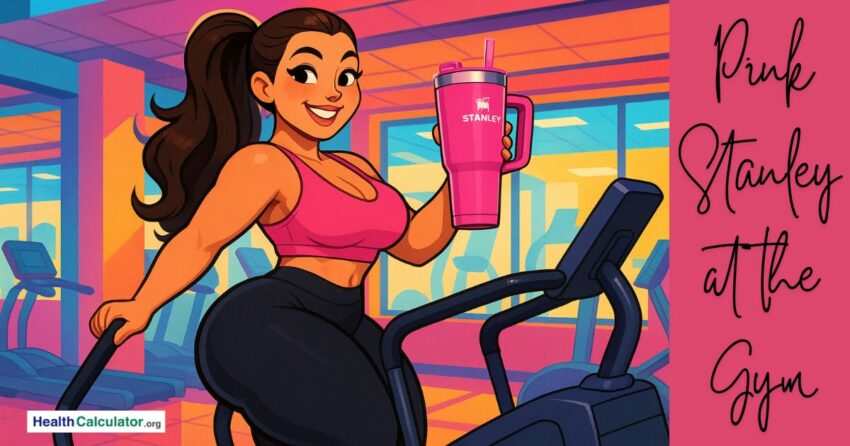
You’ve probably seen her. The woman on the Stairmaster with a massive pink water bottle. She’s sweating but somehow looks completely unbothered. That’s the Pink Stanley at the gym phenomenon, and it’s taken over fitness spaces in 2025.

The Pink Stanley at the gym trend started as a simple preference for a specific color of insulated tumbler. But it grew into something bigger. Now it represents an entire gym identity. Women who carry these bottles have become the subject of viral memes, motivational content, and even friendly competition.

What Is Pink Stanley at the Gym?

Pink Stanley at the gym refers to the Stanley Quencher tumbler in pink, usually the 40-ounce version. These bottles are large, insulated, and come with a handle and straw. The pink color options range from soft pastels to bright fuchsia, sometimes with sparkles or limited edition finishes.

The bottle itself isn’t new. Stanley has been making durable drinkware since 1913. But the pink versions became a status symbol around 2024 and exploded in gym culture throughout 2025. Women started bringing them to workouts not just for hydration but as a statement piece.

The trend caught fire on social media. TikTok and Instagram filled with videos of “Pink Stanley Girls” dominating cardio machines, particularly the Stairmaster. These videos often show a woman effortlessly working out for extended periods while a guy next to her struggles to keep up. The pink bottle sits prominently in frame, almost like a trophy.

View this post on Instagram

One viral video from creator Riley (@kentvegas) showed this exact scenario. A man tried to outlast a woman on the Stairmaster. She had her pink Stanley. He didn’t stand a chance. The video racked up over 5 million likes and spawned thousands of recreations.​

Another popular post from fitness influencer Emily Filz showed her mid-workout with the caption about never competing with other women but always outlasting men on the machine. Her pink Stanley sat right there on the console. Comments flooded in from women saying they felt the same way.​

Why Pink Stanley at the Gym Became So Popular

The appeal goes beyond aesthetics. Women report feeling more motivated to go to the gym when they have gear they genuinely like. A pink Stanley isn’t just functional. It’s personal. It signals that you take your workouts seriously but don’t take yourself too seriously.

The bottle’s size matters too. At 40 ounces, it holds enough water to last through long training sessions without refills. Proper hydration directly impacts performance. Research shows that even 2% dehydration can reduce endurance by roughly 10% and decrease strength and power output. When you’re pushing through a tough Stairmaster session or lifting heavy with a barbell, staying hydrated isn’t optional.​

The insulation keeps water cold for hours. This matters more than people realize. Cold water is easier to drink in large quantities during intense exercise. Studies on athletes show that maintaining hydration throughout workouts helps preserve plasma volume, reduces heart rate during submaximal exercise, and delays fatigue.​

But the cultural aspect is just as important as the physical benefits. Pink Stanley at the gym creates a sense of belonging. Women see other women with the same bottle and feel an instant connection. It’s like wearing a team jersey. You’re part of a group that values fitness, self-care, and a little bit of personality in the process.

The meme culture around it adds humor and motivation. When you see viral videos of Pink Stanley Girls outlasting everyone on the Stairmaster, it’s funny. But it’s also inspiring. It sends a message that consistency and preparation (including proper hydration) beat raw effort every time.

The Stairmaster Connection

Pink Stanley at the gym is especially tied to Stairmaster workouts. This isn’t random. The Stairmaster is one of the most challenging cardio machines. It requires sustained effort and mental toughness. You can’t just zone out like you might on a treadmill.

Women who regularly use the Stairmaster tend to be experienced gym-goers. They know what works. They come prepared. And preparation includes hydration. The pink Stanley becomes a visual marker of that experience and dedication.

The Stairmaster also makes for great content. The machine’s console provides a perfect spot to place a colorful water bottle. The sweat, the effort, the endurance all make for compelling videos. Add a pink Stanley, and you have an instantly recognizable image.

Real Performance Benefits

Pink Stanley at the gym isn’t just about looks or memes. The hydration element has real effects on workout quality. When you’re adequately hydrated, your body can regulate temperature better. This means you can train harder for longer without overheating.

For strength training, hydration affects muscle function. If you’re using a barbell calculator to track progressive overload or testing your limits with a 1 rep max calculator, you need your muscles operating at full capacity. Dehydration reduces strength by approximately 2% and power by approximately 3%. That might not sound like much, but it’s the difference between hitting a personal record and missing it.​

Endurance athletes benefit even more. If you’re tracking activity with a step calculator for weight loss, you know that cardio sessions can last 30 to 60 minutes or more. During that time, fluid loss through sweat can be significant. Drinking 600 to 1200 mL per hour during extended exercise helps maintain performance.​

Recovery matters too. Post-workout hydration supports muscle recovery and nutrient transport. If you’re using a protein calculator to optimize your nutrition, remember that protein synthesis happens more efficiently when you’re properly hydrated. Water helps deliver amino acids to muscle tissue and removes metabolic waste.

How to Join the Trend (If You Want To)

You don’t need a pink Stanley to have great workouts. But if the trend appeals to you, there’s no shame in embracing it. Here’s what to know.

First, the bottle is an investment. Stanley Quenchers typically cost between $35 and $50 depending on the color and finish. Limited edition pinks can cost more. But they’re durable. Many users report having the same bottle for years.

Second, the size takes getting used to. A 40-ounce bottle is heavy when full. Some people prefer the 30-ounce version for gym sessions. Consider what fits in your gym bag and cup holders.

Third, clean it regularly. The straw and lid can harbor bacteria if not washed properly. Most Stanley bottles are dishwasher safe, but hand washing the straw is recommended.

And finally, remember that Pink Stanley at the gym is ultimately about what makes you feel good. If a bright pink water bottle motivates you to show up and work hard, that’s what matters. The trend is fun, but the consistency is what gets results.

The Psychology Behind the Trend

There’s real psychology at play here. Behavioral science shows that visible reminders of goals increase follow-through. When you invest in quality gym gear, you’re more likely to use it. A $45 water bottle sitting on your counter is a daily reminder to get to the gym.

The color choice matters too. Pink is often associated with energy, playfulness, and confidence. In a gym environment that can feel intimidating, especially for women, bringing something that feels personal and fun reduces that intimidation.

Social proof plays a role as well. When you see hundreds of women online sharing their Pink Stanley at the gym moments, it normalizes prioritizing fitness. It makes working out feel less like a chore and more like participating in something bigger.

Beyond the Memes

Pink Stanley at the gym will eventually fade as trends do. But the underlying message has staying power. Take your workouts seriously. Stay hydrated. Find ways to make fitness enjoyable. Bring personality into your routine.

The women in those viral videos aren’t just showing off their water bottles. They’re demonstrating consistency, preparation, and mental toughness. Those qualities don’t come from the bottle. They come from showing up day after day and putting in the work.

But if a pink insulated tumbler helps you show up more consistently, that’s a win. Fitness is personal. What motivates one person might not work for another. The important thing is finding what works for you and sticking with it.

Pink Stanley at the gym represents more than a product. It’s a symbol of women claiming space in fitness culture on their own terms. It’s about being prepared, staying hydrated, and not apologizing for bringing a little style to your sweat sessions. And that’s something worth celebrating, even after the trend moves on.

Tren steroid dangers

Tren: The Steroid Destroying Gym Culture and Lives

Posted on October 31, 2025November 14, 2025 by healthcalculator.org

Some bodybuilders want fast results and bigger muscles. In gyms, this starts talk about shortcut drugs. Tren is one of the most talked about. Its real name is trenbolone. Chemically, it is called “(17β)-17-hydroxyestra-4,9,11-trien-3-one.” You may also see it sold as Trenbolone Acetate, Trenbolone Enanthate, or brands like Finajet, Parabolan, and “Tren Hex.” People just say “Tren.” This drug began as a cattle medication for fast muscle growth.​

You will see Tren called things like “Tren A,” “Tren E,” “Fina,” or “Trenbolone Hex.” On the black market, these names all point to the same group of drugs. It is not for humans, and medical bodies do not approve it for people.​ In this post we will understand the tren steroid dangers and how it can affect our body and health.

Why People Use Tren

People take steroids like Tren to gain muscle quickly. Social media and online forums tell stories of big changes in weeks. Some say it “melts fat” and “builds crazy size.” The promise: more muscle, less fat, look great fast. Bodybuilders say it breaks plateaus when natural progress slows down. Some use it for contests or to stand out online. Most never talk about the risks.​

How Tren Works in the Body

Tren is a man-made steroid built to act like testosterone. When injected, it moves into the blood and slowly releases over days. The body soaks it up. Tren locks onto androgen receptors in cells—these are the same switches natural testosterone hits. Tren is much stronger. It stops your own testosterone from working by flooding those switches. Protein builds up fast in the muscles. Recovery speeds up. Muscle cells grow beyond normal limits. Red blood cells go up, giving more endurance for workouts.​

Tren also forces the body to burn fat. Energy shifts to muscle, not storage. Appetite goes up for some people. It blocks some hormones (like cortisol) that break down muscle.

What Tren Does Technically (Side Effects and Damage)

But this power has a high price. Tren wrecks body systems in ways that natural muscle growth never does.

  • It turns off your natural testosterone cycle. The testicles shrink, sperm drops, sex drive crashes, and recovery after stopping is slow or never complete.​
  • The liver and kidneys are hammered. Tren is processed many times in these organs. Cells can become damaged. In some people, liver failure happens.​
  • Blood pressure rises. Cholesterol balance gets worse. Bad cholesterol jumps, good cholesterol goes down. This makes arteries clog faster, boosting heart attack risk, even in the young.​
  • Mood swings, aggression, and paranoia go up. Some users get angry for no clear reason. Many feel anxious or deeply sad. Some describe a “foggy brain” or total loss of focus. A third will face withdrawal or panic when stopping.​
  • It can trigger irregular heartbeats or lead to thickening of the heart wall. This sets up fatal heart rhythms and sudden cardiac arrest.​
  • In both men and women, acne, hair loss, and oily skin are almost certain. Some will see breast tissue growth. Women can grow thick body hair or get a deep voice.
  • Immune cells stop working well. Infections start more easily, and cuts heal slowly. Injections can cause abscesses or, rarely, muscle death at the spot used.​
  • Risk of cancers goes up, especially for those with a family history. Prostate cancer in men, breast cancer in rare male steroid users.​

How the Gym is Changing

Before steroids, gains were measured by patience and work. Gym regulars now compare size, not skill. The “Tren look” is massive, dry, and tight. Younger users feel they cannot keep up without it. Many now see steroids as normal, not cheating. Gym talk shifts from routines and nutrition to drug cycles and side effects.

Studies now show five to ten percent of gym goers use anabolic steroids. In serious bodybuilding circles, a quarter to half have used or are using. It is now common even in casual fitness spaces, not just contests.​

Supportive gym culture is changing. There is less interest in long-term wellness. The urge for fast results breaks trust. Younger people, influenced by social media, jump into steroid use after seeing a few online posts.​

Why Tren is Dangerous in Simple Terms

  • Not safe for humans; made for animals.
  • Shuts off natural hormone cycles; can cause permanent loss of function.
  • Destroys the liver, heart, kidneys, and mind over time.
  • Messes with emotions, causes dependency, makes quitting harder than starting.
  • Risks don’t go away if you “cycle off.” Some changes do not heal fully, even after stopping forever.​

Why Real Progress Matters More

Social media may show fast changes, but the body pays the true cost for years. One “cycle” can change health for life. Trainers who reject shortcuts last longer. Health is about what you gain and keep. Shortcuts hurt more than they help.

If you care about progress, use real numbers, not just the mirror. Track your health using trusted checks. Check your body mass index with our BMI calculator.

Summary & Takeaway

Tren’s chemical name is trenbolone, used as Trenbolone Acetate, Enanthate, or Hexahydrobenzylcarbonate. Slang names: “Tren,” “Tren A,” “Tren E,” “Fina,” or “Parabolan.” Built for animals, not humans. Causes fast, unnatural muscle growth and heavy side effects. Hurts nearly every system inside the body. Risks are often hidden or delayed. People use it for the look. But real, lasting health does not come from a shortcut like this.

To get real, honest information outside of gym myths, see the official FDA warnings about bodybuilding supplements and steroids. For science-backed effects and research, view the U.S. National Library of Medicine on anabolic steroids.

steroid abuse

Steroid Abuse in Gym Culture: The Full Story Behind Muscle Growth

Posted on October 20, 2025November 14, 2025 by healthcalculator.org

Steroids have made a strong presence in gym culture everywhere. Many people take them to build muscle faster, get stronger, or appear leaner. But most don’t pause to consider what these drugs do inside your body. This article explains what steroids really are, why they were originally made, the short term benefits, and long term side effects of the steroid abuse. The goal is simple: help you understand before you decide to use them.

What Steroids Are

Anabolic steroids are man-made forms of testosterone, the male hormone that controls muscle growth, strength, and recovery. Steroids push these processes beyond what the body can do naturally.

Not all steroids are the same. Doctors use corticosteroids for inflammation and medical treatments. Anabolic steroids are the kind used mainly to boost muscle and performance. These are the ones causing trouble in gyms.

People take steroids in different ways—pills, injections, or skin gels. Some stack several kinds to get better effects. Others cycle stopping and restarting. But no way is truly risk-free. Your body still suffers.

Why People Use Steroids

The pressure to look good and gain muscle fast in gym culture is intense. When others bulk up quickly, many feel the need to catch up. Steroids promise rapid results. And for a short time, they deliver. Bigger muscles, higher energy, faster recovery. But every shortcut comes with a price.

Types of Steroids, Their Medical Origins, Benefits, and Risks

Here are common anabolic steroids used in gyms. For each, we’ll explain why it was first made, its short term muscle effects, and long term dangers.

  1. Testosterone (Many Forms)

Original Purpose of the Steroid
Testosterone replacement therapy helps men with low hormone levels, delayed puberty, or diseases causing muscle loss.

Short Term Benefits to People Who Abuse
Increases muscle size, strength, and speeds recovery. Many users feel energized and confident.

Long Term Side Effects of Steroid Abuse
Body often shuts down its own testosterone production. This leads to low hormone levels, shrinking testicles, infertility, and mood changes. It may harm the heart and raise blood pressure. Some need lifelong hormone treatment after quitting.

  1. Dianabol (Methandrostenolone)

Original Purpose of the Steroid
Developed in the 1950s to help athletes recover muscle after illness or surgery.

Short Term Benefits to People Who Abuse
Quick muscle and strength gain. Speeds up protein use in muscles, flushes out waste.

Long Term Side Effects of Steroid Abuse
Severe liver damage is common. Causes bloating, acne, high blood pressure, and buildup of female hormones leading to breast growth in men. Gains disappear quickly after stopping.

  1. Deca Durabolin (Nandrolone Decanoate)

Original Purpose of the Steroid
Used medically to treat anemia, osteoporosis, and muscle wasting.

Short Term Benefits to People Who Abuse
Builds muscle and eases joint pain. Good for bulking but with less water retention than Dianabol.

Long Term Side Effects of Steroid Abuse
Causes sexual dysfunction called “Deca dick.” Lowers libido and natural testosterone. Raises bad cholesterol, strains heart, and disrupts hormones.

  1. Winstrol (Stanozolol)

Original Purpose of the Steroid
Designed for anemia and hereditary angioedema (swelling).

Short Term Benefits to People Who Abuse
Supports fat loss while keeping muscle. Makes muscles look firm and vascular.

Long Term Side Effects of Steroid Abuse
Harms liver function, dries out joints, messes with cholesterol. Users suffer joint and tendon injuries. Raises risk of heart disease.

  1. Trenbolone

Original Purpose of the Steroid
Veterinary medicine to help cattle build muscle faster.

Short Term Benefits to People Who Abuse
Huge muscle growth and fat loss. Body looks hard and defined.

Long Term Side Effects of Steroid Abuse
Harsh on heart and hormones. Causes aggression, night sweats, insomnia. Many users have trouble recovering natural hormone levels.

  1. Anavar (Oxandrolone)

Original Purpose of the Steroid
Helped patients gain weight after surgery and fight muscle loss.

Short Term Benefits to People Who Abuse
Builds lean muscle with little water weight. Good during fat loss phases.

Long Term Side Effects of Steroid Abuse
Suppresses natural hormone production. Can harm liver and lower good cholesterol. Women risk voice deepening and unwanted hair.

  1. Anadrol (Oxymetholone)

Original Purpose of the Steroid
Used to treat anemia and muscle-wasting conditions.

Short Term Benefits to People Who Abuse
Rapid size and strength gains due to increased red blood cells and fluid retention.

Long Term Side Effects of Steroid Abuse
Liver toxicity, headaches, high blood pressure. Gains are mostly water weight and fade after use. Causes fatigue and depression post-cycle.

  1. Clenbuterol

Original Purpose of the Steroid
A drug for asthma and breathing disorders (not a steroid but often stacked).

Short Term Benefits to People Who Abuse
Boosts metabolism and fat burning. Gives energy and a lean look.

Long Term Side Effects of Steroid Abuse
Damages heart muscle, causes irregular heartbeat and anxiety. Dangerous for long term use.

  1. Primobolan (Methenolone)

Original Purpose of the Steroid
Used medically for muscle wasting and anemia.

Short Term Benefits to People Who Abuse
Preserves muscle during calorie cutting. Milder effects than many steroids.

Long Term Side Effects of Steroid Abuse
Still lowers testosterone and stresses liver. Long term hormonal imbalance is common.

  1. Masteron (Drostanolone)

Original Purpose of the Steroid
Developed to treat breast cancer in women.

Short Term Benefits to People Who Abuse
Adds muscle hardness and definition during contest prep.

Long Term Side Effects of Steroid Abuse
Hair loss, acne, cholesterol imbalance. Raises blood pressure and heart risks.

Physical and Mental Side Effects Build Over Time

No steroid is safe. The risks increase with use and time:

  • Hormone shutdown leading to lifelong low testosterone
  • Heart disease from bad cholesterol and blood vessel damage
  • Liver damage from processing strong drugs
  • Kidney strain from excess metabolism stress
  • Infertility and loss of sperm count
  • Mood swings, anxiety, depression, and aggression
  • Many problems remain long after steroids leave the body.

Why Steroids Should Be Avoided

For a moment, steroids make muscles bigger and stronger. But they change how your body works inside. Organs strain to handle the chemicals. Your natural hormones stop. Once broken, the damage can be permanent. Many regret using steroids years later, not because they lost muscle but because their health suffered.

Better, Safer Ways to Reach Fitness Goals

Natural progress is slower but steady. Build muscle with good food, rest, and consistent exercise. Use evidence-based methods and tools to track your progress. The Basal Metabolic Rate (BMR) Calculator on HealthCalculator.org helps you plan your calories and training safely.

You can also rely on trusted sources like the National Institutes of Health for solid facts on health and steroid effects.

Final Thought

Steroids are no shortcuts. They borrow from your future health to boost today’s gains. Real strength is about how long your body lasts, not how fast your muscles grow. The gym is for progress, not harm. Give yourself time and care, you will get results that last.

10000 steps a day

10000 Steps a Day: Myth or Science for Healthy Weight Loss?

Posted on August 7, 2025November 14, 2025 by healthcalculator.org

In the world of health and fitness, few goals are as well-known as taking 10,000 steps a day. Fitness trackers beep when you hit that number, headlines call it the golden rule for health, and friends proudly share their daily totals. But how did 10 thousand steps a day become the standard for health; does science actually support it for healthy weight loss?

Let’s clarify the myths and facts. We want to help you set step goals that achieve more than just a number in your fitness app.

The Origin of the 10000 Steps a Day Rule

The 10000 steps a day goal surprisingly didn’t come from weight loss studies or scientific findings. Its history shows that it started with a Japanese marketing campaign in the 1960s aimed at selling a pedometer called “manpo-kei,” which means “10,000 steps meter.” The number was chosen for being catchy and easy to remember, not because it was based on scientific evidence.

Over the years, brands and fitness experts embraced the number, turning it into a standard for daily activity.

Myth: 10 Thousand Steps a Day is the Gold Standard

The 10,000 daily step count is certainly popular, but its origin appears to be cultural rather than backed by scientific research.

  • No Universal Scientific Basis: The Minimum activity threshold necessary to achieve health benefits has long perplexed researchers. The notion that 10000 steps a day is the absolute minimum for enhanced health is a myth.
  • Health Benefits Start Lower: Many adults aged 45 and older stand to gain several health enhancements, including enhanced cardiovascular function and lowered mortality risk, by taking between 4,000-7,000 steps daily.
  • It’s A Multifactorial Issue: The path to weight loss, while certainly including a caloric deficit. is a rather complex multifactorial issue that goes far beyond the step count.

Science: What Does Research Say About Steps and Weight Loss?

While keeping track of your step count can be a fun way to stay motivated on your fitness journey, the link between steps and weight loss is a bit more intricate:

  • Calories Burned: Generally, walking around 10,000 steps can burn roughly 300–500 calories, but this varies based on factors like your weight, walking speed, and overall fitness level.
  • Role of Food Intake: Just one calorie-dense meal or snack can easily counteract the calories you burn from those 10 thousand steps.
  • Body Adaptation: Your body tends to adjust to regular walking, which might lead to burning fewer calories over time, especially if you stick to the same step count.

Key takeaway: Walking can definitely help you create a calorie deficit, but without adding in other strategies—like better nutrition, strength training, or simply moving more throughout the day—you might find your weight loss journey hitting a plateau.

Beyond the Step Count: What Really Matters

1. Intensity of Movement

Not all steps are created equal. When you pick up the pace with brisk walking, jogging, or tackle some hills, you’re really challenging your body and burning more calories compared to a leisurely stroll.

    2. Lifestyle & NEAT (Non-Exercise Activity Thermogenesis)

    The calories you burn outside of your formal workouts—like doing household chores, playing with your kids, or even walking while chatting on the phone—really add up. Staying active in your daily life can have a huge impact, sometimes even more than just focusing on those dedicated exercise sessions.

      3. Diet Quality

        No matter how much you walk, it won’t make up for consistently poor eating habits. Weight loss really boils down to maintaining a calorie deficit—burning more calories than you take in.

        4. Sleep & Stress

          Lack of sleep and ongoing stress can throw your hormones out of whack, affecting your appetite and how your body stores fat, which can lessen the benefits of your daily movements.

          5. Personalization

            Set goals that align with your health, lifestyle, and what you enjoy. If you’re starting from a sedentary lifestyle, gradually increasing your steps from 3,000 to 6,000 is a fantastic way to improve your health. For those who are already active, aiming for 10,000 steps might be a suitable challenge. Just remember, everyone’s “magic number” is unique!

            Should You Aim for 10000 Steps a Day? A Practical Perspective

            • It’s a Great Motivational Tool: For a lot of people, keeping track of their steps can be a real game-changer. If shooting for 10 thousand steps gets you up and moving, that’s awesome!
            • It’s Not a Must: Even if you take fewer steps, you can still enjoy significant health benefits, especially when you pair it with a balanced lifestyle.
            • Make It Part of a Bigger Plan: Think about combining your walking routine with other exercises like strength training or HIIT, along with healthier eating habits and good quality sleep for effective, sustainable weight loss.

            Use a Step Calculator for Weight Loss

            When it comes to step goals, there’s no one-size-fits-all solution. Want to find a more personalized approach? Check out our step calculator for weight loss to uncover a daily target that fits your unique body, lifestyle, and goals.

            Conclusion

            The “10000 steps a day” guideline can be a useful benchmark, but it’s not a scientifically proven rule for health or weight loss. What really matters is finding what inspires you, staying consistent, and remembering that the quality of your movement and the joy you find in it are just as important as the number of steps you take. Embrace all kinds of movement and celebrate every little victory on your journey to a healthier you.

            FAQs

            Q: Can I lose weight with fewer than 10000 steps daily?

            A: Absolutely! Weight loss is all about creating a calorie deficit, which you can achieve even with fewer steps, especially if you’re also watching your calorie intake.

            Q: What matters more—steps or exercise intensity?

            A: Both are crucial, but the intensity of your workouts can significantly boost calorie burn and improve your fitness over time.

            The key is to stay active. Whether you’re walking 5,000, 8,000, or 12,000 steps, make a commitment to move every day; your body, mind, and mood will definitely appreciate it!

            keto diet

            The Keto Diet: Benefits, Risks, and Getting Started

            Posted on June 30, 2025November 14, 2025 by healthcalculator.org

            Imagine a diet that promises rapid weight loss, improved mental clarity, and steady energy levels—without constant hunger pangs. This is the allure of the keto diet, a low-carb, high-fat eating plan that has sparked both enthusiasm and debate. But is it right for you? In this ketogenic guide, we’ll explore the science behind the diet, its potential keto diet benefits, risks, and practical steps to help you decide if this lifestyle aligns with your health goals.


            What is the Keto Diet?

            The ketogenic (keto) diet is a low-carb eating plan designed to shift your body into a metabolic state called ketosis. By drastically reducing carbohydrate intake (typically to 20–50 grams per day) and increasing fats, the diet forces the body to burn fat for fuel instead of glucose.

            Key Components:

            • High fat: 70–80% of daily calories from sources like avocados, oils, nuts, and fatty meats.
            • Moderate protein: 20–25% to prevent excess protein from converting to glucose.
            • Very low carbs: 5–10% (about 20–50 grams net carbs daily).

            The Science Behind Ketosis

            When you eat carbs, your body breaks them down into glucose, its preferred energy source. On keto, carb restriction depletes glucose stores, prompting the liver to convert fats into ketones. These ketones become the brain and body’s primary fuel.

            Research Insight: A 2018 study in Nutrients found that ketosis improves insulin sensitivity and reduces inflammation, which may benefit conditions like type 2 diabetes and obesity. However, long-term effects require further study.


            Benefits of the Keto Diet

            1. Weight Loss:
              One of the most touted keto diet benefits is rapid initial weight loss, partly due to water loss and reduced appetite. A 2020 review in Obesity Reviews noted greater short-term weight loss on keto compared to low-fat diets.
            2. Blood Sugar Control:
              By minimizing carb intake, keto can stabilize blood sugar levels, making it a potential tool for managing type 2 diabetes (under medical supervision).
            3. Enhanced Mental Focus:
              Ketones provide a steady energy source for the brain, which some report improves concentration and reduces “brain fog.”
            4. Epilepsy Management:
              The diet was originally developed in the 1920s to reduce seizures in children with epilepsy, a use still endorsed by institutions like Johns Hopkins Medicine.

            Potential Risks and Drawbacks

            While promising, keto isn’t without risks:

            1. Keto Flu:
              Initial side effects like headaches, fatigue, and irritability (caused by electrolyte imbalances) affect many beginners.
            2. Nutrient Deficiencies:
              Restricting food groups may lead to deficiencies in fiber, vitamins (e.g., C, K), and minerals.
            3. Heart Health Concerns:
              High intake of saturated fats (e.g., red meat, butter) may increase LDL cholesterol in some individuals. Experts recommend prioritizing unsaturated fats like olive oil and nuts.
            4. Sustainability:
              Strict carb limits can make social dining and long-term adherence challenging.

            Is the Keto Diet Right for You?

            Consider keto if:

            • You’re managing epilepsy or type 2 diabetes (with professional guidance).
            • You prefer satiating, fat-rich meals.
            • You’re prepared for meticulous meal planning.

            Avoid it if:

            • You have kidney disease, pancreatic issues, or a history of eating disorders.
            • You’re pregnant or breastfeeding.
            • You dislike restrictive diets.

            Pro Tip: Consult a healthcare provider or dietitian before starting, especially if you take medications (e.g., insulin).


            Getting Started: A Step-by-Step Guide

            1. Calculate Your Macros:
              Use our Keto Calculator to determine your daily fat, protein, and carb targets.
            2. Stock Keto-Friendly Foods:
            • Fats: Avocado, olive oil, coconut oil.
            • Proteins: Eggs, fatty fish, chicken thighs.
            • Low-carb veggies: Spinach, broccoli, zucchini.
            1. Stay Hydrated and Replenish Electrolytes:
              Drink water and consider sodium, potassium, and magnesium supplements to combat keto flu.
            2. Ease into It:
              Gradually reduce carbs over a week to minimize side effects.

            Meal Planning and Food Choices

            Sample Day on Keto:

            • Breakfast: Spinach omelet with avocado.
            • Lunch: Grilled chicken salad with olive oil dressing.
            • Dinner: Salmon with cauliflower rice.
            • Snacks: Cheese, nuts, or olives.

            Avoid: Sugary snacks, grains, legumes, and starchy vegetables.


            Common Pitfalls to Avoid

            1. Overeating Protein: Excess protein can disrupt ketosis. Stick to moderate portions.
            2. Ignoring Fiber: Combat constipation with low-carb veggies and chia seeds.
            3. Hidden Carbs: Check labels for sneaky carbs in sauces, condiments, and “low-fat” products.

            Conclusion

            The keto diet offers compelling benefits, from weight loss to improved metabolic health, but it’s not a one-size-fits-all solution. By understanding the science, risks, and practical strategies outlined in this ketogenic guide, you can make an informed choice. Remember: sustainable health hinges on balance, personalization, and professional guidance.


            Keto Diet Explained in 60 Seconds: Watch the Visual Breakdown


            Disclaimer: This article is for educational purposes only. Consult a healthcare provider before making dietary changes.


            health calculator and yoga

            Health Calculators and Yoga: A Junction for Holistic Well-Being

            Posted on May 10, 2024November 14, 2025 by healthcalculator.org

            The integration of health calculators and yoga represents a harmonious fusion of quantitative assessment and qualitative self-care. But before going further to understand it, let’s see what these health calculators are and what their types are.

            In simple terms, a health calculator is an invaluable tool for assessing and understanding key aspects of one’s health. It can help you make some informed decisions based on insights for your health improvement.

            Different types of health calculators:

            ·        BMI (Body Mass Index) Calculator: Provides a numerical indication of an individual’s weight status relative to their height, offering insights into potential health risks associated with weight fluctuations.

            ·        BMR (Basal Metabolic Rate) Calculator: Estimates the number of calories your body needs to maintain basic physiological functions at rest, serving as a foundation for calorie management and weight maintenance.

            ·        TDEE (Total Daily Energy Expenditure) Calculator: Calculates the total number of calories your body needs in a day, taking into account your BMR and activity level. It’s useful for setting calorie targets for weight loss, maintenance, or gain.

            ·        Macro Calculator: Determines the ideal distribution of macronutrients (carbohydrates, protein, and fat) based on individual goals, such as weight management, muscle gain, or athletic performance.

            In today’s time, these health calculators are used by gyms, athletes, and health and fitness specialists to make rightful health decisions based on data, but the health calculator can also be used in yoga as well, and actually, they complement each other quite well.

            Let’s see how health calculators and yoga can go hand in hand.

            ·        BMI Calculator and Yoga Practice:

            Awareness of body mass index can help yoga practitioners understand before and after yoga weight loss, their body composition and how it relates to their yoga practice. For instance, individuals with a higher BMI may find certain poses more challenging and may need to modify their practice accordingly.

            Yoga can be a beneficial component of weight management strategies for individuals aiming to achieve a healthier BMI. Regular practice can improve strength, flexibility, and overall fitness, contributing to weight loss and maintenance efforts.

            ·        BMR and TDEE Calculators in Yoga:

            Knowledge of Basal Metabolic Rate (BMR) and Total Daily Energy Expenditure (TDEE) can inform practitioners about their energy needs, especially if they are looking to optimize their nutrition for better performance on the mat. It can also help in estimating things like calorie burn in yoga, and correlation of yoga and metabolism.

            Understanding one’s energy requirements can help ensure that practitioners fuel their bodies adequately before and after yoga sessions, supporting recovery, performance, and overall well-being.

            ·        Macro Calculator and Yoga Nutrition:

            A macro calculator helps determine the ideal distribution of macronutrients (carbohydrates, proteins, and fats) based on individual goals. This knowledge can guide yogis in fueling their bodies with balanced and nourishing meals that support their yoga practice.

            By paying attention to macronutrient intake, practitioners can optimize energy levels, promote muscle recovery, and enhance overall performance during yoga sessions.

            ·        Goal Setting and Motivation:

            Health calculators can assist yoga practitioners in setting realistic goals related to weight management, nutrition, and fitness. Having clear, measurable objectives can provide motivation and direction for one’s yoga practice.

            Whether the goal is to achieve a healthier BMI, improve flexibility, or enhance overall well-being, health calculators can serve as tools for tracking progress and celebrating achievements along the yoga journey.

            ·        Mind-Body Connection:

            Yoga encourages a deep connection between the body, mind, and breath. Utilizing health calculators can deepen this connection by fostering self-awareness and mindfulness around one’s physical health and well-being.

            Practitioners may develop a greater appreciation for how their lifestyle choices, including nutrition and exercise habits, impact their overall health and yoga practice.

            In conclusion, while health calculators provide quantitative data related to various aspects of health and fitness, yoga offers a holistic approach to well-being that encompasses physical, mental, and emotional dimensions. By integrating these tools and practices, individuals can cultivate a balanced and mindful lifestyle that supports their journey toward optimal health and vitality.

            🧮 Our Health Tools

            📊 Smart BMI Calculator → 🔥 BMR Calculator → ⚡ TDEE Calculator → 🥗 Macro Calculator → 🥑 Keto Calculator → 👟 Step Calculator for Weight Loss → 🏋️ Barbell Calculator → 💪 1 Rep Max Calculator → 🍗 Protein Calculator →


            Health Calculator
            Free and accurate online tools for tracking your body stats, diet, and health — all in one place.

            Latest Posts

            • How to Prevent Muscle Loss During Rapid Weight Loss
            • Collagen Gummies: Benefits, Side Effects, and What to Know Before You Buy
            • Prolonged Sitting Starts Damaging Your Body After Just 60 Minutes – Here’s the Timeline
            • What Is Probiotic Coffee? Benefits, Types, and What You Should Know
            • Metabolic Patches: What They Are, How They Work, and Whether They’re Worth It

            Links

            • About
            • Contact us
            • Privacy Policy
            • Terms & Conditions
            • Disclaimer
            • How to Use
            • Blog

            Calculator

            • BMI Calculator
            • BMR Calculator
            • TDEE Calculator
            • Macro Calculator
            • Keto Calculator
            • Step Calculator for Weight Loss
            • Protein Calculator
            • 1 Rep Max Calculator
            • Barbell Calculator
            • Fitness Planner – Workout Distribution Tool
            • Workout Planner – Weekly Schedule Generator
            • Gym Workout Planner with 800+ Exercises
            • Instagram
            • Facebook
            • YouTube
            © 2026 Health Calculator | Powered by Minimalist Blog WordPress Theme