
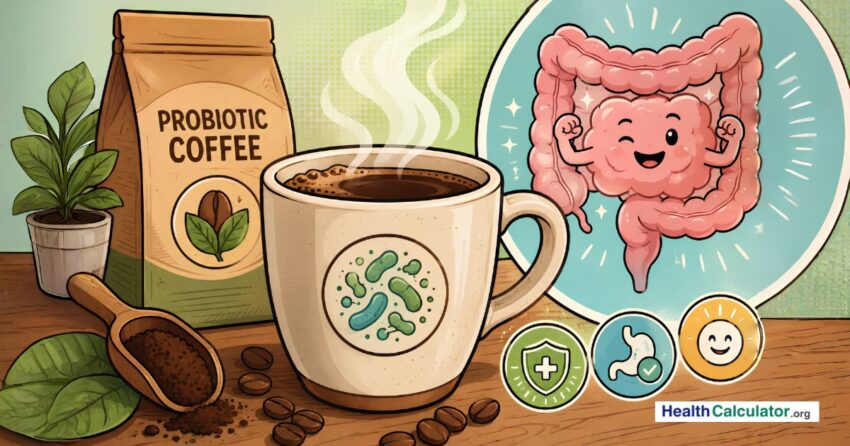
Most people drink coffee for the energy. But a growing number of people are now choosing a version that also supports gut health. It’s called probiotic coffee, and it’s becoming a real thing in the wellness space.
So what exactly is it, and is it worth your attention?
What Probiotic Coffee Actually Is
Probiotic coffee is regular coffee that has been combined with live beneficial bacteria, also known as probiotics. These are the same type of bacteria found in yogurt, kefir, and fermented foods. The goal is to give your gut a boost while you enjoy your morning cup.
It’s not a gimmick. Researchers at the National University of Singapore developed a fermented version where brewed coffee is mixed with selected nutrients and specific probiotic strains. Each serving can contain at least 1 billion live probiotic bacteria.
The concept is simple. Your gut is full of trillions of bacteria, and keeping that balance in check affects digestion, immunity, energy, and even mood. Probiotic coffee tries to support that balance through something you already consume every day.
How It’s Different from Regular Coffee
Your usual cup of coffee has no live bacteria in it. It’s just roasted beans, hot water, and caffeine. Probiotic coffee goes one step further by adding an active microbial component.
There are a few ways this is done. Some brands ferment brewed coffee with probiotic cultures before packaging. Others mix heat-resistant probiotic strains directly into ground coffee. And some make probiotic cold brew, where the cold temperature allows the bacteria to survive without being killed by heat.
The trickiest part of this whole process is heat. Most probiotic bacteria die at high brewing temperatures. That’s why manufacturers specifically use heat-tolerant, spore-forming strains like Bacillus coagulans or Bacillus subtilis. These strains can survive boiling water and still reach your intestines alive.
Regular coffee has none of this. It’s just a beverage. Probiotic coffee is considered a functional beverage, meaning it’s designed to do something specific for your health beyond just providing caffeine.
The Gut Health Connection
Coffee already has a surprisingly positive effect on your gut. A 2024 literature review found that moderate coffee consumption, meaning less than 4 cups a day, increased the abundance of beneficial bacterial species like Bifidobacterium and improved overall gut microbiota diversity. A large study published in Nature Communications in 2026 confirmed that regular coffee drinkers showed a significantly different gut microbiome composition compared to non-drinkers, with more bacteria linked to reduced inflammation.
So coffee alone is already doing something good for your gut. Probiotic coffee takes that a step further by adding live bacteria on top of the existing benefits.
The polyphenols and soluble fiber in coffee act as fuel for good gut bacteria. When you add actual probiotic strains to that, you’re giving your gut a double boost in one drink.
What the Benefits Look Like
Probiotic coffee is said to help with a range of things. Here’s what the current evidence points to.
Digestive health. The live bacteria can help improve digestion, reduce bloating, and support regular bowel movements. This is the most widely cited benefit and the most well-supported.
Immune support. A large portion of the immune system is tied to the gut. Supporting your microbiome through probiotics can have a knock-on effect on how well your body fights off pathogens.
Reduced inflammation. Some probiotic strains produce beneficial metabolites during fermentation. These compounds have shown antimicrobial and anti-inflammatory effects in early research.
Mood and focus. The gut-brain axis is real. A healthier gut microbiome has been linked to lower stress, better mood, and improved attention. A 2026 study found that coffee drinkers reported lower levels of depression and anxiety compared to non-drinkers. Adding probiotics to that may amplify the effect.
Better for sensitive stomachs. Some people find regular coffee harsh on the stomach. The probiotic version, especially cold brew, is often reported to be gentler.
Types of Probiotic Coffee
Not all probiotic coffee is made the same way. There are a few formats on the market right now.
Probiotic ground coffee comes with heat-resistant strains already mixed into the grounds. You brew it like normal coffee and the bacteria survive the process.
Ready-to-drink (RTD) probiotic coffee is pre-brewed and refrigerated. The probiotics are added after the brewing process, so there’s no heat risk.
Probiotic cold brew is made by steeping coffee in cold water for 12 to 24 hours and adding probiotic strains to the mix. Cold temperature keeps the bacteria alive without fermentation.
Fermented probiotic coffee (sometimes called koffucha) is made similarly to kombucha, where brewed coffee undergoes a controlled fermentation process with specific cultures.
Is It Worth Trying?
That depends on what you’re looking for. If you already drink coffee every day and want to get more out of it, probiotic coffee is a low-effort way to add gut support to your routine. You’re not changing much, just choosing a different version of something you already do.
But it’s not a substitute for a balanced diet or a complete probiotic supplement if you have specific gut issues. Think of it as a small, everyday addition rather than a solution.
One thing to note if you take separate probiotic supplements: don’t wash them down with hot coffee. The heat can kill the bacteria before they do anything. It’s better to wait about 30 to 60 minutes after taking a probiotic supplement before drinking coffee.
How to Make It at Home
You don’t need to buy a special product. A simple way to make your own version at home is to mix cold brew coffee with kombucha at roughly a 1:1 ratio over ice. The kombucha brings the live cultures, and the cold brew delivers the caffeine.
For a more controlled version, you can cold brew your coffee, let it reach room temperature, add a probiotic brew bag or powder with live cultures, cover with a cloth, and let it ferment for 4 to 8 hours at room temperature away from sunlight. Then bottle, refrigerate, and drink within a week.
It’s a bit of a process the first time, but once you have a routine going it’s straightforward.
A Quickly Growing Market
The probiotic coffee market is growing fast. It was valued at around $250 million in 2025 and is projected to reach $800 million by 2033, growing at 15% per year. Brands like Four Sigmatic, Gut Power Drinks, and The Tea Trove are already well established in the US and available on platforms like Amazon and Whole Foods.
This growth reflects a broader shift toward functional beverages — drinks that do more than just taste good or provide a quick energy hit.
One Thing to Keep in Mind
When you start adding probiotics to your diet in any form, your gut sometimes takes a few days to adjust. Some people experience mild bloating or gas in the beginning. That’s normal and usually passes within a few days.
For most healthy adults, probiotic coffee is safe. But if you have a compromised immune system or a serious gut condition, it’s worth checking with a doctor before making it a daily habit.
If you want to keep track of how your overall health habits are adding up, use our free calorie calculator to track your daily nutrition alongside lifestyle changes like switching to probiotic coffee. For more ways to take charge of your health, explore our free health calculators and tools built to make everyday wellness tracking simpler.
For a deeper look at the science, the research on coffee and gut microbiota published on PubMed Central covers the findings from multiple human and animal studies in detail.
Disclaimer: This article is for informational purposes only and should not be considered medical advice. Consult a healthcare professional before making significant dietary or supplement changes, especially if you have a medical condition.