health calculator
Menu
  • Home
  • Calculators
    • BMI Calculator
    • BMR Calculator
    • TDEE Calculator
    • Macro Calculator
    • Keto Calculator
    • Step Calculator for Weight Loss
    • Protein Calculator
    • Barbell Calculator
    • 1 Rep Max Calculator
    • Fitness Planner – Workout Distribution Tool
    • Workout Planner – Weekly Schedule Generator
    • Gym Workout Planner with 800+ Exercises
  • About
  • Contact us
  • How To Use
  • Blog
Menu

Category: Health & Wellness

Metabolic Patches, Do They Really Work

Metabolic Patches: What They Are, How They Work, and Whether They’re Worth It

Posted on April 16, 2026April 16, 2026 by healthcalculator.org

You’ve probably seen them on social media. A small sticky patch, worn on your arm or belly, that supposedly speeds up your metabolism and helps you lose weight. No pills. No injections. Just peel, stick, and wait.

The idea sounds appealing. But before you spend money on one, it’s worth understanding what’s actually inside these patches, how they’re supposed to work, and what the science actually says.

What Are Metabolic Patches?

Metabolic patches are adhesive skin patches that contain herbal or supplement-based ingredients. They’re marketed to boost your metabolism, suppress appetite, increase energy, or support fat burning.

They go by many names. You’ll find them listed as metabolism booster patches, slim patches, weight loss patches, or more recently, GLP-1 patches. That last term has become especially common because of the enormous buzz around weight loss drugs like Ozempic and Wegovy.

They are not prescription products. They are sold as dietary supplements, which means they don’t go through the same approval process as medications.

How Are They Supposed to Work?

The core idea behind metabolic patches is transdermal delivery. That means ingredients are absorbed through the skin and into the bloodstream, skipping the digestive system entirely.

Manufacturers say this is actually an advantage. When you swallow a supplement, it passes through your stomach and liver before it reaches your blood, which can reduce how much of it your body actually uses. A patch, the argument goes, delivers ingredients more directly and at a steadier rate throughout the day.

That logic isn’t entirely wrong. Transdermal delivery is real and it works for certain medications. Nicotine patches work this way. So do some hormone patches and pain relief patches.

The problem is that these medications use molecules specifically designed to pass through skin. Most herbal compounds used in metabolic patches are too large or too poorly soluble to cross the skin barrier in any meaningful amount.

What’s Inside Them?

Ingredients vary a lot depending on the brand. Some of the most common ones include:

Green Tea Extract – contains EGCG and caffeine, which are mildly thermogenic. Most research on these effects comes from oral supplements, not patches.

Caffeine or Guarana – stimulants that can raise heart rate and energy levels slightly.

Berberine – a plant compound that has shown some promise for blood sugar regulation and modest weight reduction in oral form. A 2022 review in Frontiers in Nutrition found berberine supplementation reduced weight and BMI in adults with cardiovascular risk, though more research is needed.

Garcinia Cambogia – widely marketed for appetite suppression, but clinical evidence for meaningful weight loss is weak.

L-Carnitine – involved in fat transport within cells. The body makes it naturally.

Chromium and B Vitamins – support energy metabolism but are already present in most diets.

Green Coffee Bean Extract – linked to modest fat reduction in small studies, though none involving patches specifically.

Some brands now label their products as “GLP-1 patches” to ride the wave of interest in drugs like semaglutide. But these patches don’t contain any GLP-1 medication. They contain herbs. Real GLP-1 drugs require a prescription and can cost hundreds of dollars per month.

Do Metabolic Patches Actually Work?

This is the honest answer: not in any clinically proven way.

No metabolic or weight loss patch is currently FDA-approved. Under U.S. law, dietary supplement companies are not required to prove their products work before selling them.

A 2024 animal study found that certain patch delivery methods may help reduce body weight, but human studies are essentially nonexistent in this space. One area showing early promise is microneedle patches, which use tiny dissolvable needles to push compounds beneath the skin. NIH-published research from 2025 showed microneedle patches may support fat reduction by promoting metabolic changes in fat tissue, but this is still early-stage research, primarily in animal models.

As for GLP-1 patches specifically, the science is clear. GLP-1 peptide molecules are too large to pass through skin. Even if a patch somehow contained real semaglutide, it would not be absorbed through the skin the way it needs to be.

Doctors at major institutions have confirmed there is no scientific evidence showing that over-the-counter weight loss patches lead to meaningful weight loss.

That doesn’t mean every ingredient in every patch is useless. Some ingredients like berberine and green tea do have research behind them in oral form. The real question is whether those same ingredients can be delivered effectively through skin. And for most of them, the answer is no.

Are There Any Real Benefits?

There are a few practical reasons people find patches convenient.

They’re easy to use. No swallowing pills, no preparation, no scheduled doses throughout the day. You apply it once and forget about it.

They may cause fewer digestive side effects compared to oral supplements, since nothing is passing through your stomach.

And for people who genuinely struggle to maintain a supplement routine, a once-a-day patch could be easier to stick with.

But convenience is not the same as effectiveness. If the ingredients aren’t being absorbed in useful amounts, the convenience doesn’t matter much.

Side Effects and Safety

Just because a product is “natural” doesn’t mean it’s risk-free.

Skin irritation is the most common complaint. Redness, itching, or rash at the application site can happen, especially with prolonged use or sensitive skin.

Caffeine-based patches can cause jitteriness, elevated heart rate, or trouble sleeping if overused.

Berberine can interact with diabetes medications by lowering blood sugar further than intended. Anyone on medication should check with a doctor before using it in any form.

These patches are not recommended for pregnant or breastfeeding women. And as with any supplement, the lack of FDA oversight means you can’t always be sure what’s actually in the product or in what amounts.

How to Use Them Correctly

If you decide to try a metabolic patch, here’s how to apply it properly.

Clean the area with soap and water and let it dry fully before applying. Don’t put lotion or oil on the skin first. Apply to a hairless area such as the upper arm, inner wrist, abdomen, or upper back. Press it down firmly for about 15 seconds. Most patches are designed to be worn for 8 to 12 hours. Rotate application spots each day to avoid irritating the same patch of skin.

Never apply to broken, sunburned, or irritated skin.

What About Metabolic Tracker Patches?

There’s a separate and genuinely more promising category of “metabolic patches” worth knowing about. These are wearable biosensor patches that monitor real-time metabolic data like blood glucose, heart rate, and lactate levels.

These are not supplement patches. They don’t deliver any ingredients. They track what’s happening in your body. Continuous glucose monitors (CGMs) work on a similar principle and are already FDA-cleared for managing diabetes.

This category is growing fast and is often confused with supplement patches in search results. If you’re researching metabolic health monitoring, these are worth looking into separately.

The Honest Takeaway

Metabolic patches are a real product in a growing market. Some ingredients inside them have genuine research behind them. The delivery method, however, is the weak link. For most herbal compounds used in these patches, skin absorption is either unproven or insufficient to produce a meaningful effect.

If you’re focused on improving your metabolism and managing weight, the foundational things still matter more than any patch. Eating at an appropriate calorie level for your body, staying active, sleeping well, and managing stress are what consistently move the needle.

A patch worn on your arm won’t undo a calorie surplus or replace physical activity.

If you’re curious about where your metabolism actually stands, tools like a TDEE calculator or BMI calculator give you a real number to work with rather than a guess. Understanding your total daily energy expenditure is a more practical starting point than any supplement.

a woman standing in the oregano farm and holding a bottle of oil of wild oregano

Oil of Wild Oregano: Benefits, Uses, and What Science Says

Posted on February 10, 2026February 10, 2026 by healthcalculator.org

Oil of wild oregano has gained attention as a natural remedy with powerful antimicrobial properties. But what makes this concentrated extract different from the oregano in your spice rack? And does it live up to its reputation?

This guide breaks down everything you need to know about oil of wild oregano, from its active compounds to practical uses and safety considerations.

What Is Oil of Wild Oregano?

Oil of wild oregano is a concentrated essential oil extracted from the leaves and flowering shoots of oregano plants. The most common species used are Origanum vulgare and Origanum minutiflorum, both native to Mediterranean regions.

The extraction happens through steam distillation. Fresh or dried oregano plants are heated until they release their essential oils, which are then collected and bottled. The result is a potent oil that contains far higher concentrations of active compounds than the culinary herb you cook with.
​
This distinction matters. Cooking oregano adds flavor to your food. Oil of wild oregano is a therapeutic product used for health purposes.

The Science Behind Its Power

The therapeutic effects of oil of wild oregano come from two main compounds.
​
Carvacrol makes up the largest portion, sometimes reaching 80% of the oil’s composition. Research shows that carvacrol disrupts bacterial cell membranes and interferes with their ability to produce energy. A 2025 study found that carvacrol works by targeting FtsZ, a protein essential for bacterial cell division. When carvacrol binds to this protein, it prevents bacteria from multiplying.

Thymol is the second major component. It works alongside carvacrol to enhance antimicrobial effects.
​
The oil contains other beneficial compounds like terpinene, terpineol, and flavonoids, but carvacrol is the star player. When you’re shopping for oil of wild oregano, the carvacrol percentage tells you how potent the product is.

Ancient Roots, Modern Research

People have used oregano medicinally for thousands of years. Ancient Greeks wove oregano into wedding crowns, believing it brought joy and protection. Hippocrates prescribed it for digestive problems and wound care. Roman soldiers carried oregano oil during military campaigns to preserve food and treat injuries.

Aristotle reportedly recommended oregano for snakebites after observing tortoises eating oregano leaves immediately after consuming snakes.
​
Today, modern science is catching up to what ancient healers seemed to know intuitively. Research institutions including the National Institutes of Health are actively studying oregano’s effects.

What the Research Shows

Oil of wild oregano has been studied extensively for its antimicrobial properties.

A 2018 study tested oregano oil against multidrug-resistant bacteria from combat casualties. The oil showed significant activity against 11 different strains, including MRSA (methicillin-resistant Staphylococcus aureus), Pseudomonas aeruginosa, and Acinetobacter baumannii. When researchers applied the oil to burn wounds in mice, bacterial counts dropped by 25 to 49 times compared to untreated wounds.
​
The antioxidant capacity of oil of wild oregano surpasses green tea, lemon, and Echinacea. Antioxidants protect your cells from damage caused by free radicals, unstable molecules that contribute to aging and disease.

Studies indicate anti-inflammatory effects as well. The compounds in oregano oil may help reduce inflammation associated with arthritis, respiratory conditions, and digestive disorders.

Research on antifungal activity shows promise against Candida yeast and common fungal infections.

Practical Applications

People use oil of wild oregano in several ways.

Internal Use

Taking the oil internally may support immune function during cold and flu season. Some people use it for digestive issues like bloating, gas, and occasional indigestion.
​
The oil must be diluted before swallowing. Mix 1 to 2 drops in a teaspoon of carrier oil like olive oil. Never take undiluted oil internally because it can burn your mouth and throat.
​
​Capsules offer a more convenient option. They come pre-diluted and eliminate the strong taste.

Topical Applications

For skin concerns, oil of wild oregano may help with acne, minor cuts, athlete’s foot, and nail fungus. The antimicrobial properties work against surface bacteria and fungi.
​
Dilution is critical for topical use too. Mix 1 to 2 drops of oregano oil with a teaspoon of carrier oil such as jojoba, coconut, or olive oil. Applying undiluted oil directly to skin causes chemical burns.
​
​Test a small area first. Put a tiny amount of diluted oil on your inner forearm and wait 24 hours to check for reactions.

Respiratory Support

Steam inhalation can help with coughs and congestion. Add a few drops of oregano oil to a bowl of hot water, lean over it with a towel draped over your head, and breathe in the steam. Keep your eyes closed to avoid irritation.

Understanding Dosage

There’s no universally agreed-upon dosage for oil of wild oregano. Recommendations vary based on the concentration of the product and what you’re using it for.
​
Typical guidance for oral use suggests 1 to 2 drops diluted in carrier oil, taken up to twice daily. Some protocols recommend using it for just a few days per week rather than continuously.
​
Capsules usually contain 150 to 200 mg of oregano oil. Follow the instructions on your specific product.

More is not better with this oil. High doses can cause stomach upset and other side effects.

Safety Considerations

Oil of wild oregano is generally safe when used properly, but there are important precautions.

The most common side effects include stomach discomfort, heartburn, nausea, and headaches. These typically occur with oral use and often improve if you reduce the dose or take the oil with food.
​
Skin reactions can happen if you apply the oil topically. Redness, irritation, and rashes indicate the oil is too strong or you’re sensitive to it. Always dilute properly.
​
Pregnant women should avoid oil of wild oregano entirely. The oil has properties that can induce miscarriage. Women who are breastfeeding should also skip it, as safety data is lacking.
​
​The oil may interact with medications. If you take blood thinners, diabetes medications, or lithium, talk to your doctor before using oregano oil. It can affect how your body processes certain drugs.
​
Some people experience diuretic effects, meaning they urinate more frequently. This isn’t dangerous but can be inconvenient.
​
Children should not use oil of wild oregano without guidance from a healthcare provider.
​
Long-term daily use isn’t recommended. Taking breaks helps prevent potential negative effects and maintains effectiveness.

Choosing a Quality Product

Not all oregano oils are created equal. Here’s what to look for.

Check the carvacrol content. Quality oils contain 70% to 85% carvacrol. The label should state this percentage.
​
Make sure you’re buying the right type. Essential oil labeled “for aromatherapy” is too concentrated for internal use. Look for products specifically marketed as dietary supplements if you plan to take it orally.

Wild-harvested oregano from Mediterranean regions is generally considered superior to cultivated varieties. The growing conditions affect the oil’s chemical composition.
​
Organic certification indicates the plants weren’t treated with pesticides. Third-party testing for purity and potency adds another layer of quality assurance.

Store your oil properly. Keep it in a dark glass bottle away from heat and light. This preserves the active compounds and extends shelf life.

What Oil of Wild Oregano Can’t Do

Expectations matter. Oil of wild oregano is not a cure-all despite enthusiastic marketing claims.

The FDA has not approved oregano oil for treating, curing, or preventing any disease. Research shows promising antimicrobial activity, but most studies have been done in laboratories or on animals, not in large-scale human trials.
​
Topical applications only work on surface-level conditions. The oil cannot penetrate deeply into tissues or reach internal infections through skin application alone.

Serious infections require medical treatment. Oil of wild oregano should not replace antibiotics prescribed by a doctor. Using it instead of proven treatments for conditions like strep throat, urinary tract infections, or pneumonia is dangerous.

If you have a chronic health condition or take prescription medications, consult your healthcare provider before adding any supplement to your routine.

Integrating It Into Your Wellness Routine

Oil of wild oregano can be one tool in a broader approach to health. It works best when combined with other healthy habits.

Getting adequate sleep, managing stress, eating nutritious foods, and staying physically active all support immune function and overall wellbeing. A fitness planner can help you establish consistent exercise habits that complement your health goals.

Think of oregano oil as a supplement to good practices, not a replacement for them.

Start with small amounts if you decide to try it. Pay attention to how your body responds. Some people tolerate it well. Others find it causes stomach upset even when properly diluted.

Use it strategically rather than continuously. Many people keep it on hand for specific situations like the onset of a cold or a stubborn skin issue, rather than taking it daily year-round.

The Bottom Line

Oil of wild oregano is a concentrated extract with documented antimicrobial, antioxidant, and anti-inflammatory properties. Research supports its traditional uses, particularly for fighting bacteria and fungi.

The key to using it safely lies in proper dilution, appropriate dosing, and understanding when it’s helpful versus when professional medical care is needed.

It offers potential benefits for immune support, minor skin conditions, and digestive comfort. But it comes with precautions, especially regarding pregnancy, drug interactions, and the risk of irritation from undiluted application.

Quality matters when choosing a product. Look for high carvacrol content, appropriate labeling for your intended use, and reputable manufacturing.

Oil of wild oregano isn’t a miracle cure. It’s a natural product with real therapeutic properties backed by growing scientific evidence. Used wisely, it can be a valuable addition to your natural health toolkit.

new food pyramid

New Food Pyramid: Complete Guide to America’s Updated Diet

Posted on January 28, 2026January 28, 2026 by healthcalculator.org

The US government changed its nutrition advice dramatically. Officials unveiled the new food pyramid that replaces MyPlate and reverses decades of dietary guidance.

This isn’t a small tweak. The new diet pyramid puts protein and healthy fats at the top while pushing grains to the bottom. It tells you to eat full-fat dairy instead of low-fat versions. It features a ribeye steak and a stick of butter as healthy foods.
​
But this change has sparked major debate. Some nutrition experts call it a step forward. Others say it contradicts science and could harm public health.
​
Here’s what you need to know about the new food triangle and how it changes the way Americans are supposed to eat.

Why the Food Pyramid Changed

The original food pyramid launched in 1992 with grains at the base. It told people to eat 6 to 11 servings of bread, cereal, rice, and pasta every day. Fats were at the tiny top, labeled as foods to use “sparingly”.
​
That version got replaced by MyPyramid in 2005, then MyPlate in 2011. MyPlate showed a divided plate with vegetables, fruits, grains, and protein, plus a small dairy circle on the side.

The 2026 version throws out that model completely. The government says Americans need to “eat real food” and stop consuming ultra-processed products. The new pyramid shifts focus to protein, healthy fats, and eliminating added sugars.

The official stance is that this change will reduce chronic diseases like obesity, diabetes, and fatty liver disease. But critics point out that established procedures for writing dietary guidelines were bypassed, including public consultation.

What the New Food Pyramid Looks Like

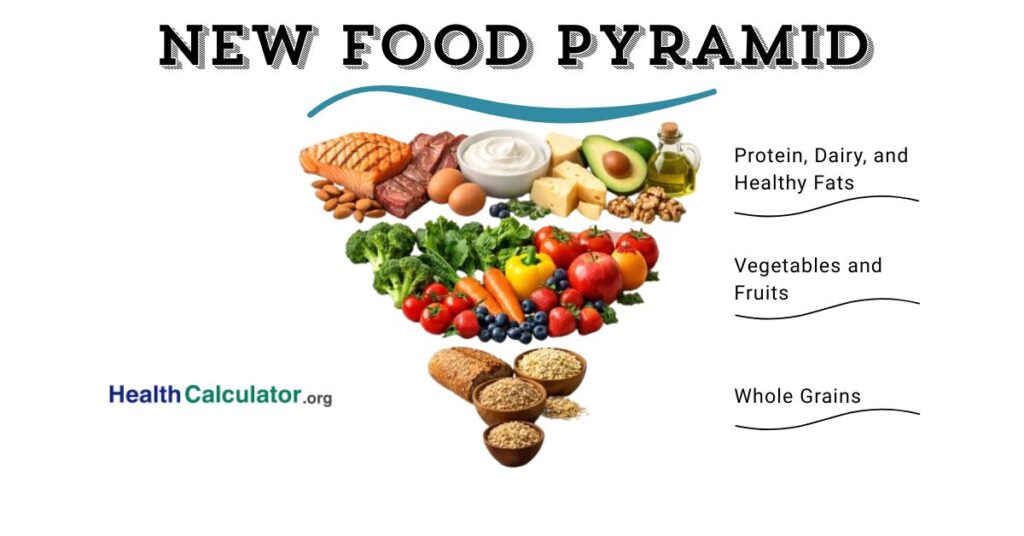
The new diet pyramid is literally upside down. What used to sit at the narrow top now dominates the wide top section.

new food triangle

Top Tier: Protein, Dairy, and Healthy Fats

This is the biggest section. The guidelines say to prioritize protein at every meal. You’re supposed to eat 1.2 to 1.6 grams of protein per kilogram of body weight each day.

That’s a huge jump from the old recommendation of 0.8 grams per kilogram.
​
For someone who weighs 70 kilograms (154 pounds), that means eating 84 to 112 grams of protein daily. For an 80-kilogram person (176 pounds), the target becomes 96 to 128 grams.

The pyramid shows eggs, seafood, meats, full-fat dairy, nuts, seeds, olives, and avocados at the top. A ribeye steak appears prominently in the graphic, positioned right next to turkey.

Full-fat dairy gets special emphasis. The guidelines specifically say to consume full-fat dairy with no added sugars. This reverses decades of advice to choose low-fat or skim milk products.
​
The “healthy fats” category includes butter and beef tallow alongside salmon, vegetable oil, and walnuts. These animal fats were previously considered unhealthy, but now they’re listed as cooking options.

Middle Tier: Vegetables and Fruits

The new pyramid puts vegetables and fruits in the middle section. The guidelines recommend eating them throughout the day, focusing on whole produce.

Specific targets are three servings of vegetables and two servings of fruit per day. But unlike protein, the guidelines don’t define exact serving sizes for produce.

The emphasis is on variety and eating whole fruits instead of drinking juice. The previous MyPlate model gave vegetables and fruits more prominence, dedicating half the plate to them.

Bottom Tier: Whole Grains

Grains now occupy the smallest space at the bottom. The new diet pyramid recommends two to four servings of whole grains daily, adjusted based on your caloric needs.

The guidelines stress choosing whole grains over refined carbohydrates. White bread, white rice, and regular pasta are discouraged.

This is a dramatic reduction from the 1992 pyramid, which made grains the foundation with 6 to 11 daily servings.

Foods to Avoid

The new food pyramid takes a hard stance against certain foods.

Ultra-processed foods are the main target. These include packaged meals with artificial flavors, preservatives, or long ingredient lists.

Sugar-sweetened beverages like soda and fruit juice drinks are out. Added sugars in any form should be eliminated or severely limited.

Refined carbohydrates including white bread, regular pasta, pastries, and most breakfast cereals don’t fit the guidelines.

The approach focuses on eating foods with one ingredient. An egg is just an egg. A chicken breast is just chicken. Butter is just cream.

The Protein Controversy

The protein recommendations have created the most discussion. Eating 1.2 to 1.6 grams per kilogram of body weight is 1.5 to 2 times the previous guideline.
​
The new pyramid emphasizes animal-derived protein sources. Previous versions encouraged a more plant-forward approach.
​
For someone weighing 150 pounds (68 kg), the target is roughly 82 to 109 grams of protein daily. That might look like three eggs at breakfast (18g), a chicken breast at lunch (30g), a cup of Greek yogurt as a snack (20g), and a salmon fillet at dinner (40g).

This level of protein intake is supported by some research showing benefits for muscle maintenance, metabolism, and satiety. But it requires planning and often costs more than carbohydrate-heavy diets.

You can calculate your exact protein needs using a protein calculator based on your weight and activity level.

The Saturated Fat Paradox

The new guidelines contain a confusing contradiction about saturated fat.

The document states that saturated fats should be no more than 10% of total daily calories. This is the same limit from previous guidelines.

But the same document encourages eating full-fat dairy, red meat, butter, and beef tallow. These foods are high in saturated fat.

The visual pyramid features a ribeye steak and a stick of butter prominently displayed. Officials reportedly debated details like “how big the ribeye should be” until the last minute.
​
Donald Layman, who served on the committee behind the guidelines, said the 10% saturated fat cap “has got to go”. He explained it’s “simply there because all the medical people want to see it” and “they’re not ready to swallow that bullet yet”.
​
This mixed message reflects an attempt to compromise with health advocacy groups and medical societies that have long supported limiting saturated fat.
​
Nutrition scientist Christopher Gardner, who served on the 2025 dietary guidelines advisory committee, pointed out that swapping butter and beef tallow for vegetable oils benefits LDL cholesterol. He noted this has been established science for 75 years.

What Nutrition Experts Are Saying

The new food pyramid has divided the nutrition community.

Some experts support the focus on whole foods and the war against ultra-processed products. The emphasis on adequate protein intake also gets approval from those who believe previous recommendations were too low.

But many nutrition scientists have raised serious concerns. They argue that the new pyramid contradicts established research linking red meat and saturated fat to heart disease.

Critics also point out that the guidelines were developed without following standard procedures, including public consultation. This departure from normal practice has raised questions about the scientific basis for the changes.
​
Environmental concerns are another issue. High consumption of red meat and full-fat dairy has significant climate impacts compared to plant-based proteins and lower-fat options.

Harvard’s Nutrition Source noted both progress and problems in the 2025-2030 guidelines, highlighting that while some changes move in a positive direction, others raise scientific questions.

Sample Meal Ideas Following the New Pyramid

Here’s what eating according to the new diet pyramid might look like.

Breakfast: Three scrambled eggs cooked in butter, half an avocado, a small bowl of berries, and a slice of whole-grain toast.

Lunch: Grilled chicken breast over mixed greens with olive oil dressing, cherry tomatoes, cucumber, and a small serving of quinoa. Full-fat plain yogurt on the side.

Snack: A handful of almonds and an apple.

Dinner: Baked salmon with roasted broccoli and cauliflower cooked in olive oil, a side salad, and a small portion of brown rice.

This sample day prioritizes protein at each meal, includes healthy fats from whole food sources, loads up on vegetables and fruits, and limits grain servings to two to three.

The pattern differs significantly from typical American eating, which often features large servings of pasta, bread, or rice with smaller amounts of protein and vegetables.

Making the Transition

Switching to the new food pyramid requires changes for most people.

Start by calculating your protein target. Multiply your weight in kilograms by 1.2 to get your minimum daily grams. (To convert pounds to kilograms, divide your weight by 2.2.)

Build meals around protein sources first. Choose eggs, fish, chicken, beef, Greek yogurt, cottage cheese, or plant proteins like lentils and beans.

Add vegetables to every meal. Aim for variety in colors since different vegetables provide different nutrients.

Switch to full-fat dairy if you currently use low-fat versions. Choose plain options without added sugars.

Replace refined grains with whole grain alternatives. Brown rice instead of white rice. Whole wheat bread instead of white bread. But keep portions smaller than you might be used to.

Cook with real fats like butter, olive oil, or avocado oil instead of highly processed seed oils or margarine.

You can track your macronutrient intake and energy needs using a TDEE calculator to understand how these changes affect your overall diet composition.

Who Should Follow This Pyramid

The new guidelines are designed for the general American population. But individual needs vary significantly.

Athletes and very active people may need even more protein than the 1.2 to 1.6 grams per kilogram recommendation. Those doing strength training often aim for 1.6 to 2.2 grams per kilogram.

Older adults may benefit from the higher protein targets since muscle loss accelerates with age. Adequate protein helps maintain strength and functional ability.

People with certain medical conditions should consult healthcare providers before making major dietary changes. Those with kidney disease need to be careful with protein intake. People with high cholesterol may want to limit saturated fat despite the new guidance.

Vegetarians and vegans can follow the pyramid’s principles by emphasizing plant proteins like beans, lentils, tofu, and tempeh. But meeting the protein targets requires planning.

Understanding your individual calorie needs and body composition goals can help determine if this approach fits your situation. A BMI calculator provides a starting point for assessing your current health status.

The Bottom Line

The new food pyramid represents a major shift in US nutrition policy. It prioritizes protein and healthy fats while reducing emphasis on grains. It takes a strong stance against ultra-processed foods and added sugars.

Some changes align with emerging nutrition science. The focus on whole foods makes sense. Higher protein intake has research support for many people. Eliminating ultra-processed products addresses a real problem in the American diet.

But contradictions about saturated fat and concerns about the development process have sparked legitimate debate. The emphasis on red meat and full-fat dairy goes against decades of cardiovascular research that many scientists still support.

Whether this new diet triangle improves American health will become clearer over time. For now, the most widely accepted principles remain eating plenty of vegetables and fruits, choosing whole foods over processed ones, and finding an eating pattern you can sustain long term.

The Harvard Healthy Eating Plate, developed by nutrition experts at Harvard School of Public Health, offers an alternative evidence-based approach that balances different views in the nutrition community.

What matters most is finding an eating pattern that provides adequate nutrition, supports your health goals, and fits your life. The new food pyramid offers one framework, but it’s not the only way to eat well.

Mullein Tea

Mullein Tea Benefits: How This Herbal Remedy Supports Lung Health

Posted on January 20, 2026January 20, 2026 by healthcalculator.org

Mullein tea has been gaining attention as a natural remedy for respiratory health. If you’ve been hearing about this herb lately, you’re not alone. Search interest has jumped significantly in 2026, and new herbal products featuring mullein keep appearing on shelves.

But what makes mullein tea special? And does the science actually support the health claims?

This guide covers everything you need to know about mullein, from its traditional uses to modern research findings.

What Is Mullein?

Mullein comes from a plant called Verbascum thapsus. It grows wild across North America, Europe, and Asia. The plant is easy to spot with its tall stalks (sometimes reaching 7 feet), soft fuzzy leaves, and bright yellow flowers.

People have used mullein for over 2,000 years in traditional medicine. Ancient Greeks used it for lung problems. Native Americans made tea from the leaves to treat respiratory issues. European herbalists prescribed it for coughs and congestion.

The leaves are the most commonly used part of the plant. When dried and steeped in hot water, they create mullein tea. You can also find mullein in capsules, tinctures, and extracts.

Why Mullein Is Trending Now

Several factors explain why mullein has become so popular recently.

First, people are increasingly interested in natural health remedies. The shift away from synthetic medications has created demand for herbal alternatives. Mullein fits perfectly into this trend.

Second, respiratory health became a major focus for many people in recent years. More individuals are looking for ways to support their lungs naturally. Mullein has a long history of use for exactly this purpose.

Third, the herbal supplement market has expanded. New companies are launching products that feature mullein as a key ingredient. Social media posts highlighting its benefits have also spread awareness.

Social media posts highlighting its benefits have also spread awareness. Recent posts show people sharing their experiences with mullein for lung health.

View this post on Instagram

Main Health Benefits of Mullein Tea

Respiratory Support

Mullein tea is best known for helping with breathing and lung function. The herb works in two main ways.

It acts as an expectorant. This means it helps loosen mucus in your airways. When mucus becomes less thick, it’s easier to cough up and clear out. This can bring relief if you’re dealing with congestion.

Mullein also contains mucilage. This is a gel-like substance that coats and soothes irritated tissues in your throat and lungs. Think of it as a protective layer that calms inflammation.

Studies have found that mullein may help with several respiratory conditions. These include bronchitis, asthma, coughs, and general congestion. Some people use it during cold and flu season as a preventive measure.

Anti-Inflammatory Effects

Inflammation in the respiratory tract makes breathing difficult. Mullein contains compounds that may reduce this inflammation.

The flavonoids in mullein (like quercetin and kaempferol) have anti-inflammatory properties. These compounds help calm swollen tissues throughout the body, not just in the lungs.

If you’re managing a condition that involves chronic inflammation, mullein tea might offer some support. But it shouldn’t replace medical treatment for serious inflammatory conditions.

Antimicrobial Properties

Research shows that mullein has antibacterial and antiviral effects. Laboratory studies found that mullein extracts can fight several types of harmful bacteria. These include pneumonia bacteria, staph infections, and E. coli.

Some research also suggests mullein may slow down influenza viruses. The herb contains compounds that interfere with viral replication.

This antimicrobial activity is one reason people reach for mullein tea when they feel a cold coming on. It may help your body fight off infections more effectively.

Digestive Health

While mullein is famous for lung support, it may also benefit your digestive system.

The mucilage that soothes your respiratory tract can do the same for your stomach and intestines. It may help calm irritation in the digestive lining.

Some people use mullein tea for mild digestive complaints like bloating or occasional constipation. The herb has gentle laxative properties that can support regular bowel movements.

Skin and Wound Healing

Mullein contains antioxidants that protect cells from damage. These same compounds may support skin health.

Traditionally, people applied mullein oil or poultices to wounds, burns, and skin conditions like eczema. The anti-inflammatory and antimicrobial properties could explain why this worked.

While you’re more likely to drink mullein as tea, some people still use it topically for skin issues.

Active Compounds in Mullein

Understanding what’s in mullein helps explain how it works.

Mucilage creates that soothing, coating effect. When you drink mullein tea, this substance covers irritated tissues in your throat and respiratory tract.

Saponins are responsible for the expectorant action. They help break down thick mucus so your body can expel it more easily.

Flavonoids like quercetin, kaempferol, and luteolin provide antioxidant and anti-inflammatory benefits. These compounds protect your cells and reduce swelling.

Iridoids and phenolic compounds contribute to mullein’s antimicrobial effects. They help fight bacteria and viruses.

Together, these compounds create mullein’s overall health effects.

What Does the Research Say?

Most traditional uses of mullein have some scientific backing, but we need more human studies.

Laboratory research confirms that mullein has anti-inflammatory, antimicrobial, and antioxidant properties. Animal studies show promise for respiratory support.

The challenge is that few large-scale human clinical trials exist. Most evidence comes from traditional use, smaller studies, and laboratory research.

This doesn’t mean mullein doesn’t work. It means the scientific community hasn’t fully studied it yet with rigorous clinical trials. Many traditional remedies eventually gain research support as scientists investigate them further.

Medical professionals generally recognize mullein as safe for most people when used appropriately. But they also recommend consulting with a doctor before using it for specific health conditions.

How to Use Mullein Tea

Making mullein tea is straightforward.

Use 1-2 teaspoons of dried mullein leaves per cup of water. Bring water to a boil, then pour it over the leaves. Let it steep for 10-15 minutes. Strain the tea carefully through a fine mesh strainer or cheesecloth.

The straining step is important. Mullein leaves have tiny hairs that can irritate your throat if you don’t filter them out properly.

You can drink mullein tea 2-3 times per day. Some people add honey or lemon to improve the taste.

For respiratory issues, many people drink mullein tea when symptoms appear. Others use it preventively during winter months when colds are common.

Mullein is also available in other forms. Capsules offer a convenient option if you don’t like tea. Tinctures provide a concentrated liquid extract. These forms may have different dosing instructions, so follow the product label.

If you prefer a visual guide, this video walks through the entire process from harvesting to brewing.

Timing and Lifestyle Integration

Mullein tea works well as part of a broader wellness approach.

If you’re focused on overall health, consider how mullein fits with other healthy habits. Maintaining a balanced diet supports your immune system. Regular exercise improves lung capacity and respiratory function. Getting enough sleep helps your body fight infections.

For those tracking their fitness and health metrics, tools like a BMR calculator can help you understand your baseline metabolic rate. This gives you insight into how your body uses energy, which connects to overall wellness.

Staying active also supports respiratory health. If you’re working on fitness goals, a workout planner can help you create a routine that improves lung capacity through cardiovascular exercise.

Mullein tea complements these efforts. It’s not a replacement for healthy lifestyle choices, but rather an addition to them.

Safety and Side Effects

Mullein is generally safe for most adults when used properly.

Some people may experience mild side effects like stomach upset or skin irritation (if applied topically). These effects are uncommon.

Pregnant or breastfeeding women should talk to a healthcare provider before using mullein. There isn’t enough research to confirm safety during pregnancy.

If you take prescription medications, check with your doctor or pharmacist. Mullein might interact with certain drugs, though significant interactions are rare.

People with allergies to plants in the Scrophulariaceae family should avoid mullein.

Always buy mullein from reputable sources. Quality matters with herbal products. Look for organic products when possible to avoid pesticide residues.

Who Might Benefit Most

Mullein tea may be particularly helpful for certain groups.

If you deal with seasonal respiratory issues like allergies or frequent colds, mullein could offer support during those times.

People with chronic respiratory conditions like asthma or bronchitis sometimes use mullein as a complementary approach. Remember that it shouldn’t replace prescribed medications without medical guidance.

Smokers or former smokers looking to support lung health might find mullein beneficial. The expectorant properties help clear accumulated mucus.

Anyone interested in natural wellness options may want to try mullein tea as part of their routine.

Realistic Expectations

Mullein isn’t a miracle cure. Set reasonable expectations about what it can do.

For mild respiratory symptoms like a light cough or minor congestion, mullein tea may bring noticeable relief. You might feel your airways open up and mucus become easier to clear.

For more serious conditions, mullein works best alongside conventional treatment. It can complement medical care but shouldn’t be your only intervention.

Some people notice benefits quickly. Others need to use mullein regularly for a week or two before seeing results. Individual responses vary.

If your symptoms worsen or don’t improve after a reasonable time, see a healthcare provider. Persistent coughs, difficulty breathing, or chest pain need medical evaluation.

Mullein in the Bigger Picture

The growing interest in mullein reflects a broader shift in how people think about health.

More individuals want to take an active role in their wellness. They’re looking beyond pharmaceutical options to include traditional remedies that cultures have used for centuries.

This doesn’t mean rejecting modern medicine. The best approach often combines conventional care with evidence-based natural remedies.

Mullein tea represents this balanced approach. It has traditional use, some scientific support, and a good safety profile. These factors make it worth considering for respiratory and general wellness support.

Final Thoughts

Mullein tea offers a time-tested natural option for supporting respiratory health. The herb contains compounds that help loosen mucus, soothe irritated airways, and fight infections.

While more human research would strengthen the evidence, existing studies and centuries of traditional use suggest mullein is worth trying. It’s safe for most people and offers multiple potential benefits beyond just lung support.

If you’re dealing with respiratory issues or want to support your overall wellness naturally, mullein tea is an accessible option. Just remember to use it as part of a comprehensive health approach that includes good nutrition, regular exercise, and appropriate medical care when needed.

The current surge in mullein’s popularity makes sense. People are rediscovering an herb that has helped countless individuals throughout history. Whether you’re looking for cold season support or general wellness, mullein tea deserves consideration.


Disclaimer: This article is for informational purposes only and does not constitute medical advice. Consult with a qualified healthcare professional before using mullein tea or any herbal remedy, especially if you have existing health conditions, are pregnant or breastfeeding, or take prescription medications.

Healthy Thanksgiving Dinner

Healthy Thanksgiving Dinner: 15 Recipes with Calorie Counts

Posted on November 24, 2025November 24, 2025 by healthcalculator.org

The average Thanksgiving meal contains 3,000 calories and 229 grams of fat. That’s more than most people need in an entire day. According to the American Council on Exercise, a 160-pound person would need to run for four hours straight to burn off a traditional holiday dinner.

But you don’t have to choose between enjoying Thanksgiving and staying healthy. You can cut hundreds of calories from your holiday meal without sacrificing flavor or tradition. These 15 healthy Thanksgiving dishes prove it.

Traditional vs Healthy Holiday Meal Comparison

Here’s what a typical Thanksgiving plate looks like compared to healthier versions:

DishTraditional CaloriesHealthy Version CaloriesCalories Saved
Turkey (8 oz with skin)480190 (no skin)290
Mashed Potatoes (1 cup)23814098
Stuffing (1 cup)363200163
Gravy (1/2 cup)17850128
Green Bean Casserole (1 cup)1439053
Sweet Potato Casserole (1 cup)27618096
Cranberry Sauce (1/2 cup)209100109
Pumpkin Pie (1 slice)323210113
Total2,2101,1601,050

You can save over 1,000 calories just by making smarter choices. The Calorie Control Council tracks nutritional data for popular holiday dishes and confirms these traditional meal totals.

Planning Your Healthy Thanksgiving Menu

Start by calculating how many calories you actually need. Use our TDEE Calculator to find your daily calorie target based on your age, weight, and activity level. Then use the Macro Calculator to determine how much protein, carbs, and fat you should eat.

Most adults need between 1,600 and 2,400 calories per day. If your Thanksgiving meal alone contains 3,000 calories, you’ve already exceeded your needs by 50% or more.​

The recipes below give you complete nutritional information so you can plan ahead. Each includes calories, protein, carbs, and fat per serving.

Healthy Thanksgiving Main Dish

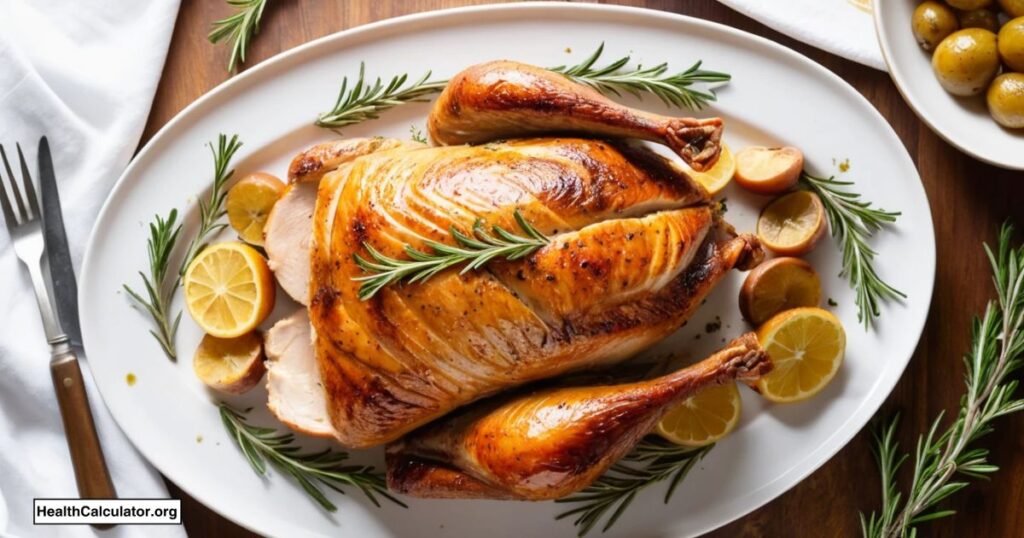
1. Herb Roasted Turkey Breast

Herb Roasted Turkey Breast

Turkey is naturally lean protein when you skip the skin. Dark meat contains more fat, so focus on white meat for the lowest calories.​

Ingredients:

  • 1 (6-pound) bone-in turkey breast
  • 2 tablespoons olive oil
  • 2 tablespoons fresh rosemary, chopped
  • 2 tablespoons fresh thyme, chopped
  • 1 tablespoon fresh sage, chopped
  • 4 cloves garlic, minced
  • 1 teaspoon sea salt
  • 1/2 teaspoon black pepper
  • 1 lemon, zested
  • 1 cup low-sodium chicken broth

Instructions:

  1. Preheat oven to 350°F.
  2. Mix olive oil, herbs, garlic, salt, pepper, and lemon zest in a small bowl.
  3. Pat turkey breast dry with paper towels. Rub herb mixture all over turkey, including under the skin.
  4. Place turkey in a roasting pan. Pour chicken broth into the bottom of the pan.
  5. Roast for 1.5 to 2 hours, or until internal temperature reaches 165°F. Baste every 30 minutes with pan juices.
  6. Let rest 15 minutes before carving. Remove skin before serving.

Nutrition per 4 oz serving: 190 calories, 35g protein, 0g carbs, 6g fat​

Compare this to turkey with skin at 480 calories for 8 ounces. Removing the skin saves about 30 calories per serving.​

Healthy Thanksgiving Side Dishes

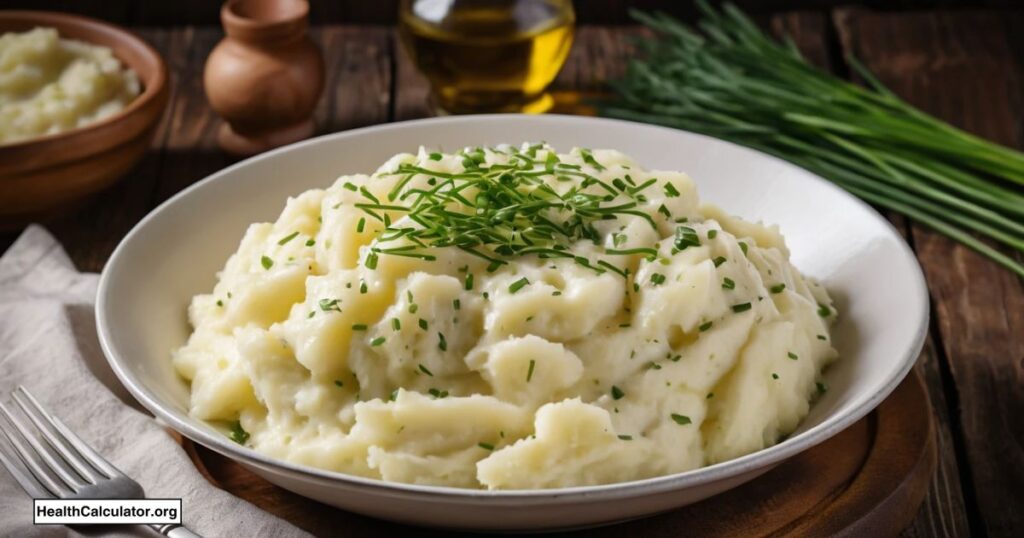
2. Olive Oil Mashed Potatoes

Olive Oil Mashed Potatoes

Traditional mashed potatoes get their creaminess from butter and heavy cream. This version uses olive oil and chicken broth instead, cutting calories in half.​

Ingredients:

  • 3 pounds Yukon gold potatoes, peeled and quartered
  • 1/4 cup extra virgin olive oil
  • 1/2 cup low-sodium chicken broth, warmed
  • 4 cloves roasted garlic
  • 1 teaspoon sea salt
  • 1/4 teaspoon white pepper
  • 2 tablespoons fresh chives, chopped

Instructions:

  1. Boil potatoes in salted water until tender, about 20 minutes.
  2. Drain potatoes and return to pot.
  3. Add olive oil, warm broth, and roasted garlic.
  4. Mash until smooth but still slightly chunky.
  5. Season with salt and pepper. Stir in chives.

Nutrition per 1 cup serving: 140 calories, 3g protein, 22g carbs, 5g fat​

Traditional mashed potatoes contain 238 calories per cup. This recipe saves nearly 100 calories per serving.​

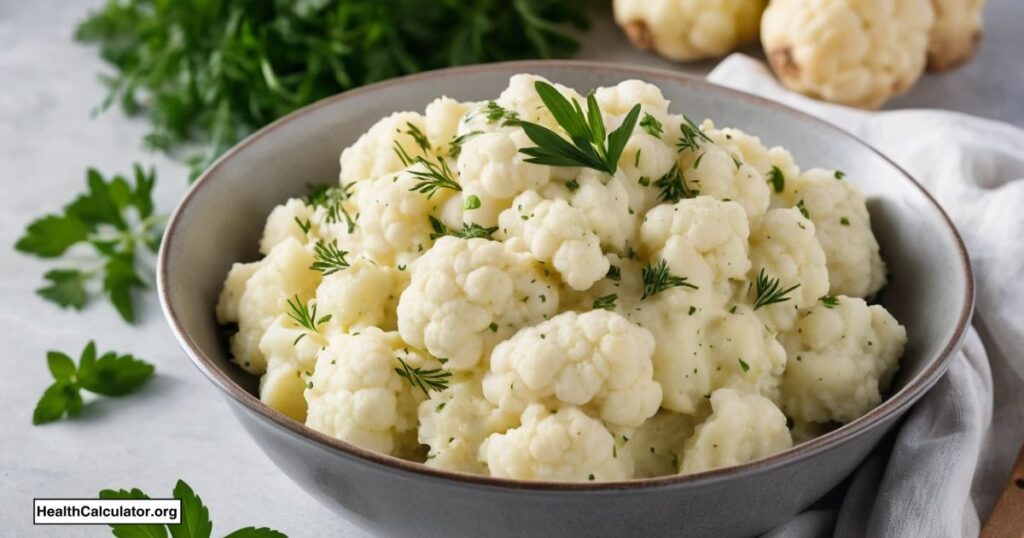
3. Cauliflower and Potato Mash

Cauliflower and Potato Mash

Cut even more calories by replacing half the potatoes with cauliflower. Most people can’t taste the difference.​

Ingredients:

  • 1.5 pounds Yukon gold potatoes, peeled and cubed
  • 1 medium head cauliflower, cut into florets
  • 3 tablespoons olive oil
  • 1/4 cup unsweetened almond milk
  • 3 cloves garlic, minced
  • 1 teaspoon sea salt
  • 1/4 teaspoon black pepper

Instructions:

  1. Boil potatoes and cauliflower together until tender, about 15 minutes.
  2. Drain well and return to pot.
  3. Add olive oil, almond milk, and garlic.
  4. Mash until smooth.
  5. Season with salt and pepper.

Nutrition per 1 cup serving: 110 calories, 3g protein, 16g carbs, 4g fat​

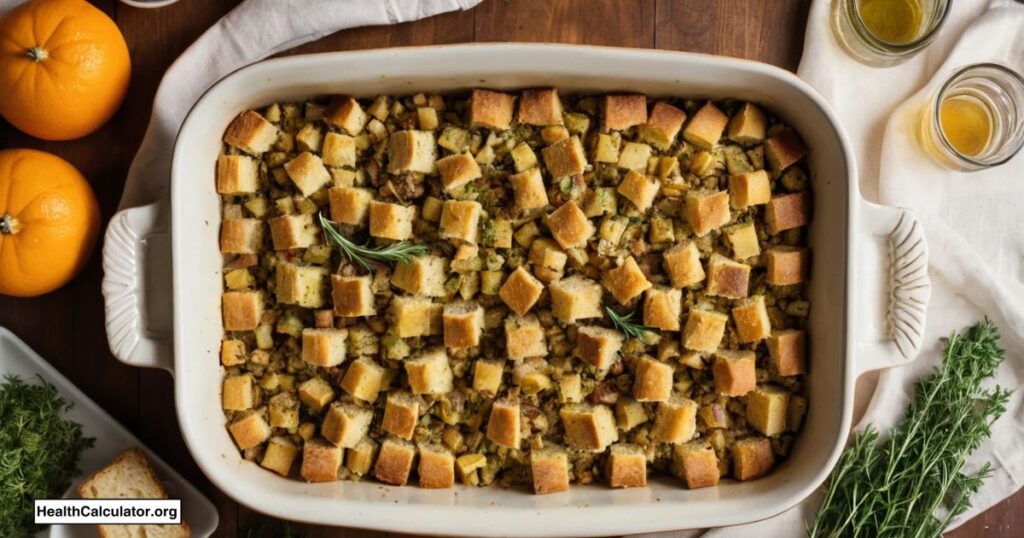
4. Herb and Citrus Stuffing

Herb and Citrus Stuffing

Traditional bread stuffing absorbs butter like a sponge. This version uses vegetable broth and olive oil for moisture.​

Ingredients:

  • 12 cups whole wheat bread, cubed and dried overnight
  • 2 tablespoons olive oil
  • 1 large onion, diced
  • 3 celery stalks, diced
  • 2 carrots, diced
  • 4 cloves garlic, minced
  • 2 cups low-sodium vegetable broth
  • 1/4 cup fresh parsley, chopped
  • 2 tablespoons fresh sage, chopped
  • 1 tablespoon fresh thyme
  • Zest and juice of 1 orange
  • 1 teaspoon sea salt
  • 1/2 teaspoon black pepper

Instructions:

  1. Preheat oven to 350°F. Grease a 9×13 baking dish.
  2. Heat olive oil in a large skillet. Sauté onion, celery, and carrots until soft, about 8 minutes.
  3. Add garlic and cook 1 minute more.
  4. Transfer vegetables to a large bowl. Add bread cubes, broth, herbs, orange zest, orange juice, salt, and pepper. Toss until bread is moistened.
  5. Transfer to baking dish. Cover with foil.
  6. Bake 30 minutes. Remove foil and bake 15 more minutes until top is golden.

Nutrition per 1 cup serving: 200 calories, 6g protein, 36g carbs, 4g fat​

Traditional cornbread stuffing has 363 calories per cup. This saves 163 calories per serving.​

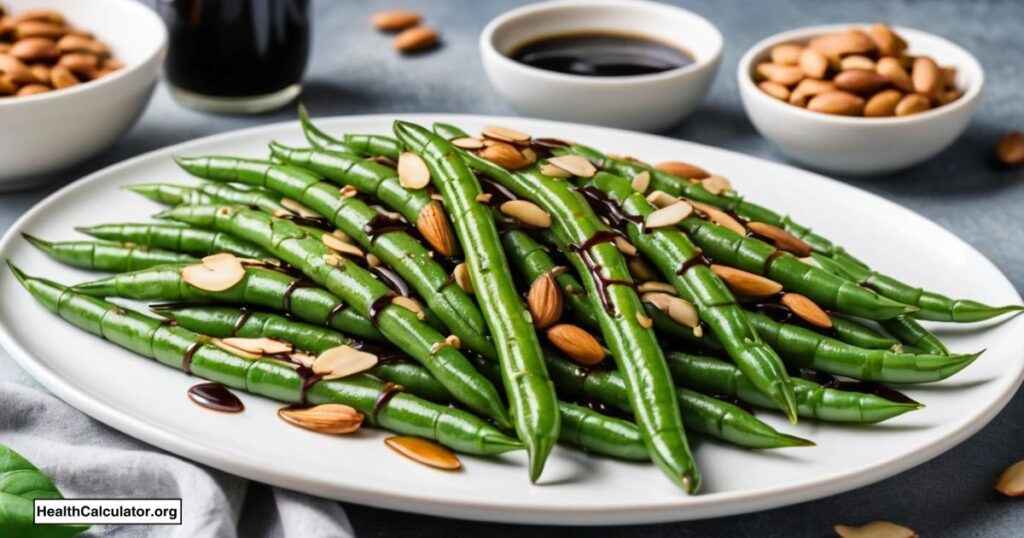
5. Balsamic Roasted Green Beans

Balsamic Roasted Green Beans

Skip the canned soup and fried onions. Fresh green beans roasted with balsamic vinegar taste better and save calories.​

Ingredients:

  • 2 pounds fresh green beans, trimmed
  • 2 tablespoons olive oil
  • 2 tablespoons balsamic vinegar
  • 3 cloves garlic, minced
  • 1/2 teaspoon sea salt
  • 1/4 teaspoon black pepper
  • 1/4 cup sliced almonds, toasted

Instructions:

  1. Preheat oven to 425°F. Line a baking sheet with parchment paper.
  2. Toss green beans with olive oil, vinegar, garlic, salt, and pepper.
  3. Spread in a single layer on baking sheet.
  4. Roast 20 minutes, stirring halfway through.
  5. Top with toasted almonds before serving.

Nutrition per 1 cup serving: 90 calories, 3g protein, 10g carbs, 5g fat​

Traditional green bean casserole has 143 calories per cup.​

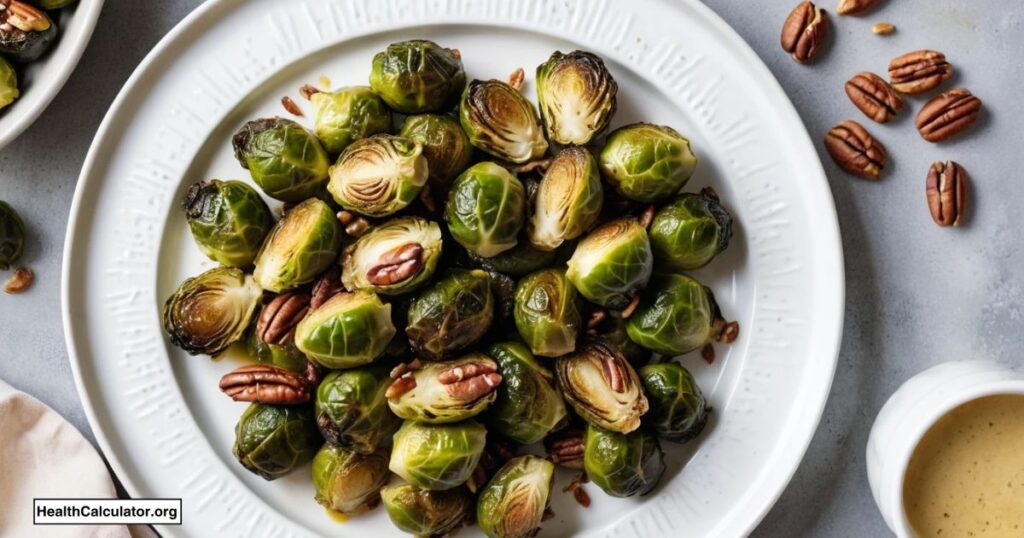
6. Roasted Brussels Sprouts with Pecans

Roasted Brussels Sprouts with Pecans

Brussels sprouts become sweet and crispy when roasted at high heat.​

Ingredients:

  • 2 pounds Brussels sprouts, trimmed and halved
  • 2 tablespoons olive oil
  • 1/2 teaspoon sea salt
  • 1/4 teaspoon black pepper
  • 1/3 cup pecans, roughly chopped
  • 2 tablespoons pure maple syrup
  • 1 tablespoon Dijon mustard
  • 1 tablespoon apple cider vinegar

Instructions:

  1. Preheat oven to 400°F. Line a baking sheet with parchment paper.
  2. Toss Brussels sprouts with olive oil, salt, and pepper.
  3. Spread cut-side down on baking sheet.
  4. Roast 25 minutes until golden and crispy.
  5. While sprouts roast, mix maple syrup, mustard, and vinegar in a small bowl.
  6. Transfer roasted sprouts to a serving bowl. Toss with maple mixture and pecans.

Nutrition per 1 cup serving: 130 calories, 4g protein, 16g carbs, 7g fat​

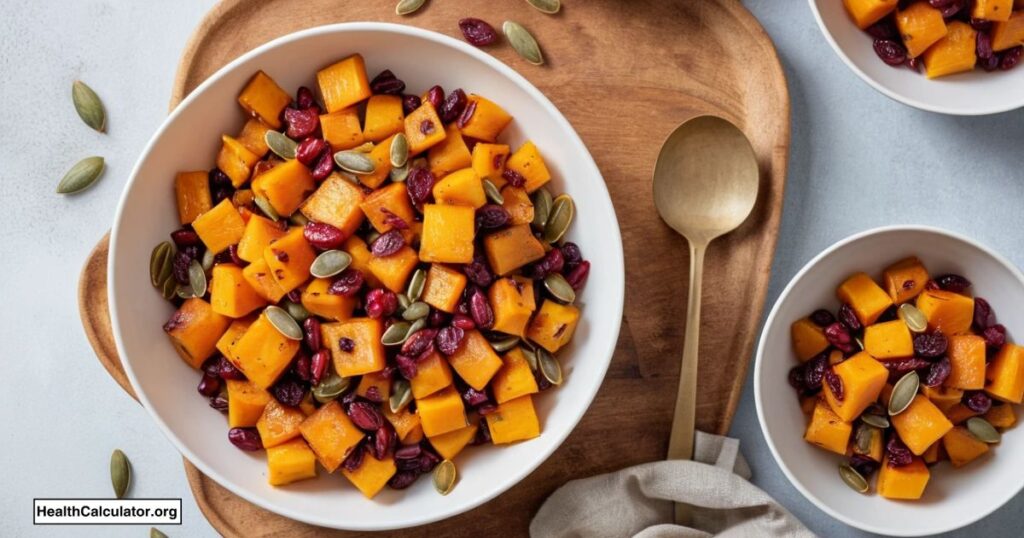
7. Maple Roasted Butternut Squash

Maple Roasted Butternut Squash

Winter squash adds color, fiber, and vitamins A and C to your holiday table.​

Ingredients:

  • 1 large butternut squash (about 3 pounds), peeled and cubed
  • 2 tablespoons olive oil
  • 2 tablespoons pure maple syrup
  • 1 teaspoon cinnamon
  • 1/2 teaspoon nutmeg
  • 1/2 teaspoon sea salt
  • 1/4 cup dried cranberries
  • 1/4 cup pumpkin seeds

Instructions:

  1. Preheat oven to 400°F. Line a baking sheet with parchment paper.
  2. Toss squash with olive oil, maple syrup, cinnamon, nutmeg, and salt.
  3. Spread in a single layer on baking sheet.
  4. Roast 30 minutes, stirring halfway through, until tender and caramelized.
  5. Top with dried cranberries and pumpkin seeds before serving.

Nutrition per 1 cup serving: 150 calories, 3g protein, 28g carbs, 5g fat​

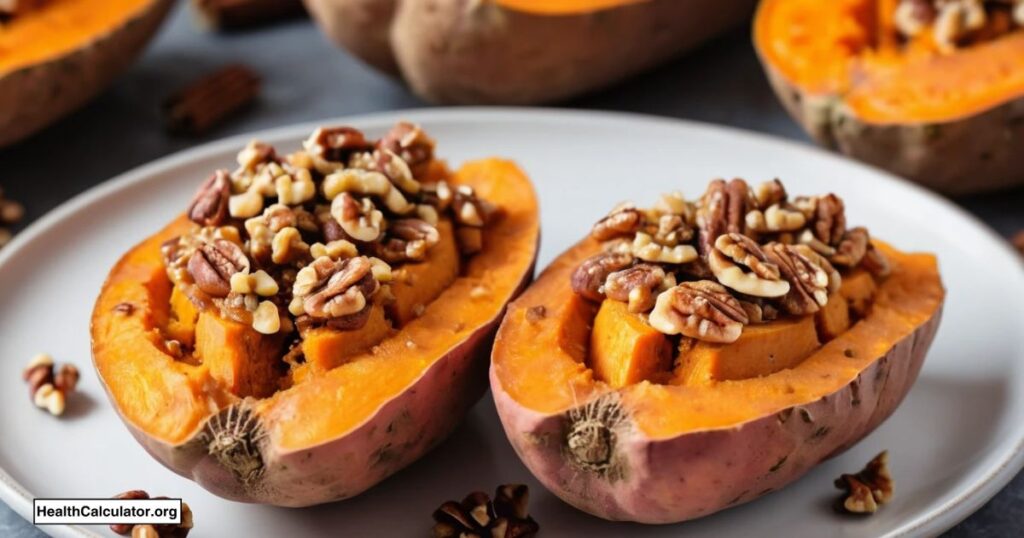
8. Baked Sweet Potatoes with Cinnamon

Baked Sweet Potatoes with Cinnamon

Sweet potatoes are naturally sweet and loaded with fiber. Skip the marshmallow topping and let their natural flavor shine.​

Ingredients:

  • 6 medium sweet potatoes
  • 2 tablespoons coconut oil, melted
  • 2 teaspoons cinnamon
  • 1/4 teaspoon sea salt
  • 1/4 cup chopped walnuts

Instructions:

  1. Preheat oven to 400°F. Line a baking sheet with parchment paper.
  2. Pierce sweet potatoes several times with a fork. Place on baking sheet.
  3. Bake 45-60 minutes until very tender.
  4. Cut open and fluff flesh with a fork.
  5. Drizzle with coconut oil and sprinkle with cinnamon, salt, and walnuts.

Nutrition per potato: 180 calories, 3g protein, 32g carbs, 5g fat​

Traditional sweet potato casserole has 276 calories per cup.​

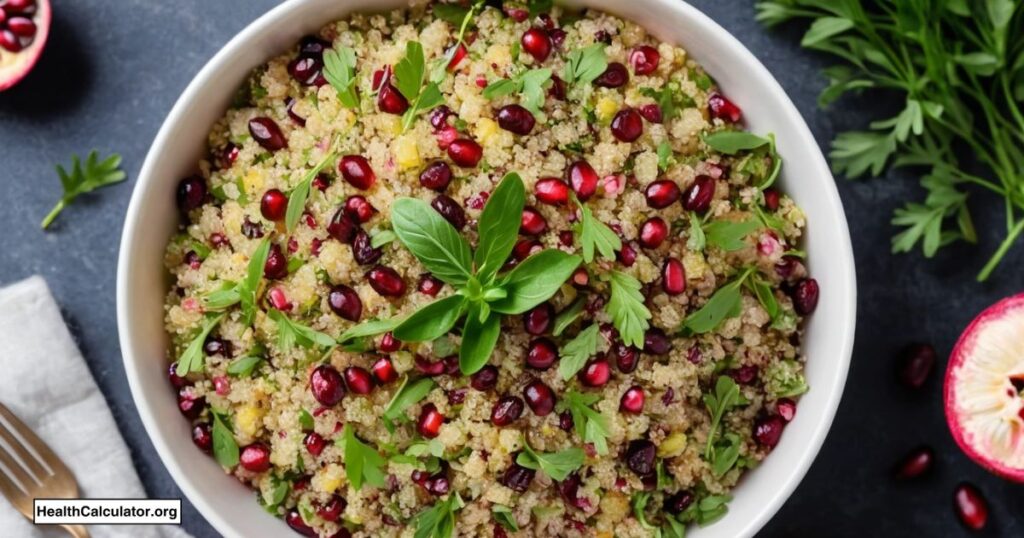
9. Quinoa and Herb Salad

Quinoa and Herb Salad

Add protein and fiber with a grain salad that works for vegetarians too.​

Ingredients:

  • 2 cups quinoa, cooked and cooled
  • 1 cup pomegranate seeds
  • 1/2 cup dried cranberries
  • 1/2 cup pecans, toasted and chopped
  • 1/4 cup fresh parsley, chopped
  • 1/4 cup fresh mint, chopped
  • 1/4 cup olive oil
  • 3 tablespoons fresh lemon juice
  • 1 tablespoon honey
  • 1/2 teaspoon sea salt
  • 1/4 teaspoon black pepper

Instructions:

  1. Combine quinoa, pomegranate seeds, cranberries, pecans, parsley, and mint in a large bowl.
  2. Whisk together olive oil, lemon juice, honey, salt, and pepper.
  3. Pour dressing over salad and toss well.
  4. Chill at least 30 minutes before serving.

Nutrition per 1 cup serving: 210 calories, 5g protein, 28g carbs, 9g fat​

Use our Protein Calculator to make sure you’re getting enough protein throughout the day, especially if you’re serving multiple vegetarian dishes.

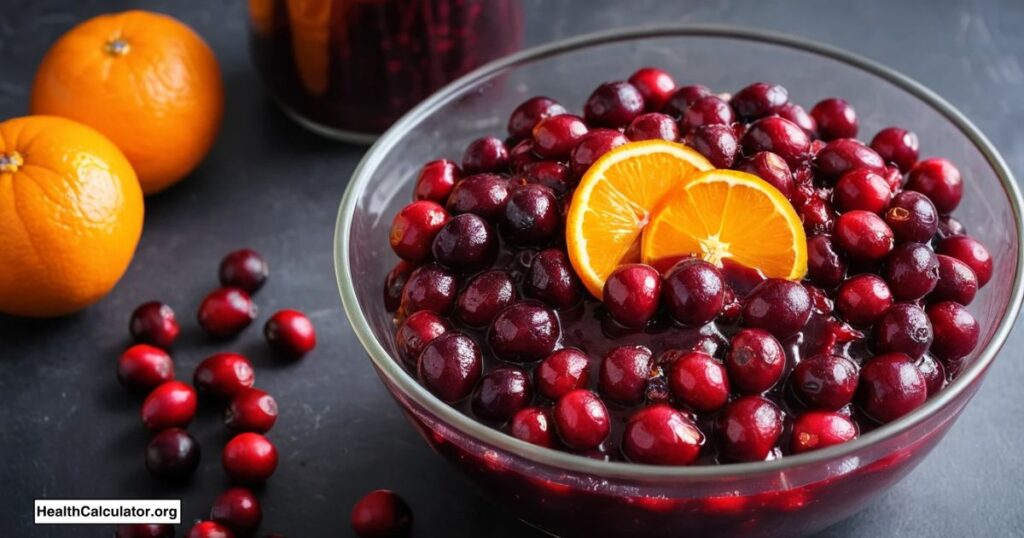
10. Cranberry Orange Sauce

Cranberry Orange Sauce

Homemade cranberry sauce takes 15 minutes and contains no added sugar beyond what you add yourself.​

Ingredients:

  • 12 ounces fresh cranberries
  • 1 orange, zested and juiced
  • 1/2 cup water
  • 1/3 cup honey or maple syrup
  • 1 cinnamon stick
  • 1/4 teaspoon ground ginger

Instructions:

  1. Combine all ingredients in a medium saucepan.
  2. Bring to a boil, then reduce heat and simmer 15 minutes.
  3. Cranberries will burst and sauce will thicken.
  4. Remove cinnamon stick. Let cool completely.
  5. Sauce will thicken more as it cools.

Nutrition per 1/4 cup serving: 100 calories, 0g protein, 26g carbs, 0g fat​

Canned cranberry sauce has 209 calories per half cup.​

11. Lightened Turkey Gravy

Lightened Turkey Gravy

Traditional gravy made with turkey drippings contains 178 calories per half cup. This version uses broth and just a small amount of turkey drippings for flavor.​

Ingredients:

  • 3 cups low-sodium turkey or chicken broth
  • 1/4 cup turkey pan drippings (fat removed)
  • 1/4 cup whole wheat flour
  • 1 teaspoon fresh thyme
  • 1/2 teaspoon sea salt
  • 1/4 teaspoon black pepper

Instructions:

  1. Pour turkey drippings into a measuring cup. Let sit 5 minutes.
  2. Skim off and discard fat from the top.
  3. Heat broth and defatted drippings in a medium saucepan.
  4. Whisk flour into 1/2 cup cold water until smooth.
  5. Slowly whisk flour mixture into hot broth.
  6. Simmer, stirring constantly, until thickened, about 5 minutes.
  7. Add thyme, salt, and pepper.

Nutrition per 1/4 cup serving: 50 calories, 2g protein, 6g carbs, 2g fat​

Healthy Thanksgiving Salad

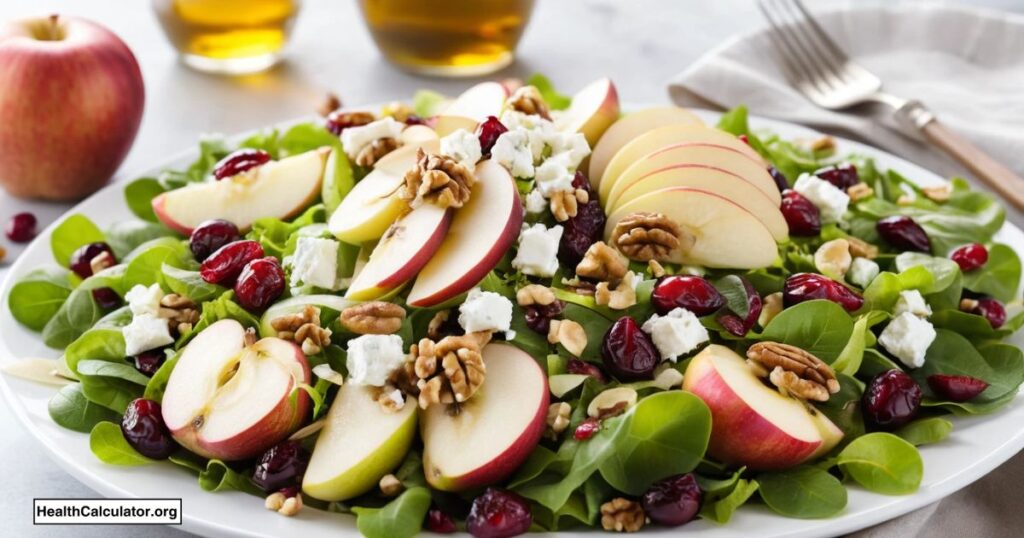
12. Apple Walnut Salad with Maple Vinaigrette

Apple Walnut Salad with Maple Vinaigrette

Start your meal with a salad to fill up on vegetables before the heavier dishes.​

Ingredients:

For the salad:

  • 8 cups mixed greens
  • 2 apples, thinly sliced
  • 1/2 cup walnuts, toasted
  • 1/3 cup dried cranberries
  • 1/4 cup red onion, thinly sliced
  • 1/4 cup goat cheese, crumbled (optional)

For the vinaigrette:

  • 3 tablespoons olive oil
  • 2 tablespoons apple cider vinegar
  • 1 tablespoon pure maple syrup
  • 1 teaspoon Dijon mustard
  • 1/4 teaspoon sea salt
  • 1/4 teaspoon black pepper

Instructions:

  1. Arrange greens on a large platter.
  2. Top with apple slices, walnuts, cranberries, and red onion.
  3. Whisk together all vinaigrette ingredients.
  4. Drizzle over salad just before serving.
  5. Top with goat cheese if using.

Nutrition per serving (with cheese): 180 calories, 4g protein, 16g carbs, 12g fat​

Healthy Thanksgiving Desserts

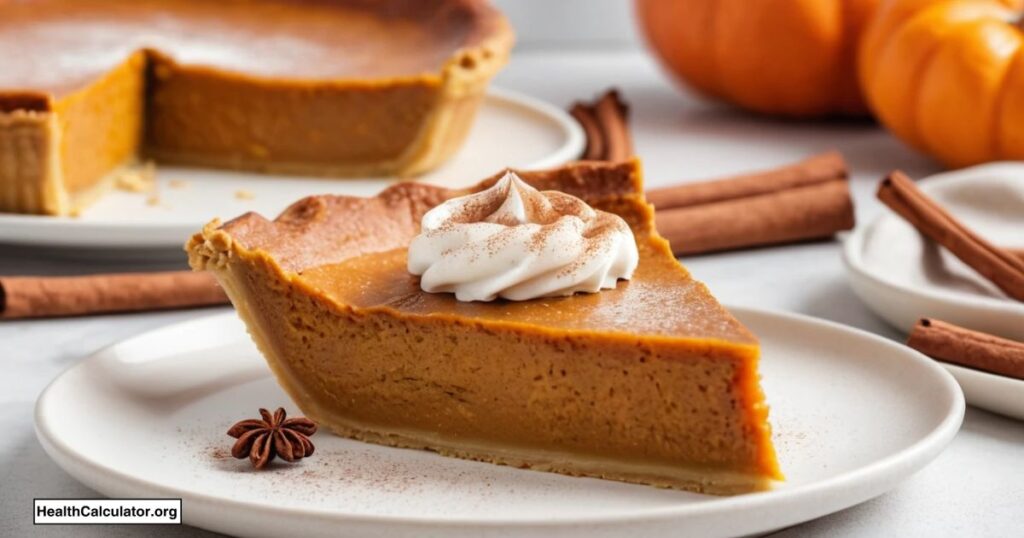
13. Crustless Pumpkin Pie

Crustless Pumpkin Pie

Skip the buttery crust and save 113 calories per slice.​

Ingredients:

  • 1 (15 oz) can pure pumpkin puree
  • 3/4 cup coconut milk
  • 3 eggs
  • 1/2 cup pure maple syrup
  • 2 teaspoons pumpkin pie spice
  • 1 teaspoon vanilla extract
  • 1/4 teaspoon sea salt

Instructions:

  1. Preheat oven to 350°F. Grease a 9-inch pie dish.
  2. Whisk together all ingredients until smooth.
  3. Pour into pie dish.
  4. Bake 45-50 minutes until center is set but still slightly jiggly.
  5. Cool completely before serving.

Nutrition per slice (1/8 of pie): 210 calories, 4g protein, 28g carbs, 9g fat​

Traditional pumpkin pie has 323 calories per slice.​

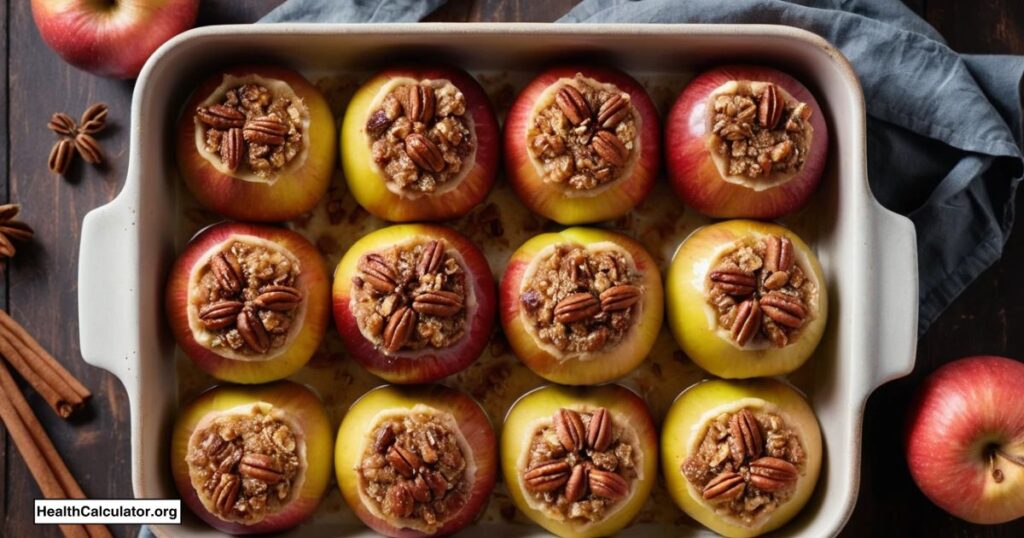
14. Baked Apples with Cinnamon

Baked Apples with Cinnamon

These taste like apple pie filling without the crust.​

Ingredients:

  • 6 large apples (Granny Smith or Honeycrisp)
  • 1/3 cup rolled oats
  • 1/4 cup chopped pecans
  • 2 tablespoons coconut oil, melted
  • 2 tablespoons pure maple syrup
  • 1 teaspoon cinnamon
  • 1/4 teaspoon nutmeg
  • Pinch of sea salt

Instructions:

  1. Preheat oven to 375°F.
  2. Core apples, leaving the bottom intact to create a bowl.
  3. Mix oats, pecans, coconut oil, maple syrup, cinnamon, nutmeg, and salt in a small bowl.
  4. Stuff mixture into apple centers.
  5. Place apples in a baking dish with 1/2 inch of water in the bottom.
  6. Cover with foil and bake 30 minutes.
  7. Remove foil and bake 10 more minutes until apples are tender.

Nutrition per apple: 190 calories, 2g protein, 34g carbs, 7g fat​

Apple pie has 356 calories per slice.​

15. Greek Yogurt Pumpkin Mousse

Greek Yogurt Pumpkin Mousse

This light dessert takes 5 minutes to make and contains protein from Greek yogurt.​

Ingredients:

  • 2 cups plain Greek yogurt (2% or full fat)
  • 1 cup pure pumpkin puree
  • 1/4 cup pure maple syrup
  • 2 teaspoons pumpkin pie spice
  • 1 teaspoon vanilla extract
  • Pinch of sea salt
  • Whipped cream for topping (optional)

Instructions:

  1. Whisk together all ingredients until smooth and creamy.
  2. Divide among 6 serving glasses.
  3. Chill at least 2 hours.
  4. Top with a dollop of whipped cream if desired.

Nutrition per serving: 120 calories, 8g protein, 18g carbs, 2g fat​

Making It Work for Any Holiday

These recipes work for Christmas, Easter, or any special occasion. The strategies stay the same regardless of which holiday you’re celebrating.​

Choose lean proteins like turkey breast, remove skin before eating, load your plate with vegetables first, use broth instead of butter for moisture, and roast vegetables instead of frying or adding heavy cream sauces.​

Your body doesn’t know it’s a holiday. It processes a 3,000-calorie meal the same whether you eat it on Thanksgiving or a random Tuesday. Planning ahead helps you enjoy special foods without overdoing it.​

Use our BMI Calculator and BMR Calculator to understand your current health status and daily calorie needs. Then build your holiday menu around those numbers.

A typical holiday dinner equals 3,000 calories. With the swaps in this guide, you can cut that to 1,500 calories or less while still enjoying all your favorite foods. That’s the difference between gaining weight over the holidays and maintaining your current health goals.

Protein Powder Lead

Lead in Protein Powder: What You Need to Know

Posted on November 24, 2025November 24, 2025 by healthcalculator.org

A recent Consumer Reports investigation found that more than two-thirds of protein powders contain lead levels exceeding safe daily limits. Some products tested contained lead amounts over 10 times higher than what experts consider safe to consume in a day.

This isn’t new. Consumer Reports first tested protein powders 15 years ago and found similar issues. But the 2025 results show the problem has gotten worse, not better.

The Testing Results

Consumer Reports tested 23 popular protein powders and ready-to-drink shakes for lead in protein shakes and powders between November 2024 and February 2025. They purchased products from Amazon, Walmart, Vitamin Shoppe, and Whole Foods Market. Each product was tested from multiple batches to ensure accurate results.

The findings were alarming. About 70% of products contained more than 120% of the safe daily lead limit, which experts set at 0.5 micrograms per day. All products delivered the amount of protein listed on their labels, ranging from 20 to 60 grams per serving. But that protein came with a heavy cost.

Two products stood out for the wrong reasons. Naked Nutrition Vegan Mass Gainer contained 7.7 micrograms of lead per serving. That’s 1,570% of the daily safe limit. Huel Black Edition powder had 6.3 micrograms, or 1,290% of the safe amount. Experts recommend avoiding these products entirely.

Four other products had dangerously high levels too. Garden of Life Sport Organic Plant-Based Protein and Momentous 100% Plant Protein both contained between 400% and 600% of safe lead limits. Consumer Reports suggests limiting these to once per week at most.

The good news? One product tested showed no detectable lead. MuscleTech 100% Mass Gainer came back clean in all tests.

Does Protein Powder Have Lead?

Yes. Lead exists naturally in Earth’s crust, and plants absorb it from soil as they grow. This means any food product made from plants will contain some level of lead. The question isn’t whether lead is present but how much.

Processing makes things worse. Turning whole peas into protein powder involves multiple steps. First, the peas are dehulled and ground into flour. Then the flour gets mixed with water to separate protein from starch and fiber. Finally, the protein is treated with food-grade acid and spray dried into powder. Each step creates opportunities for additional contamination, depending on the machinery and water quality used.

Many companies don’t reveal where they source their ingredients. But historically, most pea protein sold in the United States comes from China. The FDA rarely audits foreign supplement makers, which means quality control varies widely.

Plant-Based vs Dairy Protein

The type of protein matters significantly. Plant-based powders contained nine times more lead than dairy-based options like whey. They also had twice as much lead as beef-based protein powders.

Nearly all plant-based products tested showed elevated lead levels. Meanwhile, dairy-based powders generally performed better, though half still had enough lead that experts advise against daily use.

This pattern makes sense. Plants naturally absorb whatever exists in their environment, including heavy metals in soil and water. Dairy and meat products can also contain lead, but the contamination pathways differ. Cows get lead exposure through feed, water, and soil, but the concentration rarely reaches the levels seen in plant-based sources.

Pea protein has become popular in recent years because of its neutral flavor and low allergen risk. But this popularity comes with trade-offs that many consumers don’t realize.

Health Effects of Lead Exposure

No amount of lead is safe for human consumption. Lead serves no beneficial function in your body and can cause harm at any level of exposure.

Short-term symptoms include metallic taste in your mouth, abdominal pain, nausea, and headaches. Long-term exposure causes more serious problems. These include memory loss, difficulty concentrating, elevated blood pressure, kidney damage, and fertility issues in both men and women.

Pregnant women face particular risks. Lead exposure can cause miscarriage, stillbirth, premature birth, and low birth weight. It can also affect fetal brain development, leading to learning disabilities and behavioral problems later in life.

The average American already gets 5.3 micrograms of lead daily through normal food consumption. Adding a serving of Naked Nutrition Mass Gainer (7.7 micrograms) would put you well over the FDA’s interim reference level of 8.8 micrograms per day for adults.

And food isn’t your only source. Lead also exists in air, soil, household dust, and old paint. Every additional source pushes your total exposure higher.

Which Protein Powder With Lead Should You Avoid?

Based on Consumer Reports testing, these products had the highest lead contamination and should be avoided or severely limited.

Avoid completely:

Naked Nutrition Vegan Mass Gainer (7.7 mcg lead per serving)

Huel Black Edition powder (6.3 mcg lead per serving)

Limit to once per week maximum:

Garden of Life Sport Organic Plant-Based Protein

Momentous 100% Plant Protein

Use cautiously (not daily):

MuscleMeds Carnivor Mass powder (beef-based, over 200% of safe limit)

Six additional plant-based powders

Five dairy-based powders and shakes

One additional beef powder

Consumer Reports published the full list of tested products with specific contamination levels. You can view their complete findings and methodology at Consumer Reports.

How to Choose Safer Options

Look for third-party testing certifications. NSF Certified for Sport and Informed-Sport both test products for heavy metals and other contaminants. These certifications mean an independent lab verified what’s actually in the product, not just what the label claims.

NSF allows up to 10 micrograms of lead per serving, which is 20 times higher than Consumer Reports’ recommended limit. But products with NSF certification still tend to be safer than uncertified alternatives because they face regular testing and oversight.

Very few companies publish their heavy metal testing results. Momentous and Transparent Labs both make test results available on their websites. KOS and Equip Foods say they’ll provide results if customers request them. If a company won’t share testing data, that’s a red flag.

Choose dairy-based proteins when possible. Whey and casein powders consistently show lower lead levels than plant-based alternatives. If you prefer plant-based options for dietary or ethical reasons, look for products that source ingredients from North America rather than overseas.

Flavor doesn’t matter as much as you might think. Previous studies identified chocolate as a notable source of heavy metal contamination. But Consumer Reports found no meaningful difference between chocolate and vanilla products in 2025 testing.

Better Protein Sources

You probably don’t need protein powder at all. Most Americans already get more protein than federal guidelines recommend. Men consume about 155% of recommended amounts, and women get about 135%.

The average healthy adult needs 0.36 grams of protein per pound of body weight. For a 170-pound person, that’s about 61 grams daily. You can hit that target with one cup of plain Greek yogurt and 3.5 ounces of chicken breast. Or skip the chicken and eat 5 ounces of tempeh instead.

Older adults need slightly more. Aim for 0.45 to 0.59 grams per pound to offset age-related muscle loss. Pregnant women and serious athletes also have higher requirements. But even these groups can usually meet their needs through whole foods.

Use our Protein Calculator to determine your specific needs based on your age, weight, activity level, and goals.

Whole food protein sources include beans, lentils, tofu, eggs, dairy products, fish, poultry, and lean meats. These foods provide protein without the processing steps that introduce heavy metal contamination. They also contain vitamins, minerals, and fiber that isolated protein powders lack.

If you make your own protein shakes, swap the powder for peanut butter, Greek yogurt, or milk. You’ll get clean protein plus nutrients that support overall health.

The Regulatory Problem

Protein powders fall into a regulatory gray area that leaves consumers vulnerable. The FDA doesn’t review, approve, or test supplements before they hit store shelves. Manufacturers don’t have to prove their products are safe before selling them. There are no federal limits for heavy metal content in protein powder.

This wasn’t always true. Before 1994, companies had to prove herbal products were safe before selling them. Then Congress passed the Dietary Supplement Health and Education Act, which sharply limited FDA authority. Now supplements are “presumed safe unless found otherwise.”

The FDA relies on voluntary complaints and factory inspections to catch problems. But those inspections cover only a tiny fraction of the industry. About 12,000 supplement manufacturers operate in the United States. Last year, the FDA inspected just 600 of them.

This means contaminated or unsafe supplements regularly reach consumers before anyone catches the problem. A 2023 Government Accountability Office report found FDA oversight so inadequate that it urged Congress to expand the agency’s authority.

Companies can set their own standards for what counts as “harmful.” Many told Consumer Reports they follow guidelines from the FDA, EPA, World Health Organization, or European Food Safety Authority. But most of those organizations have no specific limits for lead in protein powders. The ones that do set thresholds far higher than what public health experts consider safe.

What You Should Do

Cut back on protein supplements if you use them regularly. Most people don’t need them to meet their protein goals. Whole foods provide better nutrition without the heavy metal exposure.

If you do use protein powder, limit it to a few times per week rather than daily. Avoid products with California Prop 65 warnings on the label. These warnings indicate the product contains chemicals known to cause cancer, birth defects, or reproductive harm at levels the state considers significant.

Check whether your preferred brand publishes heavy metal testing results. If they don’t, ask for them. Companies that refuse to share testing data should raise concerns.

Choose dairy-based proteins over plant-based when you do buy supplements. Whey and casein consistently test lower for lead contamination. And calculate your actual protein needs before buying any supplement. Use the USDA protein calculator or our Protein Calculator to get personalized recommendations based on your age, weight, and activity level.

Track your lifting progress and nutritional needs with our Barbell Calculator and 1 Rep Max Calculator to optimize your training without relying heavily on supplements.

The protein industry has grown into a multibillion-dollar business by convincing people they need more protein than they actually do. Don’t fall for it. Most people eating a balanced diet already get plenty of protein through normal meals. Adding supplements just increases your exposure to contaminants like lead without providing meaningful benefits.

Check CDC guidance on lead exposure symptoms to understand warning signs and protect your health.

How to Fix Slow Metabolism

How to Fix Slow Metabolism and Boost Energy

Posted on October 6, 2025October 11, 2025 by healthcalculator.org

Metabolism is how your body turns food into energy. It affects the calories you burn, energy levels, and fat storage. Many people notice metabolism slows with age, but several factors influence it. Understanding them helps you figure out how to fix slow metabolism.

Reasons Metabolism Slows Down

Age is a big factor. Muscle mass declines over time. Less muscle burns fewer calories, even at rest.

Hormones affect metabolism too. Changes in thyroid, insulin, and sex hormones can reduce energy use. Stress and poor sleep also interfere with hormone balance.

Diet matters. Eating too few calories for long periods can slow metabolism. Your body adapts by conserving energy, which makes weight management harder.

Activity level influences metabolism. Sedentary habits lower calorie burning, while regular movement keeps metabolism active. Even small actions like walking or stretching help.

Certain medications or medical conditions may slow metabolism. Hypothyroidism, for example, directly reduces energy use. Some antidepressants or steroids may also affect it.

Signs Your Metabolism May Be Slow

Weight gain without changing diet or activity is a common sign. Fatigue, feeling cold, dry skin, and constipation may also indicate a slower metabolism. Sudden changes should be checked by a doctor.

How to Fix Slow Metabolism Naturally

One effective way to boost metabolism is building muscle. Strength training increases calories burned at rest. High-intensity workouts also raise metabolism after exercise ends.

Eating enough protein supports muscle and slightly increases calorie burn from digestion. Balanced meals help maintain energy but do not dramatically speed up metabolism.

Staying active is key. Walking, taking stairs, or stretching throughout the day increases calorie use. Daily activity bursts add up over time.

Sleep affects metabolism. Poor sleep lowers calories burned and raises appetite hormones. Aim for seven to nine hours per night.

Managing stress helps too. High cortisol from chronic stress encourages fat storage and reduces energy use. Mindfulness, yoga, or light exercise lowers stress and supports metabolism.

Tracking Your Metabolism

Tools like the BMR Calculator estimate calories burned at rest. The TDEE Calculator adds activity to show total daily energy needs. Tracking these helps you adjust diet and workouts while learning how to fix slow metabolism.

When to See a Professional

If lifestyle changes do not improve energy or weight management, consult a doctor. Thyroid or hormonal issues may need medical attention. Dietitians and trainers can give personalized advice on nutrition and exercise.

Conclusion

Metabolism depends on age, hormones, muscle, activity, diet, and sleep. Understanding these factors guides you on how to fix slow metabolism. Small, consistent habits like building muscle, eating enough protein, staying active, sleeping well, and managing stress support energy and calorie burning. Using BMR and TDEE calculators helps track progress and make informed changes.

For more details, see Harvard Health on metabolism. They explain metabolism and practical ways to maintain it.

How to Read Food Nutrition Labels

How to Read Food Nutrition Labels for Healthy Choices

Posted on September 6, 2025October 11, 2025 by healthcalculator.org

Making healthy food choices often relies on understanding what you’re really eating. One of the best tools to help you make informed decisions is the food nutrition label found on packaged foods and drinks. By learning how to read food nutrition labels, you can balance your diet, manage your weight, and control your intake of sugar, fat, and salt. This knowledge can lead to better overall health.

In this guide, we will break down nutrition labels step-by-step, provide real-life examples, and answer common questions. This way, anyone from beginners to health-conscious eaters can confidently evaluate what they buy and eat.

Why Food Nutrition Labels Matter

Nutrition labels provide clear information about what’s in your food. They allow you to:

  • Compare products quickly.
  • Track your daily intake of calories, protein, fat, sugar, and sodium.
  • Identify hidden ingredients like added sugars or trans fats.
  • Support goals such as managing weight, building muscle, or controlling health issues like high blood pressure or diabetes.

For example, someone choosing between two breakfast cereals might find that one has nearly double the sugar, even if the calorie count looks similar. That quick glance at the label can be the difference between a healthy start to the day and a sugary crash.

You can use our free basal metabolic rate calculator app to understand your daily calorie needs.

You can checkout FDA’s nutrition label education here.

Key Parts of a Nutrition Label

Understanding a nutrition label means focusing on the most important sections.

1. Serving Size

  • Always start here. The serving size shows how much food the nutrition facts apply to. If the serving size is 100g but you eat 200g, you need to double everything listed.
  • Example: A bag of chips says “Serving Size: 15 chips.” You eat 30 chips, which means the calories, fat, and sodium are all doubled from what’s listed.

2. Calories

  • Calories indicate the amount of energy the food provides per serving.
  • Tracking calories helps with weight management. Lower isn’t always better—you need enough calories for energy, but not so many that you gain extra weight.

    3. Macronutrients (Carbohydrates, Proteins, Fats)

    • Total Carbohydrates: This includes starches, fibers, and sugars. Focus on foods high in fiber and low in added sugars.
    • Proteins: These are vital for building and repairing tissues. Look for foods with moderate protein and without excess saturated fat.
    • Fats: Pay attention to the type of fat. Unsaturated fats, like those found in nuts and olive oil, are healthy, while trans fats are harmful.

    You can use our free app to calculate your ideal macronutrient balance.

      4. Added Sugars

      • Nutrition labels now list added sugars separately from natural sugars.
      • For better health, the American Heart Association suggests limiting added sugars to:
        • 25g/day for women
        • 36g/day for men
      • Example: A flavored yogurt may seem healthy, but the nutrition label might reveal it has 20g of added sugar—almost your entire daily limit in one snack.

        5. Sodium (Salt)

        • Too much sodium increases the risk of high blood pressure.
        • Aim for less than 2,300 mg of sodium per day (lower if your doctor recommends it).
        • Check labels on processed foods like soups, sauces, chips, or frozen meals, as they often contain hidden sodium.

          6. Percent Daily Value (% DV)

          • % DV shows how much a nutrient in one serving contributes to your daily recommended intake.
          • As a rule of thumb:
            • 5% DV or less = low in that nutrient
            • 20% DV or more = high in that nutrient

            How to Compare Foods Easily

            Here’s a quick food comparison example using nutrition label data:

            ItemCalories (per serving)SugarSodiumFiber
            Breakfast Cereal A20018g200mg2g
            Breakfast Cereal B1908g150mg4g

            Looking at the table, Cereal B is clearly the healthier choice. It has lower sugar, lower sodium, and higher fiber. Both cereals are similar in calories.

            Tips for Making Healthy Choices

            • Check serving sizes carefully to avoid overeating.
            • Prioritize fiber-rich foods that keep you full longer, like whole grains and beans.
            • Limit packaged foods that are high in sodium and added sugars.
            • Choose foods with healthy fats, such as nuts, fish, and avocado, instead of those with saturated and trans fats.
            • Focus on nutrient-dense foods that provide vitamins and minerals rather than just empty calories.

            Real-Life Examples and Scenarios

            1. Choosing a snack bar:

            Two bars claim to be “healthy.” One has 250 calories, 12g protein, and 3g fiber. The other has 250 calories but only 2g protein and 1g fiber along with 18g added sugar. Even though the calories are the same, the first bar is a better choice nutritionally.

            2. Buying bread:

            Whole-wheat bread with 4g fiber per slice is far better than white bread with 1g fiber, even if the calories per slice are nearly identical.

            3. Checking drinks:

            A can of soda has 150 calories, all from sugar. Sparkling water has 0 calories and no sugar. That choice adds up significantly over time.

            FAQs on How to Read Food Nutrition Labels

            Q. Are low-calorie foods always healthy?

            A. Not necessarily. Some low-calorie foods may be high in sugar or sodium. Always check the full label.

            Q. What should I check first on a nutrition label?

            A. Always start with the serving size. This helps you calculate everything correctly.

            Q. How much fiber should I look for?

            A. Aim for about 25 to 30g of fiber per day. Foods with 3g or more of fiber per serving are considered a good source.

            Q. Why is added sugar listed separately?

            A. Added sugars, like corn syrup or cane sugar, cause spikes in blood sugar and add empty calories, while natural sugars in fruit or milk come with beneficial nutrients.

            Q. How do I know if a food is good or bad just by looking?

            A. Check the serving size, calories, and % Daily Value. Aim for foods that are low in saturated fat, sodium, and sugar but high in fiber, vitamins, and protein.

            Some more Real Life Examples of Reading Food Nutrition Labels for Healthy Choices

            1. Choosing a Breakfast Cereal

            • You pick two cereals at the store.
            • Cereal A has 200 calories per serving, 18g sugar, and 2g fiber.
            • Cereal B has 190 calories, 8g sugar, and 4g fiber.
            • By reading the label, you choose Cereal B because it has less sugar and more fiber, which helps digestion and keeps you full longer.

            2. Deciding Between Yogurts

            • Flavored yogurt has 150 calories and 20g added sugar per serving.
            • Plain yogurt with fresh fruit has 100 calories and only 6g natural sugar.
            • Although flavored yogurt tastes sweet, the high added sugar makes it a less healthy choice than plain yogurt with natural fruit.

            3. Checking the Sodium in Soups

            • A canned soup label shows 700mg sodium per serving, and a bowl might contain two servings.
            • Eating one bowl gives you 1400mg sodium, which is over half the daily recommended limit.
            • Choosing a low-sodium or homemade soup can protect heart health and manage blood pressure.

            4. Comparing Snack Bars

            • One snack bar has 250 calories, 12g protein, and 3g fiber.
            • Another has the same calories but only 2g protein and 1g fiber with 18g added sugars.
            • The first bar is better for sustained energy and muscle repair, while the second has mostly empty calories from sugar.

            5. Reading Labels on Bread

            • Whole wheat bread contains 4g fiber per slice, while white bread has 1g fiber.
            • Even if calorie content is similar, whole wheat improves digestion and provides lasting energy.

            Nutrients to Watch That Are Not Good for Health

            • Added Sugars: Too much leads to weight gain, diabetes risk, and heart disease. Labels now list added sugars separately, so limit these.
            • Sodium (Salt): High sodium is linked to high blood pressure and heart problems. Choose low-sodium options.
            • Saturated Fats: Found in fatty meats, butter, and some processed foods; too much can raise bad cholesterol and heart disease risk.
            • Trans Fats: Artificial trans fats, which come from partially hydrogenated oils, are harmful as they raise bad cholesterol and lower good cholesterol. Avoid them completely.

            Final Thoughts

            Reading food nutrition labels may seem confusing at first, but with practice, it becomes easier. When you understand how to interpret serving sizes, check calories, and spot hidden sugars and sodium, you empower yourself to make healthier choices every day.

            The next time you pick up something in the supermarket, don’t just look at the front packaging. Flip it around, read the nutrition facts, and choose what truly benefits your health.

            Avocado and Banana

            Avocado and Banana: Which Is Better for Potassium and Heart Health?

            Posted on August 9, 2025August 9, 2025 by healthcalculator.org

            Power up your nutrition by discovering how “avocado and banana” compare, especially for heart healthy diets and electrolyte balance.

            What Makes Potassium So Important?

            Potassium is an essential mineral and electrolyte that:

            • Regulates fluid balance and blood pressure
            • Supports muscle contractions and nerve transmission
            • Lowers risk of cardiovascular disease by offsetting sodium’s effects

            Most adults need 2,600–3,400mg potassium daily, but many fall short due to low intake of fresh fruits and vegetables.

            The American Heart Association recommends a potassium-rich diet to lower blood pressure and reduce stroke risk.

            A study published in the Journal of the American College of Cardiology found that diets rich in potassium-laden foods like bananas were associated with a 27% lower risk of stroke.

            Nutritional Showdown: Avocado vs. Banana

            Let’s compare the nutritional profiles of avocado and banana, focusing on potassium:

            Avocado (1 cup, 150g)

            • Potassium: 708mg (~20% DV)
            • Healthy fats: 21g (mostly monounsaturated oleic acid)
            • Fiber: 10g
            • Key vitamins: K, E, B5, B6
            • Antioxidants: Lutein (beneficial for eye health)
            • Carbohydrates/Sugar: Low

            Banana (medium, 118g)

            • Potassium: 422mg (~12% DV)
            • Carbohydrates: 27g (14g natural sugar, 3g fiber)
            • Key vitamins: C, B6, folate
            • Antioxidants: Dopamine, catechins
            • Magnesium: 8% DV

            Potassium Content: Head-to-Head

            FruitPotassium (per 100g)Potassium (per serving)
            Avocado485mg708mg (1 cup/150g)
            Banana358mg422mg (1 medium/118g)

            Winner: Avocado, with nearly 65% more potassium per serving and higher potassium per 100g.

            Heart-Healthy Benefits

            Both avocado and banana support a heart-healthy diet:

            • Avocado: The strong combination of potassium, fiber, and healthy fats lowers LDL cholesterol and triglycerides. It also increases HDL cholesterol.
            • Banana: Eating bananas regularly can reduce the risk of stroke due to their potassium content. They can also help manage blood pressure. Magnesium and B6 assist with muscle and nervous system function.

            Pro tip: Potassium helps relax blood vessels. This supports healthy blood pressure and lessens the impact of sodium intake.

            Electrolyte Balance & Active Lifestyles

            • Bananas are a popular choice for athletes who need quick electrolytes and energy during workouts.
            • Avocados provide more potassium per serving and extra magnesium for sustained energy, making them a great option for post-exercise recovery.

            Looking Beyond Potassium

            Both fruits play key roles in a balanced, nutrient-dense diet.

            Avocado Advantages

            • Rich in heart-healthy fats, supporting brain and hormone health.
            • Low glycemic index, ideal for stable blood sugar.
            • High fiber, promoting gut health and making you feel full.
            • Great for low-carb and keto diets.

            Banana Advantages

            • Quick source of natural energy, perfect for busy days or before a workout.
            • Contains mood-boosting B6 and tryptophan.
            • Budget-friendly and convenient, with no prep required.

            Practical Tips: How to Add Avocado and Banana to Your Diet

            Avocado Ideas:

            • Blend into green smoothies. Try it with banana for a potassium boost.
            • Top whole-grain toast with avocado, tomato, and poached egg.
            • Dice into salads or stir-fries.
            • Use it as a creamy base for dressings.

            Banana Ideas:

            • Slice into oatmeal or Greek yogurt.
            • Freeze and blend for “nice cream.”
            • Add to smoothies with spinach and almond milk.
            • Bake into muffins or pancakes as a natural sweetener.

            Try this! Combine both in a supercharged avacado and banana smoothie. Blend half an avocado, one banana, spinach, almond milk, and chia seeds for a satisfying, heart-healthy breakfast.

            Need to fine-tune your nutrition for your goals? Check out our internal tools:

            • Macro Calculator for balanced macros
            • Keto Calculator if you’re curious about low-carb approaches
            • TDEE Calculator, BMR Calculator, and BMI Calculator to tailor your caloric intake
            • Step Calculator for Weight Loss to track your physical activity

            Quick Video Guide

            Don’t miss this useful video on avocado and banana for potassium and heart health:

            https://www.youtube.com/shorts/vR6SwPCaIz0

            Final Thoughts

            For those looking for the best heart-healthy foods and a good balance of electrolytes, avocado and banana each have their own unique benefits:

            • Choose avocado for its higher potassium content, healthy fats, and fiber, especially if you need to feel full or follow a low-carb diet.
            • Choose banana for its quick energy-boosting carbs and convenience.

            Together, they create a strong dietary pair; include both in your daily routine for the best health benefits!

            best fruits for hair health

            Best Fruits for Hair Health: A Practical Guide

            Posted on July 25, 2025September 6, 2025 by healthcalculator.org

            Your kitchen might hold the key to growing stronger, shinier hair. While creams and serums can help, what you put on your plate often matters even more. Let’s explore how everyday fruits can boost your hair’s health and offer simple, approachable ways to enjoy them, no scientific jargon, just real food advice. So let’s see which are the best fruits for hair health.

            Biotin: Nature’s Support for Strong Hair

            Biotin, sometimes called vitamin B7, helps your hair grow thick and strong. If you notice more hair in your brush than usual, a lack of biotin could be part of the problem.

            Three Biotin Heroes

            • Bananas
              Simple and easy to find, bananas aren’t just convenient snacks, they’re a sneaky way to add biotin to your day. You can stir slices into your morning oatmeal, toss them in a smoothie, or freeze chunks for dessert.
            • Avocados
              Avocados go beyond their creamy texture, half a cup packs a solid biotin punch and plenty of healthy fats for shiny hair. Smear avocado on toast, toss cubes into your salad, or blend into your favorite green smoothie.
            • Berries (Strawberries, Raspberries, Blackberries)
              You don’t need a lot, just a handful in your yogurt, salad, or muffin batter. Besides biotin, berries bring powerful antioxidants to the table.

            Small Changes to Try:

            • Add avocado and banana to your next smoothie bowl.
            • Mix berries into your pancakes or just eat them by the handful for a quick snack.

            Vitamin A: Your Scalp’s Moisturizer

            To keep your scalp comfortable and hair naturally glossy, you need enough vitamin A. This vitamin helps your scalp make sebum, the oil that protects hairs from dryness.

            Bright Orange Favorites

            • Mangoes
              Mango gives a big boost of vitamin A, and its tropical flavor makes even a gloomy breakfast feel like summer. Chop it into salsa, mix into overnight oats, or enjoy plain.
            • Apricots
              Fresh or dried, apricots are a portable source of vitamin A. Tuck dried apricots into your bag for a snack or slice fresh apricots over yogurt.
            • Cantaloupe
              Juicy and refreshing, cantaloupe hydrates you while delivering vitamin A. For fun, freeze melon balls and enjoy them on a hot day.

            Simple Tweaks:

            • Drizzle olive oil on your mango salad, healthy fats help your body use more vitamin A.
            • Bake chopped apricots into muffins for a sweet, nutritious twist.

            Vitamin C: For Strong, Resilient Hair

            If your hair breaks easily, vitamin C could help. It’s key for making collagen, which supports each strand from the inside out. Plus, it helps your body use iron, another important nutrient for hair.

            Top Vitamin C Picks

            • Oranges
              Snack on orange wedges, add zest to your favorite baking recipes, or squeeze fresh juice.
            • Strawberries
              One cup has plenty of vitamin C. Try dipping strawberries in yogurt or melting dark chocolate for a special treat.
            • Kiwi
              Did you know kiwi actually beats oranges in vitamin C? Scoop and eat right out of the skin, or slice on top of oatmeal.
            • Guava
              If you spot guava at the store, grab it, it has loads of vitamin C. Add to fruit salads or simply eat as is for a tropical pick-me-up.

            Quick Tips:

            • Eat strawberries or kiwi with breakfast cereals made from whole grains, vitamin C helps you absorb more iron.
            • Freeze citrus or kiwi pieces for cold snacks in hot weather.

            Meal Ideas to Work Fruits into Your Day

            Sometimes, eating more of something just comes down to easy routines. Here are a few everyday ideas:

            • Breakfast:
              Blend banana and spinach for a quick smoothie.
              Top yogurt with orange segments and a handful of berries.
            • Lunch:
              Toss avocado and mango into your next chicken or tofu salad.
            • Snacks:
              Munch on a small bowl of cantaloupe cubes or pack dried apricots and pumpkin seeds for the afternoon slump.
            • Treats:
              Dip banana in dark chocolate and freeze for a healthy dessert.
              Whip up a strawberry compote for pancakes or toast.

            Everyday Choices Make the Difference

            Strong, vibrant hair isn’t just about what you put on it, it’s about everything you put in your body. Fill your grocery basket with bananas, avocados, mangoes, berries, oranges, and whatever’s in season. Try a few new recipes, swap a processed snack for some fresh fruit, and over time, you’ll notice a difference. Hair health is a journey, enjoy each delicious step along the way.

            • 1
            • 2
            • Next

            🧮 Our Health Tools

            📊 Smart BMI Calculator → 🔥 BMR Calculator → ⚡ TDEE Calculator → 🥗 Macro Calculator → 🥑 Keto Calculator → 👟 Step Calculator for Weight Loss → 🏋️ Barbell Calculator → 💪 1 Rep Max Calculator → 🍗 Protein Calculator →


            Health Calculator
            Free and accurate online tools for tracking your body stats, diet, and health — all in one place.

            Latest Posts

            • Metabolic Patches: What They Are, How They Work, and Whether They’re Worth It
            • Oil of Wild Oregano: Benefits, Uses, and What Science Says
            • New Food Pyramid: Complete Guide to America’s Updated Diet
            • Mullein Tea Benefits: How This Herbal Remedy Supports Lung Health
            • Japanese Walking Method: The Simple 30 Minute Technique That Burns More Fat Than Regular Walking

            Links

            • About
            • Contact us
            • Privacy Policy
            • Terms & Conditions
            • Disclaimer
            • How to Use
            • Blog

            Calculator

            • BMI Calculator
            • BMR Calculator
            • TDEE Calculator
            • Macro Calculator
            • Keto Calculator
            • Step Calculator for Weight Loss
            • Protein Calculator
            • 1 Rep Max Calculator
            • Barbell Calculator
            • Fitness Planner – Workout Distribution Tool
            • Workout Planner – Weekly Schedule Generator
            • Gym Workout Planner with 800+ Exercises
            • Instagram
            • Facebook
            • YouTube
            © 2026 Health Calculator | Powered by Minimalist Blog WordPress Theme