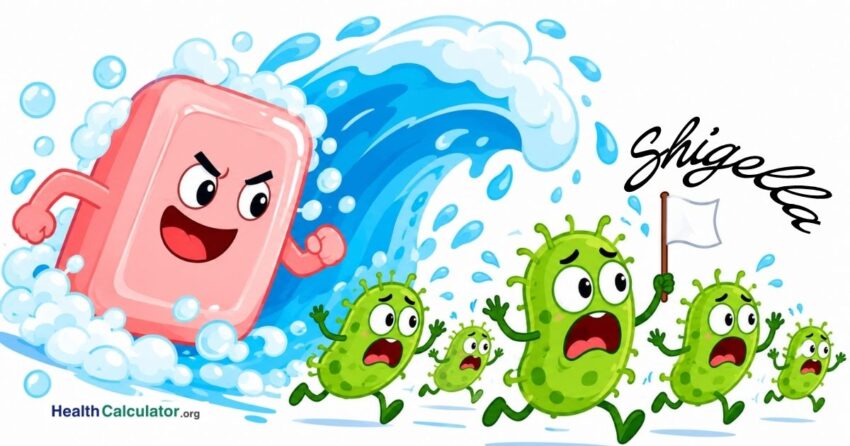
Shigella infection is a bacterial illness that causes diarrhea. It spreads through the fecal oral route. Sexual contact, especially oral anal sex, is a major way it spreads in the United States. The infection is becoming harder to treat because some strains resist multiple antibiotics. As of late September 2026, the CDC reports 13,921 cases in the US for the year. That number is on par with 2025.
If you have bloody diarrhea or diarrhea that lasts more than 3 days, see a doctor. Do not have sex until at least 2 weeks after your symptoms stop.
What Shigella Infection Actually Is
Shigella is a group of bacteria. It causes shigellosis, an infection of the digestive system. The main symptom is diarrhea, which can be bloody. People also get fever, stomach pain, and a feeling of needing to poop even when their bowels are empty.
The infection is very contagious. It takes only 10 to 200 bacteria to make someone sick. That is a tiny amount. You can get it from touching contaminated surfaces, eating contaminated food, or having sexual contact with someone who has it.
Shigella germs live in poop. They stay in poop while a person has diarrhea. They can stay in poop for up to 2 weeks after the diarrhea stops. That is why the 2 week rule matters so much.
Why People Call It Sexually Transmitted Diarrhea
For a long time, Shigella was mostly linked to contaminated food and water, travel to certain countries, and daycare centers. But since around 2000, doctors started noticing it spreading through sexual contact.
The term “sexually transmitted diarrhea” is not an official medical term. But it describes what is happening. Shigella bacteria live in poop. During sex, especially oral anal contact, tiny amounts of poop can transfer from one person to another. That is how the infection spreads.
This is not a new problem. The first case of sexually transmitted shigellosis was reported in 1974. But it has become much more common in recent years. It is now considered endemic in some communities of gay, bisexual, and other men who have sex with men.
How Common Is Shigella in the United States
The CDC estimates that about 450,000 people get shigellosis each year in the US. That makes it a leading cause of diarrheal illness.
As of September 26, 2026, the CDC reports 13,921 cases for the year. That number is similar to the 14,277 cases reported in all of 2025. So while headlines might say the infection is surging, the actual numbers show a stable trend, not a major outbreak.
But there is a bigger problem. The bacteria are becoming resistant to antibiotics.
The Rise of Drug Resistant Shigella
This is the most serious issue with Shigella right now. A CDC report from April 2026 found that extensively drug resistant strains are increasing.
Extensively drug resistant means the bacteria resist five common antibiotics. These include ampicillin, azithromycin, ceftriaxone, ciprofloxacin, and trimethoprim sulfamethoxazole. For these infections, there is no FDA approved oral antibiotic that works.
The numbers tell the story. In 2011, extensively drug resistant strains made up 0% of tested samples. By 2023, they made up 8.5%. That is a sharp increase.
Most of these resistant infections are in adult men. In the CDC analysis, 86.2% of extensively drug resistant cases with demographic data were male. Many of these men had not traveled internationally. That suggests they got the infection in their own communities.
One study in Los Angeles found a new genotype of resistant Shigella spreading in the community. Hospital workers at UCLA now see about one case of extensively drug resistant Shigella a month. In 2022, they saw just one case all year.
Who Is at Risk
Anyone can get Shigella. But some groups are at higher risk.
Gay, bisexual, and other men who have sex with men are at higher risk. This is because of sexual practices that involve contact with the anal area. Studies show that men who have sex with men are more likely to get antibiotic resistant strains.
People living with HIV can get more severe illness. The infection can spread to the blood, which is life threatening. In the CDC analysis, nearly half of extensively drug resistant cases with known HIV status were in people living with HIV. If you have HIV or another condition that weakens your immune system, you are at higher risk for severe Shigella infection. Learning ways to boost your immune system naturally can help you stay healthier overall.
Children under 5 years old are also at risk. So are people in daycare settings, people experiencing homelessness, and international travelers.
Symptoms of Shigella Infection
Symptoms usually start 1 to 2 days after exposure. They can start as early as 12 hours or as late as 4 days after.
The main symptoms include diarrhea that may be bloody, fever, stomach pain and cramping, and a feeling of needing to pass stool even when the bowels are empty.
Symptoms usually last 5 to 7 days. Some people may have symptoms for a few days. Others may have them for 4 weeks or more.
Some people do not have any symptoms at all. But they can still spread the bacteria to others.
When to See a Doctor
You should see a doctor if you have bloody diarrhea. You should also see a doctor if diarrhea lasts more than 3 days. Severe stomach pain or a fever are also reasons to get medical help.
Tell your doctor if you have a weakened immune system. This includes people with HIV or people getting chemotherapy. You may be more likely to get severely ill.
Do not use anti diarrheal medicines like Imodium or Lomotil if you have bloody diarrhea. These medicines can make symptoms worse.
If you use a symptom duration tracker, you can log how long your diarrhea lasts. That record helps your doctor decide whether you need a stool test.
Treatment for Shigella Infection
Most people get better without antibiotics in 5 to 7 days. The main treatment is to drink plenty of fluids. Rest also helps.
Bismuth subsalicylate, like Pepto Bismol, may help with symptoms. But do not use medicines that slow down your gut.
For severe cases, doctors may prescribe antibiotics. Ciprofloxacin and azithromycin are two common options. But some strains resist these drugs.
If you do take antibiotics, finish all the pills. Tell your doctor if you do not get better within a couple of days.
A dehydration risk calculator can help you estimate how much fluid you need while you recover. Diarrhea drains water and electrolytes fast, especially in severe cases.
How to Prevent Shigella Infection
Prevention is mostly about hygiene and safer sex practices.
Wash your hands with soap and water. Do this after using the bathroom, changing a diaper, and before preparing food. Also wash your hands before and after sexual activity.
If you or your partner has diarrhea, do not have sex. Wait at least 2 weeks after the diarrhea stops.
Use barriers during sex. Condoms, dental dams, and natural rubber latex sheets can help. Use them during oral and oral anal sex. Use condoms during anal and vaginal sex.
Wash sex toys with soap and water after each use. Wash your hands after touching used toys.
If you are sick, do not prepare food for others. Do not swim. Stay home from work or school if you work in healthcare, childcare, or food service.
A Personal Note on Why This Matters
We have written about health, fitness, and diseases for years. But we only started paying close attention to Shigella after a routine research session. We were updating a guide on sexually transmitted infections. We pulled the CDC data on bacterial STIs. Shigella was on the list. That stopped us. We had always thought of it as a food poisoning bug. We did not know it could spread through sex.
We dug deeper. We read a 2026 CDC report on drug resistant strains. We read case studies from Los Angeles. We talked to a nurse who works in sexual health. She told us something that stuck. Most of her patients who test positive for Shigella have no idea how they got it. They assume it was bad takeout. They never think about sexual contact. That gap in knowledge is a real problem.
What we learned changed how we write about this infection. The stigma around talking about poop and sex can stop people from getting the facts they need. Shigella is not a dirty word. It is a bacteria. It spreads through behaviors that many people engage in. Knowing the risks helps people protect themselves and their partners.
We also learned that testing matters. A stool test is the only way to know for sure. Without it, people guess. They take the wrong medicine. They keep having sex and spread it to someone else.
An immune health assessment can help people with HIV or other conditions that weaken the immune system understand their risk level. Shigella hits those groups harder. Knowing where you stand helps you act faster.
In Short
Shigella infection is a real and growing concern in the United States. The overall number of cases is stable. But the bacteria are becoming more resistant to antibiotics. This makes treatment harder, especially for people with weakened immune systems.
Sexual transmission is a major driver of these infections, particularly among men who have sex with men. Knowing the symptoms and how it spreads can help you get tested and treated early. Practicing good hygiene and safer sex can lower your risk.
If you have diarrhea that lasts more than 3 days, or if you see blood in your stool, see a doctor. Get tested. And do not have sex until at least 2 weeks after your symptoms go away.
Disclaimer- This article is for general information only. It is not medical advice. Always talk to a doctor or another qualified health provider about your symptoms or treatment. Shigella infection can be serious. Do not use this article to diagnose or treat yourself. Health guidelines and case numbers change over time. Check the CDC website for the most current information.