
health calculator
Menu
  • Home
  • Calculators
    • BMI Calculator
    • BMR Calculator
    • TDEE Calculator
    • Macro Calculator
    • Keto Calculator
    • Step Calculator for Weight Loss
    • Protein Calculator
    • Barbell Calculator
    • 1 Rep Max Calculator
    • Fitness Planner – Workout Distribution Tool
    • Workout Planner – Weekly Schedule Generator
    • Gym Workout Planner with 800+ Exercises
  • About
  • Contact us
  • How To Use
  • Blog
Menu

Tag: disease prevention

Sexually Transmitted Diarrhea Shigella Infection

Sexually Transmitted Diarrhea and Shigella Infection What to Know

Posted on October 10, 2026October 10, 2026 by healthcalculator.org

Shigella infection is a bacterial illness that causes diarrhea. It spreads through the fecal oral route. Sexual contact, especially oral anal sex, is a major way it spreads in the United States. The infection is becoming harder to treat because some strains resist multiple antibiotics. As of late September 2026, the CDC reports 13,921 cases in the US for the year. That number is on par with 2025.

If you have bloody diarrhea or diarrhea that lasts more than 3 days, see a doctor. Do not have sex until at least 2 weeks after your symptoms stop.

What Shigella Infection Actually Is

Shigella is a group of bacteria. It causes shigellosis, an infection of the digestive system. The main symptom is diarrhea, which can be bloody. People also get fever, stomach pain, and a feeling of needing to poop even when their bowels are empty.

The infection is very contagious. It takes only 10 to 200 bacteria to make someone sick. That is a tiny amount. You can get it from touching contaminated surfaces, eating contaminated food, or having sexual contact with someone who has it.

Shigella germs live in poop. They stay in poop while a person has diarrhea. They can stay in poop for up to 2 weeks after the diarrhea stops. That is why the 2 week rule matters so much.

Why People Call It Sexually Transmitted Diarrhea

For a long time, Shigella was mostly linked to contaminated food and water, travel to certain countries, and daycare centers. But since around 2000, doctors started noticing it spreading through sexual contact.

The term “sexually transmitted diarrhea” is not an official medical term. But it describes what is happening. Shigella bacteria live in poop. During sex, especially oral anal contact, tiny amounts of poop can transfer from one person to another. That is how the infection spreads.

This is not a new problem. The first case of sexually transmitted shigellosis was reported in 1974. But it has become much more common in recent years. It is now considered endemic in some communities of gay, bisexual, and other men who have sex with men.

How Common Is Shigella in the United States

The CDC estimates that about 450,000 people get shigellosis each year in the US. That makes it a leading cause of diarrheal illness.

As of September 26, 2026, the CDC reports 13,921 cases for the year. That number is similar to the 14,277 cases reported in all of 2025. So while headlines might say the infection is surging, the actual numbers show a stable trend, not a major outbreak.

But there is a bigger problem. The bacteria are becoming resistant to antibiotics.

The Rise of Drug Resistant Shigella

This is the most serious issue with Shigella right now. A CDC report from April 2026 found that extensively drug resistant strains are increasing.

Extensively drug resistant means the bacteria resist five common antibiotics. These include ampicillin, azithromycin, ceftriaxone, ciprofloxacin, and trimethoprim sulfamethoxazole. For these infections, there is no FDA approved oral antibiotic that works.

The numbers tell the story. In 2011, extensively drug resistant strains made up 0% of tested samples. By 2023, they made up 8.5%. That is a sharp increase.

Most of these resistant infections are in adult men. In the CDC analysis, 86.2% of extensively drug resistant cases with demographic data were male. Many of these men had not traveled internationally. That suggests they got the infection in their own communities.

One study in Los Angeles found a new genotype of resistant Shigella spreading in the community. Hospital workers at UCLA now see about one case of extensively drug resistant Shigella a month. In 2022, they saw just one case all year.

Who Is at Risk

Anyone can get Shigella. But some groups are at higher risk.

Gay, bisexual, and other men who have sex with men are at higher risk. This is because of sexual practices that involve contact with the anal area. Studies show that men who have sex with men are more likely to get antibiotic resistant strains.

People living with HIV can get more severe illness. The infection can spread to the blood, which is life threatening. In the CDC analysis, nearly half of extensively drug resistant cases with known HIV status were in people living with HIV. If you have HIV or another condition that weakens your immune system, you are at higher risk for severe Shigella infection. Learning ways to boost your immune system naturally can help you stay healthier overall.

Children under 5 years old are also at risk. So are people in daycare settings, people experiencing homelessness, and international travelers.

Symptoms of Shigella Infection

Symptoms usually start 1 to 2 days after exposure. They can start as early as 12 hours or as late as 4 days after.

The main symptoms include diarrhea that may be bloody, fever, stomach pain and cramping, and a feeling of needing to pass stool even when the bowels are empty.

Symptoms usually last 5 to 7 days. Some people may have symptoms for a few days. Others may have them for 4 weeks or more.

Some people do not have any symptoms at all. But they can still spread the bacteria to others.

When to See a Doctor

You should see a doctor if you have bloody diarrhea. You should also see a doctor if diarrhea lasts more than 3 days. Severe stomach pain or a fever are also reasons to get medical help.

Tell your doctor if you have a weakened immune system. This includes people with HIV or people getting chemotherapy. You may be more likely to get severely ill.

Do not use anti diarrheal medicines like Imodium or Lomotil if you have bloody diarrhea. These medicines can make symptoms worse.

If you use a symptom duration tracker, you can log how long your diarrhea lasts. That record helps your doctor decide whether you need a stool test.

Treatment for Shigella Infection

Most people get better without antibiotics in 5 to 7 days. The main treatment is to drink plenty of fluids. Rest also helps.

Bismuth subsalicylate, like Pepto Bismol, may help with symptoms. But do not use medicines that slow down your gut.

For severe cases, doctors may prescribe antibiotics. Ciprofloxacin and azithromycin are two common options. But some strains resist these drugs.

If you do take antibiotics, finish all the pills. Tell your doctor if you do not get better within a couple of days.

A dehydration risk calculator can help you estimate how much fluid you need while you recover. Diarrhea drains water and electrolytes fast, especially in severe cases.

How to Prevent Shigella Infection

Prevention is mostly about hygiene and safer sex practices.

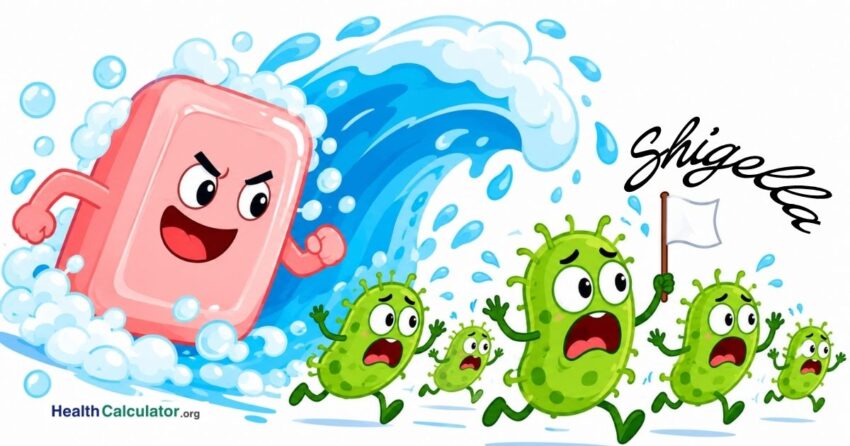
Wash your hands with soap and water. Do this after using the bathroom, changing a diaper, and before preparing food. Also wash your hands before and after sexual activity.

If you or your partner has diarrhea, do not have sex. Wait at least 2 weeks after the diarrhea stops.

Use barriers during sex. Condoms, dental dams, and natural rubber latex sheets can help. Use them during oral and oral anal sex. Use condoms during anal and vaginal sex.

Wash sex toys with soap and water after each use. Wash your hands after touching used toys.

If you are sick, do not prepare food for others. Do not swim. Stay home from work or school if you work in healthcare, childcare, or food service.

A Personal Note on Why This Matters

We have written about health, fitness, and diseases for years. But we only started paying close attention to Shigella after a routine research session. We were updating a guide on sexually transmitted infections. We pulled the CDC data on bacterial STIs. Shigella was on the list. That stopped us. We had always thought of it as a food poisoning bug. We did not know it could spread through sex.

We dug deeper. We read a 2026 CDC report on drug resistant strains. We read case studies from Los Angeles. We talked to a nurse who works in sexual health. She told us something that stuck. Most of her patients who test positive for Shigella have no idea how they got it. They assume it was bad takeout. They never think about sexual contact. That gap in knowledge is a real problem.

What we learned changed how we write about this infection. The stigma around talking about poop and sex can stop people from getting the facts they need. Shigella is not a dirty word. It is a bacteria. It spreads through behaviors that many people engage in. Knowing the risks helps people protect themselves and their partners.

We also learned that testing matters. A stool test is the only way to know for sure. Without it, people guess. They take the wrong medicine. They keep having sex and spread it to someone else.

An immune health assessment can help people with HIV or other conditions that weaken the immune system understand their risk level. Shigella hits those groups harder. Knowing where you stand helps you act faster.

In Short

Shigella infection is a real and growing concern in the United States. The overall number of cases is stable. But the bacteria are becoming more resistant to antibiotics. This makes treatment harder, especially for people with weakened immune systems.

Sexual transmission is a major driver of these infections, particularly among men who have sex with men. Knowing the symptoms and how it spreads can help you get tested and treated early. Practicing good hygiene and safer sex can lower your risk.

If you have diarrhea that lasts more than 3 days, or if you see blood in your stool, see a doctor. Get tested. And do not have sex until at least 2 weeks after your symptoms go away.


Disclaimer- This article is for general information only. It is not medical advice. Always talk to a doctor or another qualified health provider about your symptoms or treatment. Shigella infection can be serious. Do not use this article to diagnose or treat yourself. Health guidelines and case numbers change over time. Check the CDC website for the most current information.
whooping cough

What Is Whooping Cough? Complete Guide to Symptoms and Treatment

Posted on November 14, 2025November 14, 2025 by healthcalculator.org

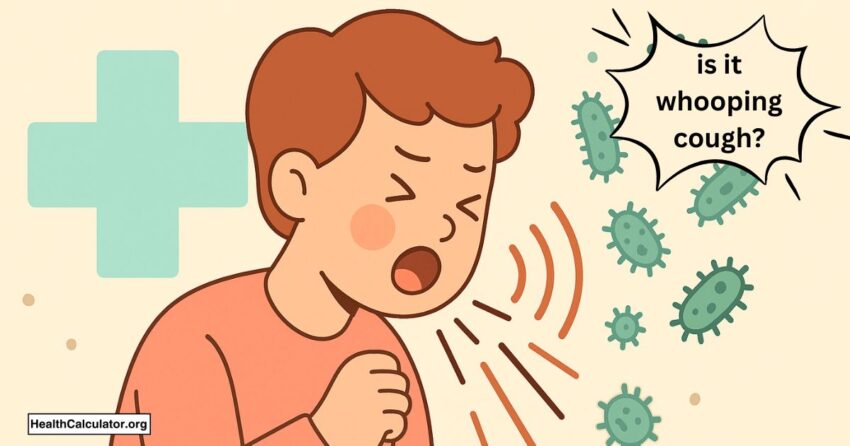
Whooping cough is a highly contagious respiratory infection caused by bacteria called Bordetella pertussis. The disease gets its name from the distinctive “whoop” sound people make when gasping for air after severe coughing fits.

Medical professionals also call it pertussis or sometimes the “100-day cough” because symptoms can last for months. While vaccines have made this disease less common, cases have been rising in recent years across many countries.

What Causes Whooping Cough

The pertussis bacteria attach to tiny hair-like structures in your upper respiratory system. Once attached, these bacteria release toxins that damage your airways and cause swelling. This leads to thick mucus buildup and the intense coughing that defines the disease.

The infection spreads through respiratory droplets. When someone with whooping cough coughs, sneezes, or even breathes near you, you can inhale the bacteria. You can also catch it by touching surfaces contaminated with these droplets and then touching your face.

People with pertussis are most contagious during the first two weeks before the severe coughing starts. This makes the disease particularly dangerous because infected people spread it before they even know they’re sick.

Recognizing Whooping Cough Symptoms

The disease typically progresses through three distinct stages. Each stage has different symptoms and can last for varying lengths of time.

Early Stage (1 to 2 weeks)

Initial whooping cough symptoms look exactly like a common cold. You might have a runny nose, mild sneezing, watery eyes, and a slight cough. Some people develop a low-grade fever, though not everyone does. During this stage, the disease is highly contagious but hard to identify.

Severe Coughing Stage (several weeks to months)

This is when the characteristic symptoms appear. The cough becomes violent and uncontrollable. These coughing fits, called paroxysms, can happen suddenly and last for minutes at a time.

After a coughing spell ends, you gasp for air and make the “whooping” sound. But not everyone makes this sound, especially babies and adults. The coughing can be so intense that it causes vomiting, extreme exhaustion, and a red or blue face from lack of oxygen.

Young infants under six months might not cough much at all. Instead, they may struggle to breathe or experience dangerous pauses in breathing called apnea. This is why pertussis whooping cough is particularly life-threatening for babies.

Coughing fits often get worse at night and can be triggered by eating, drinking, or even just lying down. Between coughing spells, you might feel completely normal.

Recovery Stage

The coughing gradually becomes less severe and happens less often. But recovery is slow. It can take months before the cough fully goes away. Even after the bacteria are gone, your damaged airways need time to heal.

Who Is at Highest Risk

Anyone can get whooping cough, but certain groups face more serious complications.

Babies under one year old who haven’t completed their vaccine series are most vulnerable. About half of infants who get pertussis need hospital care. The disease can cause pneumonia, seizures, brain damage, and even death in very young babies.

Pregnant women face higher risks of complications. Getting proper nutrition during pregnancy helps support overall immune health, though it doesn’t prevent pertussis specifically.

Adults and teenagers whose vaccine protection has faded can also get sick. Their symptoms are usually milder, but they can still spread the disease to vulnerable infants and young children. Healthcare workers and parents of newborns need to be especially careful.

People with weakened immune systems or chronic respiratory conditions like asthma may experience more severe illness regardless of their age.

How Doctors Diagnose Pertussis

Early diagnosis matters because treatment works best in the first few weeks. Doctors use several methods to confirm whooping cough.

Nose or Throat Swab

This is the most common test. A healthcare provider inserts a long swab deep into your nostril until it reaches the back of your throat. They rotate the swab for about 10 to 15 seconds to collect mucus, then test that sample for pertussis bacteria.

Sometimes doctors use a nasal wash instead. They squirt salt water into your nose and then remove the fluid with gentle suction.

Laboratory Tests

The collected sample goes to a lab for testing. A PCR test checks for bacterial DNA and gives results quickly, often within hours. This test works best during the first three weeks of coughing.

A culture test grows bacteria from your sample to identify them. This method is most accurate in the first two weeks but takes up to a week for results.

Blood Tests

Blood work can show elevated white blood cells, which indicate infection. But this doesn’t specifically diagnose whooping cough. It just tells doctors your body is fighting something.

Chest X-Ray

Doctors may order a chest X-ray to check for pneumonia or other complications in your lungs. This is especially common in severe cases or for very young patients.

Treatment Options for Whooping Cough

Treatment depends on how early the disease is caught and how severe your symptoms are.

Antibiotics

Antibiotics are the primary treatment for pertussis. They kill the bacteria and reduce how long you can spread the disease to others. Common antibiotics include azithromycin, clarithromycin, and erythromycin.

Azithromycin typically requires just three to five days of treatment. Clarithromycin and erythromycin are usually taken for seven days. These shorter courses work just as well as the older 14-day treatments but cause fewer side effects.

Antibiotics work best when started during the first one to two weeks of illness, before severe coughing begins. They can shorten the illness and make symptoms less severe. But once the intense coughing stage starts, antibiotics mainly just stop you from spreading the disease. They won’t do much for your cough at that point.

Your doctor might also prescribe preventive antibiotics if you’ve been exposed to someone with whooping cough. This is especially important for pregnant women, infants, healthcare workers, and people with health conditions that increase their risk.

Managing Symptoms

There’s no magic cure for the cough itself. Over-the-counter cough medicines don’t help with pertussis and shouldn’t be used unless your doctor specifically recommends them.

Most treatment focuses on supportive care. Get plenty of rest and drink lots of fluids to stay hydrated. Eat smaller, more frequent meals to avoid triggering coughing fits. Keep the air in your home moist with a cool-mist humidifier.

Severe cases, especially in infants, may require hospitalization. Babies might need oxygen support, intravenous fluids, or careful monitoring for breathing problems. Some need suctioning to clear thick mucus from their airways.

The Whooping Cough Vaccine

Vaccination is the most effective way to prevent pertussis. The pertussis vaccine is combined with vaccines for diphtheria and tetanus.

For Children

Children receive the DTaP vaccine in a series of five shots at ages 2 months, 4 months, 6 months, 15 to 18 months, and 4 to 6 years. This provides strong protection during the years when whooping cough is most dangerous.

For Adolescents and Adults

Preteens get a booster shot called Tdap around age 11 or 12. Adults should get a Tdap booster if they didn’t receive one as an adolescent.

Pregnant women should get a Tdap shot during each pregnancy, ideally between 27 and 36 weeks. This protects the baby during the first vulnerable months of life before they can start their own vaccine series.

Adults who spend time around infants, including grandparents, childcare providers, and healthcare workers, should also get a Tdap booster if they haven’t had one recently.

Vaccine Protection Limits

No vaccine provides perfect or permanent protection. Immunity from the whooping cough vaccine gradually fades over time. This is why boosters are necessary. You can still get pertussis even after vaccination, but your illness will typically be much milder.

Prevention Beyond Vaccination

While vaccines are crucial, other measures help reduce your risk.

Wash your hands frequently with soap and water, especially before eating and after being in public places. If someone in your household has whooping cough, limit close contact as much as possible. The infected person should stay home from work or school until they’ve completed at least five days of antibiotics.

Cover your mouth and nose when coughing or sneezing. Use a tissue or your elbow, not your hands. Throw used tissues away immediately.

During outbreaks, avoid crowded places if possible, especially with young babies. If you’re pregnant or have an infant at home, ask visitors if they’re up to date on their pertussis vaccination.

Keep your living spaces clean. Regularly disinfect frequently touched surfaces like doorknobs, light switches, and phones. Good ventilation helps too, since the bacteria spread through the air.

When to Seek Medical Care

Contact a healthcare provider if you or your child develops a persistent cough, especially one that causes vomiting, turns the face red or blue, or makes breathing difficult.

Seek emergency care immediately if a baby stops breathing, has severe breathing difficulties, or develops a bluish skin color. These are signs of life-threatening complications.

Don’t wait to get help if you’ve been exposed to someone with confirmed pertussis whooping cough. Early treatment can prevent you from getting sick or at least reduce the severity of illness.

Understanding the Current Situation

Whooping cough cases have been increasing in many parts of the world. The disease was largely controlled by vaccines for decades, which is why many people have never heard of it. But protection fades over time, and vaccination rates dropped during recent years in some areas.

Countries reporting significant increases include the United States, Brazil, Mexico, Japan, and several European nations. Public health officials emphasize that maintaining high vaccination coverage and getting booster shots remain the best defense.

The disease tends to occur in cycles, with surges every few years. Understanding whooping cough and recognizing its symptoms early helps protect yourself and those around you, especially vulnerable infants who face the highest risks.


Disclaimer- This article is provided for informational and educational purposes only. It is not intended to be a substitute for professional medical advice, diagnosis, or treatment. Always seek the advice of your physician or other qualified healthcare provider with any questions you may have regarding a medical condition. Never disregard professional medical advice or delay seeking it because of something you have read on this website.

🧮 Our Health Tools

📊 Smart BMI Calculator → 🔥 BMR Calculator → ⚡ TDEE Calculator → 🥗 Macro Calculator → 🥑 Keto Calculator → 👟 Step Calculator for Weight Loss → 🏋️ Barbell Calculator → 💪 1 Rep Max Calculator → 🍗 Protein Calculator →


Health Calculator
Free and accurate online tools for tracking your body stats, diet, and health — all in one place.

Latest Posts

  • Sexually Transmitted Diarrhea and Shigella Infection What to Know
  • Top 10 Melatonin Rich Foods for Better Sleep
  • Xylitol Artificial Sweetener: Is It Good for You? What Science Says
  • How to Prevent Muscle Loss During Rapid Weight Loss
  • Collagen Gummies: Benefits, Side Effects, and What to Know Before You Buy

Links

  • About
  • Contact us
  • Privacy Policy
  • Terms & Conditions
  • Disclaimer
  • How to Use
  • Blog

Calculator

  • BMI Calculator
  • BMR Calculator
  • TDEE Calculator
  • Macro Calculator
  • Keto Calculator
  • Step Calculator for Weight Loss
  • Protein Calculator
  • 1 Rep Max Calculator
  • Barbell Calculator
  • Fitness Planner – Workout Distribution Tool
  • Workout Planner – Weekly Schedule Generator
  • Gym Workout Planner with 800+ Exercises
  • Instagram
  • Facebook
  • YouTube
© 2026 Health Calculator | Powered by Minimalist Blog WordPress Theme