health calculator
Menu
  • Home
  • Calculators
    • BMI Calculator
    • BMR Calculator
    • TDEE Calculator
    • Macro Calculator
    • Keto Calculator
    • Step Calculator for Weight Loss
    • Protein Calculator
    • Barbell Calculator
    • 1 Rep Max Calculator
    • Fitness Planner – Workout Distribution Tool
    • Workout Planner – Weekly Schedule Generator
    • Gym Workout Planner with 800+ Exercises
  • About
  • Contact us
  • How To Use
  • Blog
Menu

Tag: Healthy Eating

Collagen gummies

Collagen Gummies: Benefits, Side Effects, and What to Know Before You Buy

Posted on June 15, 2026June 15, 2026 by healthcalculator.org

Collagen gummies are everywhere right now. Walk into any pharmacy or scroll through any wellness brand’s page and you’ll find them stacked next to vitamins and biotin bottles. People buy them hoping for better skin, stronger nails, and healthier joints.

But do they actually work? And are they worth your money?

Here’s an honest look at what collagen gummies do, what the science says, and what to watch out for before picking a bottle off the shelf.

What Is Collagen and Why Does It Matter

Collagen is a protein. It’s the most abundant protein in your body and it holds your skin, bones, tendons, and connective tissues together. Think of it as the structural glue that keeps everything firm and flexible.

Your body produces collagen on its own, but that production starts to slow down in your mid-20s. By the time you’re in your 30s and 40s, the drop becomes visible. Skin starts losing its elasticity, joints feel stiffer, and nails become more brittle.

That’s where collagen supplements come in.

What Are Collagen Gummies

Collagen gummies are chewable supplements that contain hydrolyzed collagen, also called collagen peptides. Hydrolyzed means the collagen has been broken down into smaller chains of amino acids so the body can absorb it more easily.

They’re essentially the same as collagen powders or capsules but in a gummy format. People prefer them because they’re easy to take, taste better than powders, and feel more like a snack than a supplement.

The trade-off is that most gummies contain far less collagen per serving than powders. A typical gummy product delivers around 100 to 200mg of collagen per serving, while a powder scoop can give you 10 to 15 grams. That’s a significant gap, and it matters when you look at the dosage research.

What the Science Actually Says About Benefits

There’s a fair amount of research on collagen supplements in general. Some of it is promising. Some of it is mixed. Here’s where things stand.

Skin Health
Multiple randomized controlled trials show that collagen supplementation can improve skin elasticity, hydration, and wrinkle depth after 8 to 12 weeks of consistent use. A 2025 study found measurable improvements in wrinkle depth and dermal density in participants who took collagen peptides daily.

That said, a 2025 meta-analysis raised a flag. When researchers filtered out industry-funded studies and kept only high-quality independent trials, the benefits for skin aging were not as strong. So while the overall picture leans positive, it’s not a done deal. Results vary, and the quality of the supplement matters.

Joint and Bone Support
The evidence for joint health is more consistent. Research shows around 10 grams daily can reduce joint pain and improve physical function, particularly for people with knee osteoarthritis. For those with mild joint stiffness or age-related discomfort, collagen supplementation appears to genuinely help.

Hair and Nails
This area has less direct clinical research but collagen does provide amino acids like glycine and proline that support keratin production. Many users report stronger nails and reduced breakage. It’s a reasonable benefit to expect but the evidence here is mostly observational.

How Much Collagen Do You Actually Need

Research suggests adults can safely take between 2.5 and 15 grams of collagen peptides per day. For skin benefits, studies generally use 3 to 5 grams daily. For joint health, around 10 grams is more commonly studied.

The problem with many collagen gummies is that they fall well short of these numbers. If a gummy gives you 150mg per serving and the studied dose for skin is 2,500mg, you’d need to eat a lot of gummies to get there. Always check the collagen content per serving before assuming a product is effective.

Ingredients Worth Paying Attention To

Not all collagen gummies are the same. Here’s what to look for when reading the label.

Source of collagen – Marine collagen (from fish) is predominantly Type I, which is the type most associated with skin and hair. Bovine collagen (from cattle) contains both Type I and Type III. Both are effective but marine collagen is considered more bioavailable by some researchers.

Vitamin C – Vitamin C plays a direct role in collagen synthesis. If a product includes it, that’s a genuine plus. Your body uses Vitamin C to convert collagen precursors into functional collagen.

Biotin and Zinc – These are commonly added for hair and nail support and are well-supported nutrients in their own right.

Sugar content – Many gummies use glucose syrup and added sugars to make them taste good. High sugar in a daily supplement is worth keeping in mind, especially if you’re watching your intake.

Additives – Avoid products with artificial dyes like Red 40 or Yellow 5. These don’t contribute anything and some people react to them.

Possible Side Effects

Collagen gummies are generally safe for most adults. But side effects do happen.

The most common ones include mild digestive discomfort, bloating, and loose stools, especially in the first week or two. These often settle once your body adjusts.

Less common side effects can include headaches, skin breakouts, or a bad taste in the mouth. One study found that around 57% of users reported at least one side effect, with digestive issues being the most frequent.

People with allergies to fish, shellfish, or eggs should pay close attention to the collagen source. Marine collagen in particular can trigger reactions in those with fish allergies. And if you have any existing liver or kidney conditions, talk to a doctor before adding collagen supplements to your routine since very high collagen intake over time has been associated with kidney stone risk and in rare cases, liver issues.

Pregnant or breastfeeding women should check with their doctor first. Research in this specific group is limited.

Collagen Gummies vs Powder vs Capsules

GummiesPowderCapsules
Collagen per serving100–500mg (low)5–15g (high)1–3g (moderate)
TasteGoodNeutral to blandTasteless
Sugar contentOften highNone to lowNone
ConvenienceVery easyNeeds mixingEasy
Cost per gram of collagenHigherLowerModerate

If your main goal is therapeutic benefit from a research-backed dose, powder is the most practical format. Gummies are a great entry point if you struggle to stick to a supplement routine or just prefer the experience.

What to Realistically Expect

Collagen gummies aren’t a quick fix. If you take them consistently, at a decent dose, and give it 8 to 12 weeks, there’s a reasonable chance you’ll notice some improvement in skin hydration and nail strength.

But they won’t reverse aging, regrow hair overnight, or eliminate joint pain completely. Supplements work best as part of a wider approach that includes a protein-rich diet, hydration, sun protection, and regular movement.

Your body also needs adequate protein from food to produce collagen naturally. You can check your daily protein needs using a daily protein needs calculator to understand how much you should be getting from your overall diet.

How to Choose a Good Collagen Gummy

A few practical things to check before buying.

Look for products that clearly list the collagen content in milligrams or grams, not just as part of a proprietary blend. Third-party testing or certification (like NSF or USP) is a good sign. Avoid products where the ingredient list is mostly sugar and fillers with collagen buried near the bottom.

Brands that specify the collagen source (bovine, marine) and the type (Type I, II, or III) are being more transparent than those that just say “collagen complex.”

For more information on the research behind collagen supplementation, Harvard Health has a solid overview of collagen supplements and skin health that’s worth reading.


Disclaimer: This article is for informational purposes only. Consult a healthcare professional before starting any new supplement, especially if you have underlying health conditions or take medications.

Mullein Tea

Mullein Tea Benefits: How This Herbal Remedy Supports Lung Health

Posted on January 20, 2026January 20, 2026 by healthcalculator.org

Mullein tea has been gaining attention as a natural remedy for respiratory health. If you’ve been hearing about this herb lately, you’re not alone. Search interest has jumped significantly in 2026, and new herbal products featuring mullein keep appearing on shelves.

But what makes mullein tea special? And does the science actually support the health claims?

This guide covers everything you need to know about mullein, from its traditional uses to modern research findings.

What Is Mullein?

Mullein comes from a plant called Verbascum thapsus. It grows wild across North America, Europe, and Asia. The plant is easy to spot with its tall stalks (sometimes reaching 7 feet), soft fuzzy leaves, and bright yellow flowers.

People have used mullein for over 2,000 years in traditional medicine. Ancient Greeks used it for lung problems. Native Americans made tea from the leaves to treat respiratory issues. European herbalists prescribed it for coughs and congestion.

The leaves are the most commonly used part of the plant. When dried and steeped in hot water, they create mullein tea. You can also find mullein in capsules, tinctures, and extracts.

Why Mullein Is Trending Now

Several factors explain why mullein has become so popular recently.

First, people are increasingly interested in natural health remedies. The shift away from synthetic medications has created demand for herbal alternatives. Mullein fits perfectly into this trend.

Second, respiratory health became a major focus for many people in recent years. More individuals are looking for ways to support their lungs naturally. Mullein has a long history of use for exactly this purpose.

Third, the herbal supplement market has expanded. New companies are launching products that feature mullein as a key ingredient. Social media posts highlighting its benefits have also spread awareness.

Social media posts highlighting its benefits have also spread awareness. Recent posts show people sharing their experiences with mullein for lung health.

View this post on Instagram

Main Health Benefits of Mullein Tea

Respiratory Support

Mullein tea is best known for helping with breathing and lung function. The herb works in two main ways.

It acts as an expectorant. This means it helps loosen mucus in your airways. When mucus becomes less thick, it’s easier to cough up and clear out. This can bring relief if you’re dealing with congestion.

Mullein also contains mucilage. This is a gel-like substance that coats and soothes irritated tissues in your throat and lungs. Think of it as a protective layer that calms inflammation.

Studies have found that mullein may help with several respiratory conditions. These include bronchitis, asthma, coughs, and general congestion. Some people use it during cold and flu season as a preventive measure.

Anti-Inflammatory Effects

Inflammation in the respiratory tract makes breathing difficult. Mullein contains compounds that may reduce this inflammation.

The flavonoids in mullein (like quercetin and kaempferol) have anti-inflammatory properties. These compounds help calm swollen tissues throughout the body, not just in the lungs.

If you’re managing a condition that involves chronic inflammation, mullein tea might offer some support. But it shouldn’t replace medical treatment for serious inflammatory conditions.

Antimicrobial Properties

Research shows that mullein has antibacterial and antiviral effects. Laboratory studies found that mullein extracts can fight several types of harmful bacteria. These include pneumonia bacteria, staph infections, and E. coli.

Some research also suggests mullein may slow down influenza viruses. The herb contains compounds that interfere with viral replication.

This antimicrobial activity is one reason people reach for mullein tea when they feel a cold coming on. It may help your body fight off infections more effectively.

Digestive Health

While mullein is famous for lung support, it may also benefit your digestive system.

The mucilage that soothes your respiratory tract can do the same for your stomach and intestines. It may help calm irritation in the digestive lining.

Some people use mullein tea for mild digestive complaints like bloating or occasional constipation. The herb has gentle laxative properties that can support regular bowel movements.

Skin and Wound Healing

Mullein contains antioxidants that protect cells from damage. These same compounds may support skin health.

Traditionally, people applied mullein oil or poultices to wounds, burns, and skin conditions like eczema. The anti-inflammatory and antimicrobial properties could explain why this worked.

While you’re more likely to drink mullein as tea, some people still use it topically for skin issues.

Active Compounds in Mullein

Understanding what’s in mullein helps explain how it works.

Mucilage creates that soothing, coating effect. When you drink mullein tea, this substance covers irritated tissues in your throat and respiratory tract.

Saponins are responsible for the expectorant action. They help break down thick mucus so your body can expel it more easily.

Flavonoids like quercetin, kaempferol, and luteolin provide antioxidant and anti-inflammatory benefits. These compounds protect your cells and reduce swelling.

Iridoids and phenolic compounds contribute to mullein’s antimicrobial effects. They help fight bacteria and viruses.

Together, these compounds create mullein’s overall health effects.

What Does the Research Say?

Most traditional uses of mullein have some scientific backing, but we need more human studies.

Laboratory research confirms that mullein has anti-inflammatory, antimicrobial, and antioxidant properties. Animal studies show promise for respiratory support.

The challenge is that few large-scale human clinical trials exist. Most evidence comes from traditional use, smaller studies, and laboratory research.

This doesn’t mean mullein doesn’t work. It means the scientific community hasn’t fully studied it yet with rigorous clinical trials. Many traditional remedies eventually gain research support as scientists investigate them further.

Medical professionals generally recognize mullein as safe for most people when used appropriately. But they also recommend consulting with a doctor before using it for specific health conditions.

How to Use Mullein Tea

Making mullein tea is straightforward.

Use 1-2 teaspoons of dried mullein leaves per cup of water. Bring water to a boil, then pour it over the leaves. Let it steep for 10-15 minutes. Strain the tea carefully through a fine mesh strainer or cheesecloth.

The straining step is important. Mullein leaves have tiny hairs that can irritate your throat if you don’t filter them out properly.

You can drink mullein tea 2-3 times per day. Some people add honey or lemon to improve the taste.

For respiratory issues, many people drink mullein tea when symptoms appear. Others use it preventively during winter months when colds are common.

Mullein is also available in other forms. Capsules offer a convenient option if you don’t like tea. Tinctures provide a concentrated liquid extract. These forms may have different dosing instructions, so follow the product label.

If you prefer a visual guide, this video walks through the entire process from harvesting to brewing.

Timing and Lifestyle Integration

Mullein tea works well as part of a broader wellness approach.

If you’re focused on overall health, consider how mullein fits with other healthy habits. Maintaining a balanced diet supports your immune system. Regular exercise improves lung capacity and respiratory function. Getting enough sleep helps your body fight infections.

For those tracking their fitness and health metrics, tools like a BMR calculator can help you understand your baseline metabolic rate. This gives you insight into how your body uses energy, which connects to overall wellness.

Staying active also supports respiratory health. If you’re working on fitness goals, a workout planner can help you create a routine that improves lung capacity through cardiovascular exercise.

Mullein tea complements these efforts. It’s not a replacement for healthy lifestyle choices, but rather an addition to them.

Safety and Side Effects

Mullein is generally safe for most adults when used properly.

Some people may experience mild side effects like stomach upset or skin irritation (if applied topically). These effects are uncommon.

Pregnant or breastfeeding women should talk to a healthcare provider before using mullein. There isn’t enough research to confirm safety during pregnancy.

If you take prescription medications, check with your doctor or pharmacist. Mullein might interact with certain drugs, though significant interactions are rare.

People with allergies to plants in the Scrophulariaceae family should avoid mullein.

Always buy mullein from reputable sources. Quality matters with herbal products. Look for organic products when possible to avoid pesticide residues.

Who Might Benefit Most

Mullein tea may be particularly helpful for certain groups.

If you deal with seasonal respiratory issues like allergies or frequent colds, mullein could offer support during those times.

People with chronic respiratory conditions like asthma or bronchitis sometimes use mullein as a complementary approach. Remember that it shouldn’t replace prescribed medications without medical guidance.

Smokers or former smokers looking to support lung health might find mullein beneficial. The expectorant properties help clear accumulated mucus.

Anyone interested in natural wellness options may want to try mullein tea as part of their routine.

Realistic Expectations

Mullein isn’t a miracle cure. Set reasonable expectations about what it can do.

For mild respiratory symptoms like a light cough or minor congestion, mullein tea may bring noticeable relief. You might feel your airways open up and mucus become easier to clear.

For more serious conditions, mullein works best alongside conventional treatment. It can complement medical care but shouldn’t be your only intervention.

Some people notice benefits quickly. Others need to use mullein regularly for a week or two before seeing results. Individual responses vary.

If your symptoms worsen or don’t improve after a reasonable time, see a healthcare provider. Persistent coughs, difficulty breathing, or chest pain need medical evaluation.

Mullein in the Bigger Picture

The growing interest in mullein reflects a broader shift in how people think about health.

More individuals want to take an active role in their wellness. They’re looking beyond pharmaceutical options to include traditional remedies that cultures have used for centuries.

This doesn’t mean rejecting modern medicine. The best approach often combines conventional care with evidence-based natural remedies.

Mullein tea represents this balanced approach. It has traditional use, some scientific support, and a good safety profile. These factors make it worth considering for respiratory and general wellness support.

Final Thoughts

Mullein tea offers a time-tested natural option for supporting respiratory health. The herb contains compounds that help loosen mucus, soothe irritated airways, and fight infections.

While more human research would strengthen the evidence, existing studies and centuries of traditional use suggest mullein is worth trying. It’s safe for most people and offers multiple potential benefits beyond just lung support.

If you’re dealing with respiratory issues or want to support your overall wellness naturally, mullein tea is an accessible option. Just remember to use it as part of a comprehensive health approach that includes good nutrition, regular exercise, and appropriate medical care when needed.

The current surge in mullein’s popularity makes sense. People are rediscovering an herb that has helped countless individuals throughout history. Whether you’re looking for cold season support or general wellness, mullein tea deserves consideration.


Disclaimer: This article is for informational purposes only and does not constitute medical advice. Consult with a qualified healthcare professional before using mullein tea or any herbal remedy, especially if you have existing health conditions, are pregnant or breastfeeding, or take prescription medications.

Healthy Thanksgiving Dinner

Healthy Thanksgiving Dinner: 15 Recipes with Calorie Counts

Posted on November 24, 2025November 24, 2025 by healthcalculator.org

The average Thanksgiving meal contains 3,000 calories and 229 grams of fat. That’s more than most people need in an entire day. According to the American Council on Exercise, a 160-pound person would need to run for four hours straight to burn off a traditional holiday dinner.

But you don’t have to choose between enjoying Thanksgiving and staying healthy. You can cut hundreds of calories from your holiday meal without sacrificing flavor or tradition. These 15 healthy Thanksgiving dishes prove it.

Traditional vs Healthy Holiday Meal Comparison

Here’s what a typical Thanksgiving plate looks like compared to healthier versions:

DishTraditional CaloriesHealthy Version CaloriesCalories Saved
Turkey (8 oz with skin)480190 (no skin)290
Mashed Potatoes (1 cup)23814098
Stuffing (1 cup)363200163
Gravy (1/2 cup)17850128
Green Bean Casserole (1 cup)1439053
Sweet Potato Casserole (1 cup)27618096
Cranberry Sauce (1/2 cup)209100109
Pumpkin Pie (1 slice)323210113
Total2,2101,1601,050

You can save over 1,000 calories just by making smarter choices. The Calorie Control Council tracks nutritional data for popular holiday dishes and confirms these traditional meal totals.

Planning Your Healthy Thanksgiving Menu

Start by calculating how many calories you actually need. Use our TDEE Calculator to find your daily calorie target based on your age, weight, and activity level. Then use the Macro Calculator to determine how much protein, carbs, and fat you should eat.

Most adults need between 1,600 and 2,400 calories per day. If your Thanksgiving meal alone contains 3,000 calories, you’ve already exceeded your needs by 50% or more.​

The recipes below give you complete nutritional information so you can plan ahead. Each includes calories, protein, carbs, and fat per serving.

Healthy Thanksgiving Main Dish

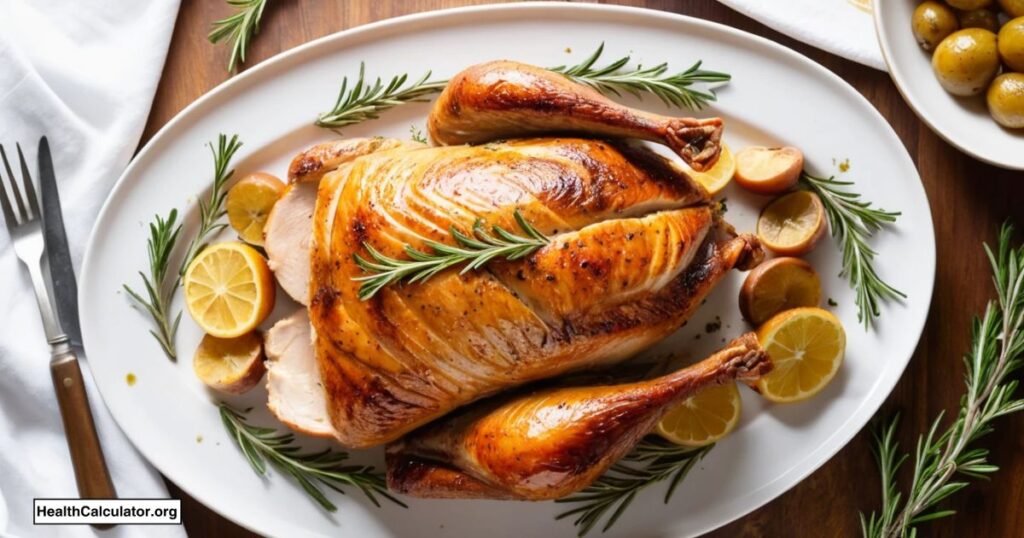
1. Herb Roasted Turkey Breast

Herb Roasted Turkey Breast

Turkey is naturally lean protein when you skip the skin. Dark meat contains more fat, so focus on white meat for the lowest calories.​

Ingredients:

  • 1 (6-pound) bone-in turkey breast
  • 2 tablespoons olive oil
  • 2 tablespoons fresh rosemary, chopped
  • 2 tablespoons fresh thyme, chopped
  • 1 tablespoon fresh sage, chopped
  • 4 cloves garlic, minced
  • 1 teaspoon sea salt
  • 1/2 teaspoon black pepper
  • 1 lemon, zested
  • 1 cup low-sodium chicken broth

Instructions:

  1. Preheat oven to 350°F.
  2. Mix olive oil, herbs, garlic, salt, pepper, and lemon zest in a small bowl.
  3. Pat turkey breast dry with paper towels. Rub herb mixture all over turkey, including under the skin.
  4. Place turkey in a roasting pan. Pour chicken broth into the bottom of the pan.
  5. Roast for 1.5 to 2 hours, or until internal temperature reaches 165°F. Baste every 30 minutes with pan juices.
  6. Let rest 15 minutes before carving. Remove skin before serving.

Nutrition per 4 oz serving: 190 calories, 35g protein, 0g carbs, 6g fat​

Compare this to turkey with skin at 480 calories for 8 ounces. Removing the skin saves about 30 calories per serving.​

Healthy Thanksgiving Side Dishes

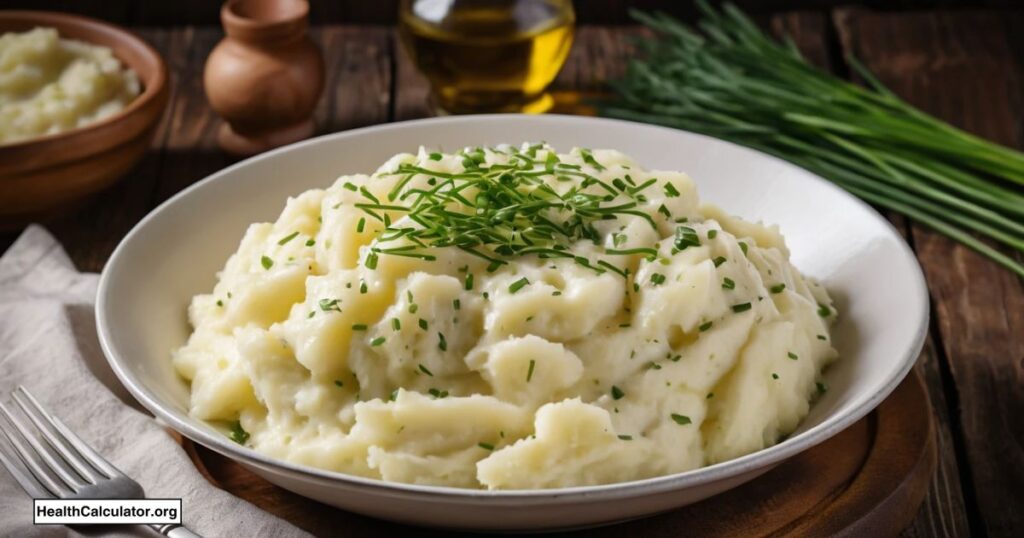
2. Olive Oil Mashed Potatoes

Olive Oil Mashed Potatoes

Traditional mashed potatoes get their creaminess from butter and heavy cream. This version uses olive oil and chicken broth instead, cutting calories in half.​

Ingredients:

  • 3 pounds Yukon gold potatoes, peeled and quartered
  • 1/4 cup extra virgin olive oil
  • 1/2 cup low-sodium chicken broth, warmed
  • 4 cloves roasted garlic
  • 1 teaspoon sea salt
  • 1/4 teaspoon white pepper
  • 2 tablespoons fresh chives, chopped

Instructions:

  1. Boil potatoes in salted water until tender, about 20 minutes.
  2. Drain potatoes and return to pot.
  3. Add olive oil, warm broth, and roasted garlic.
  4. Mash until smooth but still slightly chunky.
  5. Season with salt and pepper. Stir in chives.

Nutrition per 1 cup serving: 140 calories, 3g protein, 22g carbs, 5g fat​

Traditional mashed potatoes contain 238 calories per cup. This recipe saves nearly 100 calories per serving.​

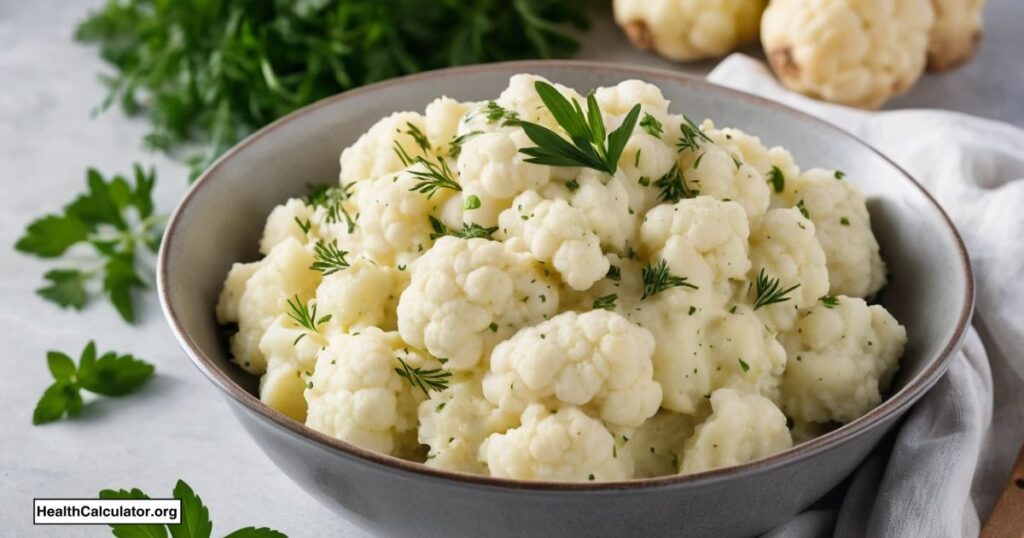
3. Cauliflower and Potato Mash

Cauliflower and Potato Mash

Cut even more calories by replacing half the potatoes with cauliflower. Most people can’t taste the difference.​

Ingredients:

  • 1.5 pounds Yukon gold potatoes, peeled and cubed
  • 1 medium head cauliflower, cut into florets
  • 3 tablespoons olive oil
  • 1/4 cup unsweetened almond milk
  • 3 cloves garlic, minced
  • 1 teaspoon sea salt
  • 1/4 teaspoon black pepper

Instructions:

  1. Boil potatoes and cauliflower together until tender, about 15 minutes.
  2. Drain well and return to pot.
  3. Add olive oil, almond milk, and garlic.
  4. Mash until smooth.
  5. Season with salt and pepper.

Nutrition per 1 cup serving: 110 calories, 3g protein, 16g carbs, 4g fat​

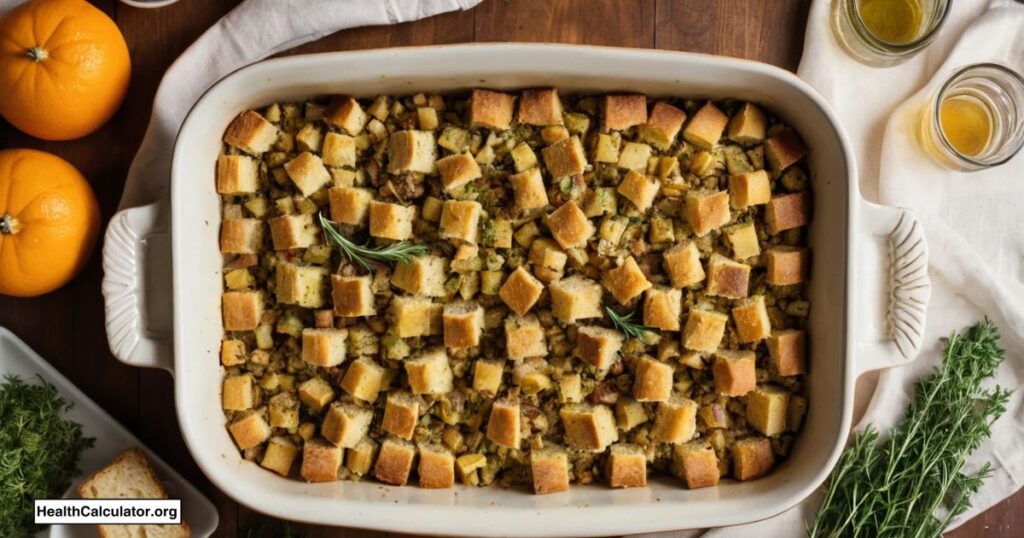
4. Herb and Citrus Stuffing

Herb and Citrus Stuffing

Traditional bread stuffing absorbs butter like a sponge. This version uses vegetable broth and olive oil for moisture.​

Ingredients:

  • 12 cups whole wheat bread, cubed and dried overnight
  • 2 tablespoons olive oil
  • 1 large onion, diced
  • 3 celery stalks, diced
  • 2 carrots, diced
  • 4 cloves garlic, minced
  • 2 cups low-sodium vegetable broth
  • 1/4 cup fresh parsley, chopped
  • 2 tablespoons fresh sage, chopped
  • 1 tablespoon fresh thyme
  • Zest and juice of 1 orange
  • 1 teaspoon sea salt
  • 1/2 teaspoon black pepper

Instructions:

  1. Preheat oven to 350°F. Grease a 9×13 baking dish.
  2. Heat olive oil in a large skillet. Sauté onion, celery, and carrots until soft, about 8 minutes.
  3. Add garlic and cook 1 minute more.
  4. Transfer vegetables to a large bowl. Add bread cubes, broth, herbs, orange zest, orange juice, salt, and pepper. Toss until bread is moistened.
  5. Transfer to baking dish. Cover with foil.
  6. Bake 30 minutes. Remove foil and bake 15 more minutes until top is golden.

Nutrition per 1 cup serving: 200 calories, 6g protein, 36g carbs, 4g fat​

Traditional cornbread stuffing has 363 calories per cup. This saves 163 calories per serving.​

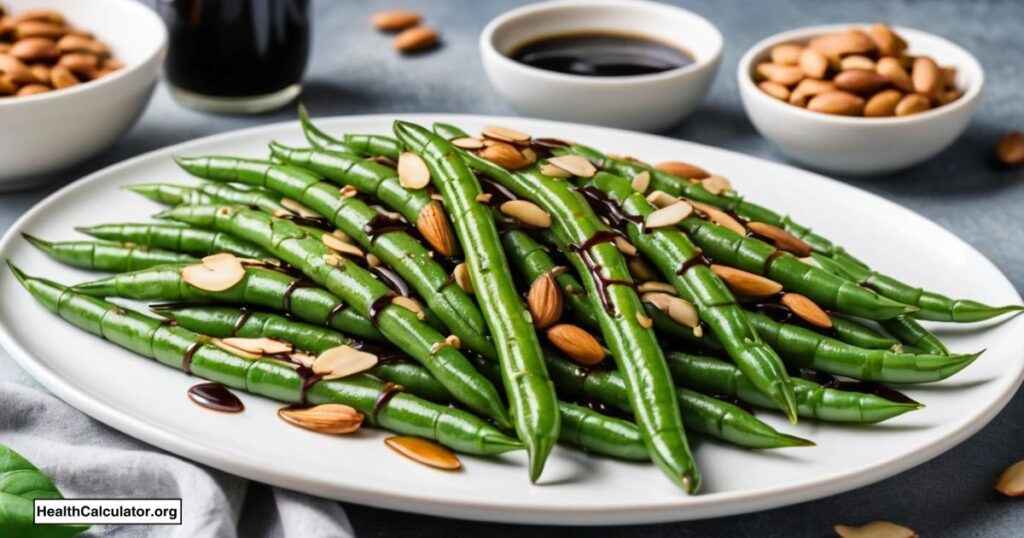
5. Balsamic Roasted Green Beans

Balsamic Roasted Green Beans

Skip the canned soup and fried onions. Fresh green beans roasted with balsamic vinegar taste better and save calories.​

Ingredients:

  • 2 pounds fresh green beans, trimmed
  • 2 tablespoons olive oil
  • 2 tablespoons balsamic vinegar
  • 3 cloves garlic, minced
  • 1/2 teaspoon sea salt
  • 1/4 teaspoon black pepper
  • 1/4 cup sliced almonds, toasted

Instructions:

  1. Preheat oven to 425°F. Line a baking sheet with parchment paper.
  2. Toss green beans with olive oil, vinegar, garlic, salt, and pepper.
  3. Spread in a single layer on baking sheet.
  4. Roast 20 minutes, stirring halfway through.
  5. Top with toasted almonds before serving.

Nutrition per 1 cup serving: 90 calories, 3g protein, 10g carbs, 5g fat​

Traditional green bean casserole has 143 calories per cup.​

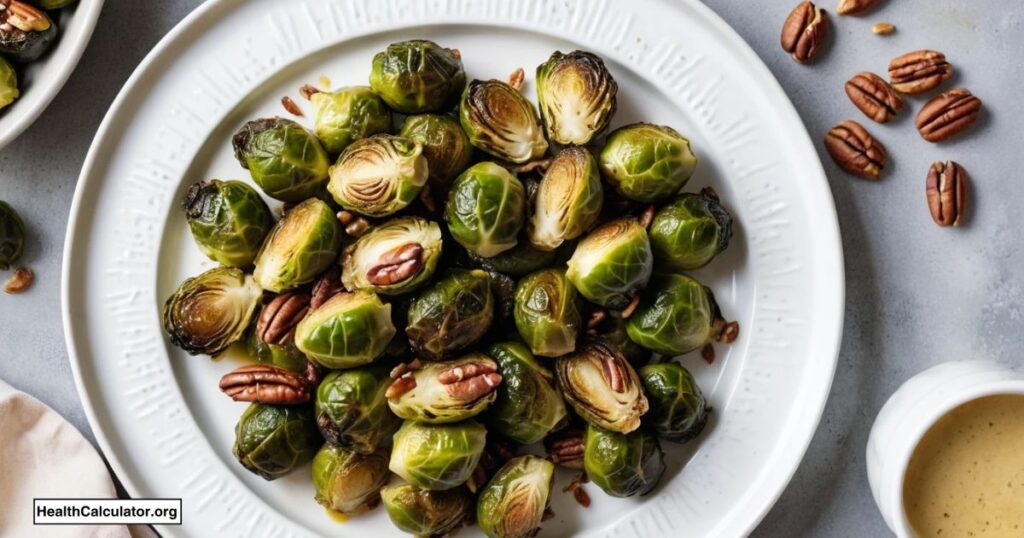
6. Roasted Brussels Sprouts with Pecans

Roasted Brussels Sprouts with Pecans

Brussels sprouts become sweet and crispy when roasted at high heat.​

Ingredients:

  • 2 pounds Brussels sprouts, trimmed and halved
  • 2 tablespoons olive oil
  • 1/2 teaspoon sea salt
  • 1/4 teaspoon black pepper
  • 1/3 cup pecans, roughly chopped
  • 2 tablespoons pure maple syrup
  • 1 tablespoon Dijon mustard
  • 1 tablespoon apple cider vinegar

Instructions:

  1. Preheat oven to 400°F. Line a baking sheet with parchment paper.
  2. Toss Brussels sprouts with olive oil, salt, and pepper.
  3. Spread cut-side down on baking sheet.
  4. Roast 25 minutes until golden and crispy.
  5. While sprouts roast, mix maple syrup, mustard, and vinegar in a small bowl.
  6. Transfer roasted sprouts to a serving bowl. Toss with maple mixture and pecans.

Nutrition per 1 cup serving: 130 calories, 4g protein, 16g carbs, 7g fat​

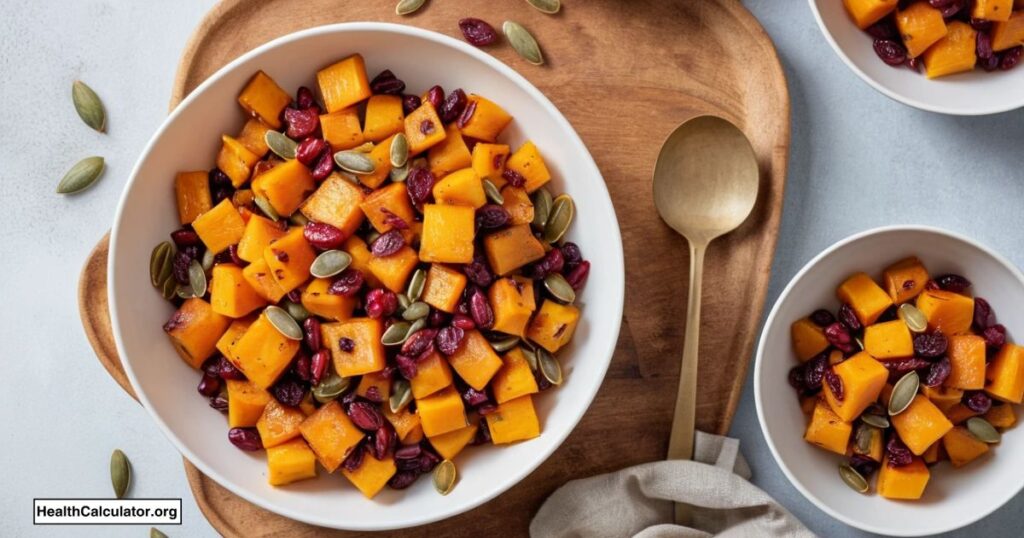
7. Maple Roasted Butternut Squash

Maple Roasted Butternut Squash

Winter squash adds color, fiber, and vitamins A and C to your holiday table.​

Ingredients:

  • 1 large butternut squash (about 3 pounds), peeled and cubed
  • 2 tablespoons olive oil
  • 2 tablespoons pure maple syrup
  • 1 teaspoon cinnamon
  • 1/2 teaspoon nutmeg
  • 1/2 teaspoon sea salt
  • 1/4 cup dried cranberries
  • 1/4 cup pumpkin seeds

Instructions:

  1. Preheat oven to 400°F. Line a baking sheet with parchment paper.
  2. Toss squash with olive oil, maple syrup, cinnamon, nutmeg, and salt.
  3. Spread in a single layer on baking sheet.
  4. Roast 30 minutes, stirring halfway through, until tender and caramelized.
  5. Top with dried cranberries and pumpkin seeds before serving.

Nutrition per 1 cup serving: 150 calories, 3g protein, 28g carbs, 5g fat​

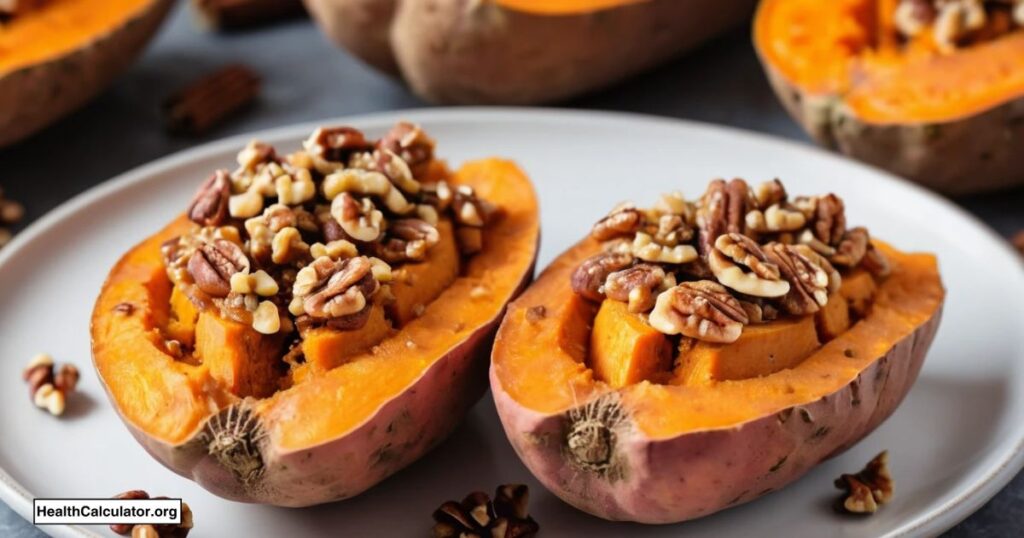
8. Baked Sweet Potatoes with Cinnamon

Baked Sweet Potatoes with Cinnamon

Sweet potatoes are naturally sweet and loaded with fiber. Skip the marshmallow topping and let their natural flavor shine.​

Ingredients:

  • 6 medium sweet potatoes
  • 2 tablespoons coconut oil, melted
  • 2 teaspoons cinnamon
  • 1/4 teaspoon sea salt
  • 1/4 cup chopped walnuts

Instructions:

  1. Preheat oven to 400°F. Line a baking sheet with parchment paper.
  2. Pierce sweet potatoes several times with a fork. Place on baking sheet.
  3. Bake 45-60 minutes until very tender.
  4. Cut open and fluff flesh with a fork.
  5. Drizzle with coconut oil and sprinkle with cinnamon, salt, and walnuts.

Nutrition per potato: 180 calories, 3g protein, 32g carbs, 5g fat​

Traditional sweet potato casserole has 276 calories per cup.​

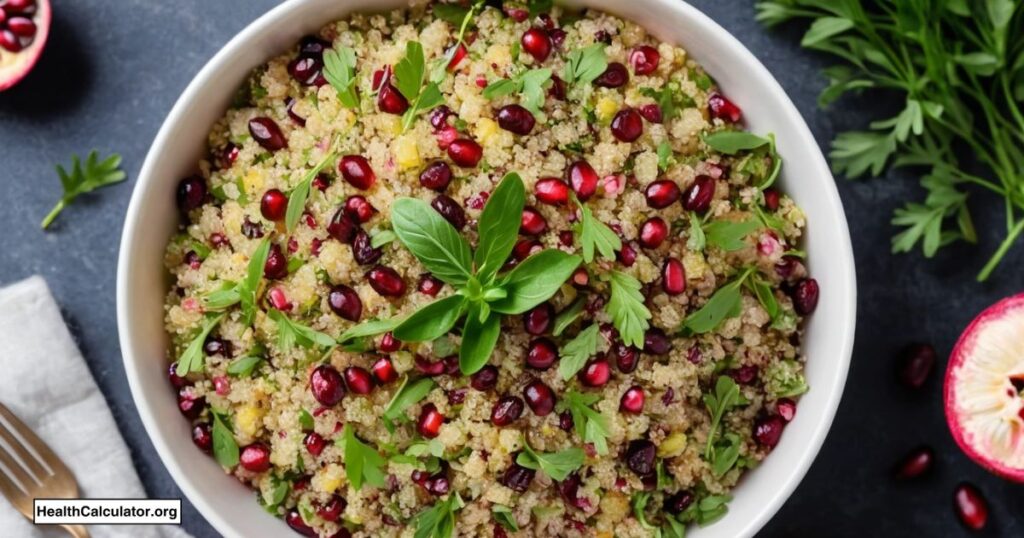
9. Quinoa and Herb Salad

Quinoa and Herb Salad

Add protein and fiber with a grain salad that works for vegetarians too.​

Ingredients:

  • 2 cups quinoa, cooked and cooled
  • 1 cup pomegranate seeds
  • 1/2 cup dried cranberries
  • 1/2 cup pecans, toasted and chopped
  • 1/4 cup fresh parsley, chopped
  • 1/4 cup fresh mint, chopped
  • 1/4 cup olive oil
  • 3 tablespoons fresh lemon juice
  • 1 tablespoon honey
  • 1/2 teaspoon sea salt
  • 1/4 teaspoon black pepper

Instructions:

  1. Combine quinoa, pomegranate seeds, cranberries, pecans, parsley, and mint in a large bowl.
  2. Whisk together olive oil, lemon juice, honey, salt, and pepper.
  3. Pour dressing over salad and toss well.
  4. Chill at least 30 minutes before serving.

Nutrition per 1 cup serving: 210 calories, 5g protein, 28g carbs, 9g fat​

Use our Protein Calculator to make sure you’re getting enough protein throughout the day, especially if you’re serving multiple vegetarian dishes.

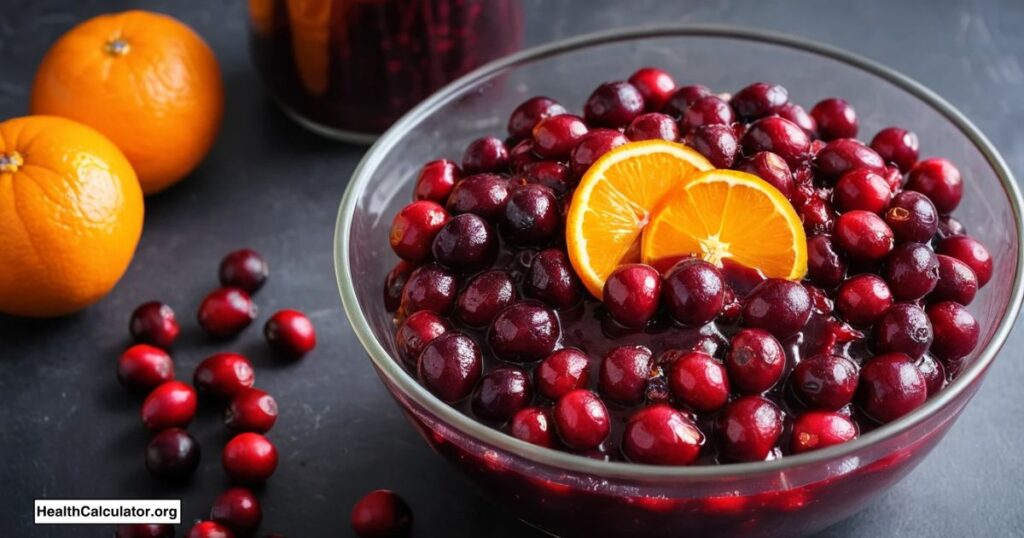
10. Cranberry Orange Sauce

Cranberry Orange Sauce

Homemade cranberry sauce takes 15 minutes and contains no added sugar beyond what you add yourself.​

Ingredients:

  • 12 ounces fresh cranberries
  • 1 orange, zested and juiced
  • 1/2 cup water
  • 1/3 cup honey or maple syrup
  • 1 cinnamon stick
  • 1/4 teaspoon ground ginger

Instructions:

  1. Combine all ingredients in a medium saucepan.
  2. Bring to a boil, then reduce heat and simmer 15 minutes.
  3. Cranberries will burst and sauce will thicken.
  4. Remove cinnamon stick. Let cool completely.
  5. Sauce will thicken more as it cools.

Nutrition per 1/4 cup serving: 100 calories, 0g protein, 26g carbs, 0g fat​

Canned cranberry sauce has 209 calories per half cup.​

11. Lightened Turkey Gravy

Lightened Turkey Gravy

Traditional gravy made with turkey drippings contains 178 calories per half cup. This version uses broth and just a small amount of turkey drippings for flavor.​

Ingredients:

  • 3 cups low-sodium turkey or chicken broth
  • 1/4 cup turkey pan drippings (fat removed)
  • 1/4 cup whole wheat flour
  • 1 teaspoon fresh thyme
  • 1/2 teaspoon sea salt
  • 1/4 teaspoon black pepper

Instructions:

  1. Pour turkey drippings into a measuring cup. Let sit 5 minutes.
  2. Skim off and discard fat from the top.
  3. Heat broth and defatted drippings in a medium saucepan.
  4. Whisk flour into 1/2 cup cold water until smooth.
  5. Slowly whisk flour mixture into hot broth.
  6. Simmer, stirring constantly, until thickened, about 5 minutes.
  7. Add thyme, salt, and pepper.

Nutrition per 1/4 cup serving: 50 calories, 2g protein, 6g carbs, 2g fat​

Healthy Thanksgiving Salad

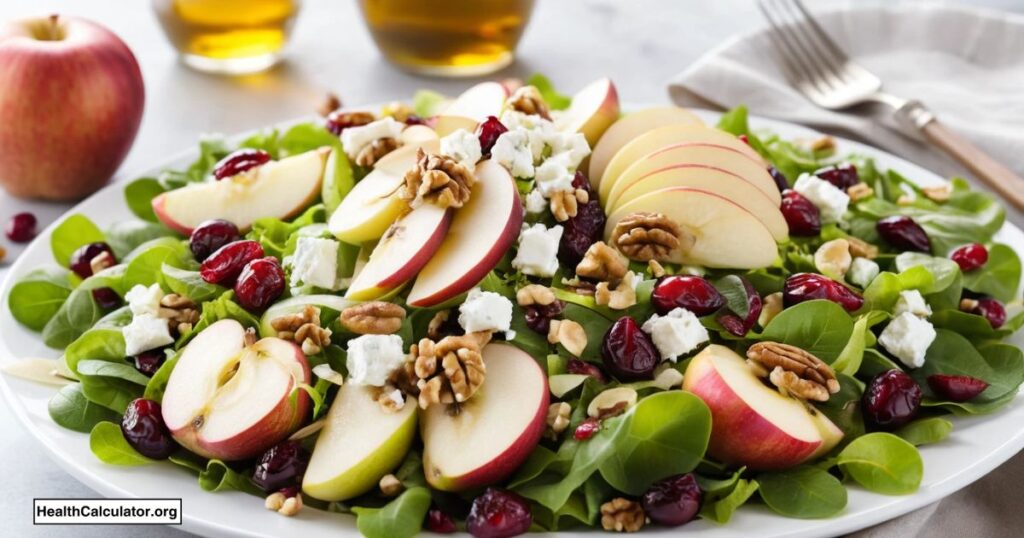
12. Apple Walnut Salad with Maple Vinaigrette

Apple Walnut Salad with Maple Vinaigrette

Start your meal with a salad to fill up on vegetables before the heavier dishes.​

Ingredients:

For the salad:

  • 8 cups mixed greens
  • 2 apples, thinly sliced
  • 1/2 cup walnuts, toasted
  • 1/3 cup dried cranberries
  • 1/4 cup red onion, thinly sliced
  • 1/4 cup goat cheese, crumbled (optional)

For the vinaigrette:

  • 3 tablespoons olive oil
  • 2 tablespoons apple cider vinegar
  • 1 tablespoon pure maple syrup
  • 1 teaspoon Dijon mustard
  • 1/4 teaspoon sea salt
  • 1/4 teaspoon black pepper

Instructions:

  1. Arrange greens on a large platter.
  2. Top with apple slices, walnuts, cranberries, and red onion.
  3. Whisk together all vinaigrette ingredients.
  4. Drizzle over salad just before serving.
  5. Top with goat cheese if using.

Nutrition per serving (with cheese): 180 calories, 4g protein, 16g carbs, 12g fat​

Healthy Thanksgiving Desserts

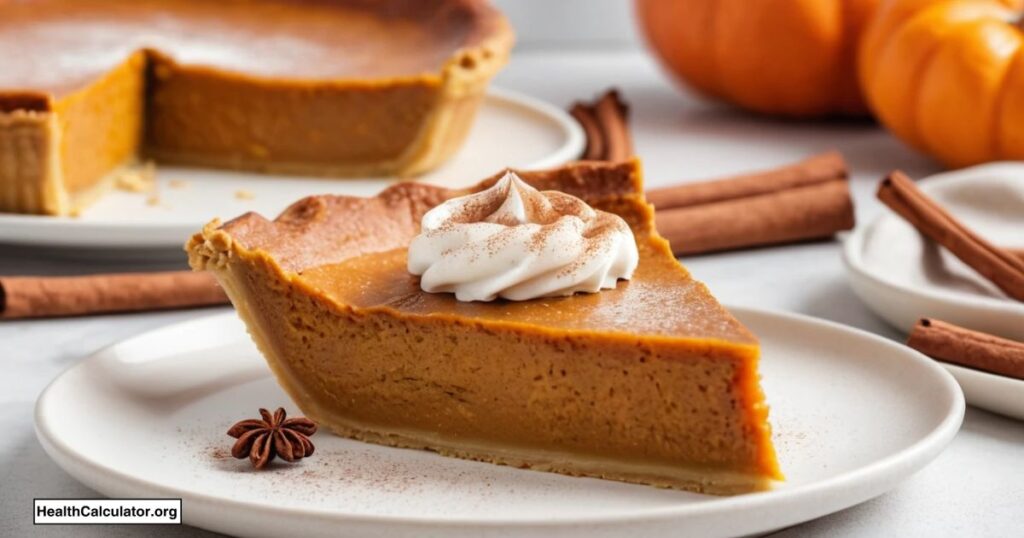
13. Crustless Pumpkin Pie

Crustless Pumpkin Pie

Skip the buttery crust and save 113 calories per slice.​

Ingredients:

  • 1 (15 oz) can pure pumpkin puree
  • 3/4 cup coconut milk
  • 3 eggs
  • 1/2 cup pure maple syrup
  • 2 teaspoons pumpkin pie spice
  • 1 teaspoon vanilla extract
  • 1/4 teaspoon sea salt

Instructions:

  1. Preheat oven to 350°F. Grease a 9-inch pie dish.
  2. Whisk together all ingredients until smooth.
  3. Pour into pie dish.
  4. Bake 45-50 minutes until center is set but still slightly jiggly.
  5. Cool completely before serving.

Nutrition per slice (1/8 of pie): 210 calories, 4g protein, 28g carbs, 9g fat​

Traditional pumpkin pie has 323 calories per slice.​

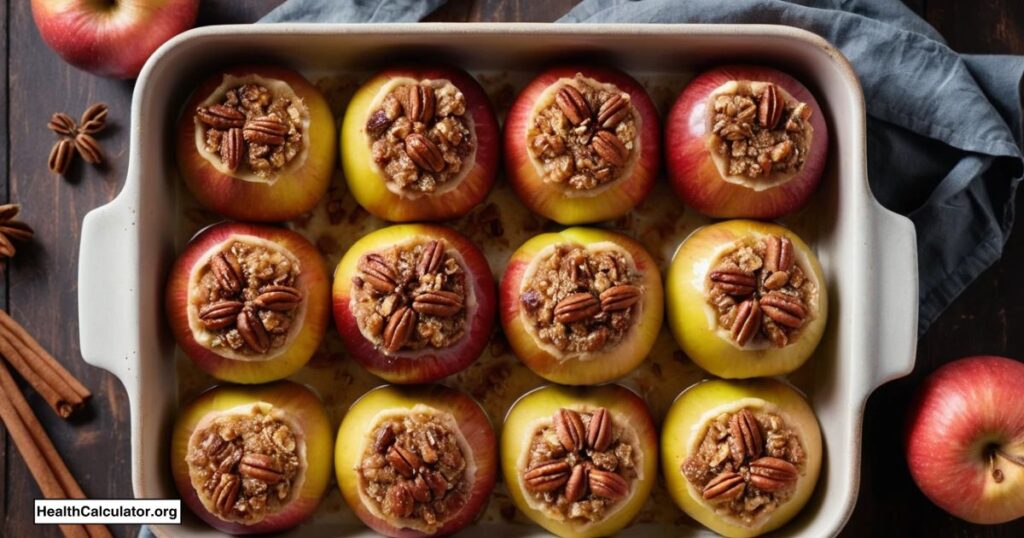
14. Baked Apples with Cinnamon

Baked Apples with Cinnamon

These taste like apple pie filling without the crust.​

Ingredients:

  • 6 large apples (Granny Smith or Honeycrisp)
  • 1/3 cup rolled oats
  • 1/4 cup chopped pecans
  • 2 tablespoons coconut oil, melted
  • 2 tablespoons pure maple syrup
  • 1 teaspoon cinnamon
  • 1/4 teaspoon nutmeg
  • Pinch of sea salt

Instructions:

  1. Preheat oven to 375°F.
  2. Core apples, leaving the bottom intact to create a bowl.
  3. Mix oats, pecans, coconut oil, maple syrup, cinnamon, nutmeg, and salt in a small bowl.
  4. Stuff mixture into apple centers.
  5. Place apples in a baking dish with 1/2 inch of water in the bottom.
  6. Cover with foil and bake 30 minutes.
  7. Remove foil and bake 10 more minutes until apples are tender.

Nutrition per apple: 190 calories, 2g protein, 34g carbs, 7g fat​

Apple pie has 356 calories per slice.​

15. Greek Yogurt Pumpkin Mousse

Greek Yogurt Pumpkin Mousse

This light dessert takes 5 minutes to make and contains protein from Greek yogurt.​

Ingredients:

  • 2 cups plain Greek yogurt (2% or full fat)
  • 1 cup pure pumpkin puree
  • 1/4 cup pure maple syrup
  • 2 teaspoons pumpkin pie spice
  • 1 teaspoon vanilla extract
  • Pinch of sea salt
  • Whipped cream for topping (optional)

Instructions:

  1. Whisk together all ingredients until smooth and creamy.
  2. Divide among 6 serving glasses.
  3. Chill at least 2 hours.
  4. Top with a dollop of whipped cream if desired.

Nutrition per serving: 120 calories, 8g protein, 18g carbs, 2g fat​

Making It Work for Any Holiday

These recipes work for Christmas, Easter, or any special occasion. The strategies stay the same regardless of which holiday you’re celebrating.​

Choose lean proteins like turkey breast, remove skin before eating, load your plate with vegetables first, use broth instead of butter for moisture, and roast vegetables instead of frying or adding heavy cream sauces.​

Your body doesn’t know it’s a holiday. It processes a 3,000-calorie meal the same whether you eat it on Thanksgiving or a random Tuesday. Planning ahead helps you enjoy special foods without overdoing it.​

Use our BMI Calculator and BMR Calculator to understand your current health status and daily calorie needs. Then build your holiday menu around those numbers.

A typical holiday dinner equals 3,000 calories. With the swaps in this guide, you can cut that to 1,500 calories or less while still enjoying all your favorite foods. That’s the difference between gaining weight over the holidays and maintaining your current health goals.

🧮 Our Health Tools

📊 Smart BMI Calculator → 🔥 BMR Calculator → ⚡ TDEE Calculator → 🥗 Macro Calculator → 🥑 Keto Calculator → 👟 Step Calculator for Weight Loss → 🏋️ Barbell Calculator → 💪 1 Rep Max Calculator → 🍗 Protein Calculator →


Health Calculator
Free and accurate online tools for tracking your body stats, diet, and health — all in one place.

Latest Posts

  • How to Prevent Muscle Loss During Rapid Weight Loss
  • Collagen Gummies: Benefits, Side Effects, and What to Know Before You Buy
  • Prolonged Sitting Starts Damaging Your Body After Just 60 Minutes – Here’s the Timeline
  • What Is Probiotic Coffee? Benefits, Types, and What You Should Know
  • Metabolic Patches: What They Are, How They Work, and Whether They’re Worth It

Links

  • About
  • Contact us
  • Privacy Policy
  • Terms & Conditions
  • Disclaimer
  • How to Use
  • Blog

Calculator

  • BMI Calculator
  • BMR Calculator
  • TDEE Calculator
  • Macro Calculator
  • Keto Calculator
  • Step Calculator for Weight Loss
  • Protein Calculator
  • 1 Rep Max Calculator
  • Barbell Calculator
  • Fitness Planner – Workout Distribution Tool
  • Workout Planner – Weekly Schedule Generator
  • Gym Workout Planner with 800+ Exercises
  • Instagram
  • Facebook
  • YouTube
© 2026 Health Calculator | Powered by Minimalist Blog WordPress Theme