health calculator
Menu
  • Home
  • Calculators
    • BMI Calculator
    • BMR Calculator
    • TDEE Calculator
    • Macro Calculator
    • Keto Calculator
    • Step Calculator for Weight Loss
    • Protein Calculator
    • Barbell Calculator
    • 1 Rep Max Calculator
    • Fitness Planner – Workout Distribution Tool
    • Workout Planner – Weekly Schedule Generator
    • Gym Workout Planner with 800+ Exercises
  • About
  • Contact us
  • How To Use
  • Blog
Menu

Author: healthcalculator.org

Protein Powder Lead

Lead in Protein Powder: What You Need to Know

Posted on November 24, 2025May 14, 2026 by healthcalculator.org

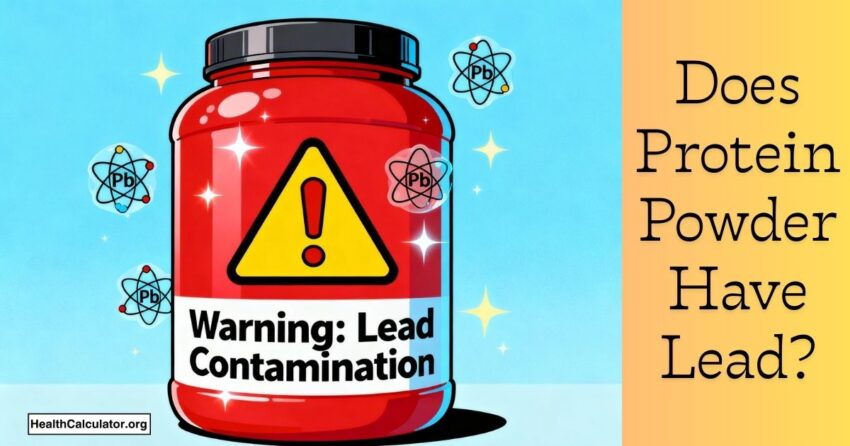
A recent Consumer Reports investigation found that more than two-thirds of protein powders contain lead levels exceeding safe daily limits. Some products tested contained lead amounts over 10 times higher than what experts consider safe to consume in a day.

This isn’t new. Consumer Reports first tested protein powders 15 years ago and found similar issues. But the 2025 results show the problem has gotten worse, not better.

The Testing Results

Consumer Reports tested 23 popular protein powders and ready-to-drink shakes for lead in protein shakes and powders between November 2024 and February 2025. They purchased products from Amazon, Walmart, Vitamin Shoppe, and Whole Foods Market. Each product was tested from multiple batches to ensure accurate results.

The findings were alarming. About 70% of products contained more than 120% of the safe daily lead limit, which experts set at 0.5 micrograms per day. All products delivered the amount of protein listed on their labels, ranging from 20 to 60 grams per serving. But that protein came with a heavy cost.

Two products stood out for the wrong reasons. Naked Nutrition Vegan Mass Gainer contained 7.7 micrograms of lead per serving. That’s 1,570% of the daily safe limit. Huel Black Edition powder had 6.3 micrograms, or 1,290% of the safe amount. Experts recommend avoiding these products entirely.

Four other products had dangerously high levels too. Garden of Life Sport Organic Plant-Based Protein and Momentous 100% Plant Protein both contained between 400% and 600% of safe lead limits. Consumer Reports suggests limiting these to once per week at most.

The good news? One product tested showed no detectable lead. MuscleTech 100% Mass Gainer came back clean in all tests.

Does Protein Powder Have Lead?

Yes. Lead exists naturally in Earth’s crust, and plants absorb it from soil as they grow. This means any food product made from plants will contain some level of lead. The question isn’t whether lead is present but how much.

Processing makes things worse. Turning whole peas into protein powder involves multiple steps. First, the peas are dehulled and ground into flour. Then the flour gets mixed with water to separate protein from starch and fiber. Finally, the protein is treated with food-grade acid and spray dried into powder. Each step creates opportunities for additional contamination, depending on the machinery and water quality used.

Many companies don’t reveal where they source their ingredients. But historically, most pea protein sold in the United States comes from China. The FDA rarely audits foreign supplement makers, which means quality control varies widely.

Plant-Based vs Dairy Protein

The type of protein matters significantly. Plant-based powders contained nine times more lead than dairy-based options like whey. They also had twice as much lead as beef-based protein powders.

Nearly all plant-based products tested showed elevated lead levels. Meanwhile, dairy-based powders generally performed better, though half still had enough lead that experts advise against daily use.

This pattern makes sense. Plants naturally absorb whatever exists in their environment, including heavy metals in soil and water. Dairy and meat products can also contain lead, but the contamination pathways differ. Cows get lead exposure through feed, water, and soil, but the concentration rarely reaches the levels seen in plant-based sources.

Pea protein has become popular in recent years because of its neutral flavor and low allergen risk. But this popularity comes with trade-offs that many consumers don’t realize.

Health Effects of Lead Exposure

No amount of lead is safe for human consumption. Lead serves no beneficial function in your body and can cause harm at any level of exposure.

Short-term symptoms include metallic taste in your mouth, abdominal pain, nausea, and headaches. Long-term exposure causes more serious problems. These include memory loss, difficulty concentrating, elevated blood pressure, kidney damage, and fertility issues in both men and women.

Pregnant women face particular risks. Lead exposure can cause miscarriage, stillbirth, premature birth, and low birth weight. It can also affect fetal brain development, leading to learning disabilities and behavioral problems later in life.

The average American already gets 5.3 micrograms of lead daily through normal food consumption. Adding a serving of Naked Nutrition Mass Gainer (7.7 micrograms) would put you well over the FDA’s interim reference level of 8.8 micrograms per day for adults.

And food isn’t your only source. Lead also exists in air, soil, household dust, and old paint. Every additional source pushes your total exposure higher.

Which Protein Powder With Lead Should You Avoid?

Based on Consumer Reports testing, these products had the highest lead contamination and should be avoided or severely limited.

Avoid completely:

Naked Nutrition Vegan Mass Gainer (7.7 mcg lead per serving)

Huel Black Edition powder (6.3 mcg lead per serving)

Limit to once per week maximum:

Garden of Life Sport Organic Plant-Based Protein

Momentous 100% Plant Protein

Use cautiously (not daily):

MuscleMeds Carnivor Mass powder (beef-based, over 200% of safe limit)

Six additional plant-based powders

Five dairy-based powders and shakes

One additional beef powder

Consumer Reports published the full list of tested products with specific contamination levels. You can view their complete findings and methodology at Consumer Reports.

How to Choose Safer Options

Look for third-party testing certifications. NSF Certified for Sport and Informed-Sport both test products for heavy metals and other contaminants. These certifications mean an independent lab verified what’s actually in the product, not just what the label claims.

NSF allows up to 10 micrograms of lead per serving, which is 20 times higher than Consumer Reports’ recommended limit. But products with NSF certification still tend to be safer than uncertified alternatives because they face regular testing and oversight.

Very few companies publish their heavy metal testing results. Momentous and Transparent Labs both make test results available on their websites. KOS and Equip Foods say they’ll provide results if customers request them. If a company won’t share testing data, that’s a red flag.

Choose dairy-based proteins when possible. Whey and casein powders consistently show lower lead levels than plant-based alternatives. If you prefer plant-based options for dietary or ethical reasons, look for products that source ingredients from North America rather than overseas.

Flavor doesn’t matter as much as you might think. Previous studies identified chocolate as a notable source of heavy metal contamination. But Consumer Reports found no meaningful difference between chocolate and vanilla products in 2025 testing.

Better Protein Sources

You probably don’t need protein powder at all. Most Americans already get more protein than federal guidelines recommend. Men consume about 155% of recommended amounts, and women get about 135%.

The average healthy adult needs 0.36 grams of protein per pound of body weight. For a 170-pound person, that’s about 61 grams daily. You can hit that target with one cup of plain Greek yogurt and 3.5 ounces of chicken breast. Or skip the chicken and eat 5 ounces of tempeh instead.

Older adults need slightly more. Aim for 0.45 to 0.59 grams per pound to offset age-related muscle loss. Pregnant women and serious athletes also have higher requirements. But even these groups can usually meet their needs through whole foods.

Use our Protein Calculator to determine your specific needs based on your age, weight, activity level, and goals.

Whole food protein sources include beans, lentils, tofu, eggs, dairy products, fish, poultry, and lean meats. These foods provide protein without the processing steps that introduce heavy metal contamination. They also contain vitamins, minerals, and fiber that isolated protein powders lack.

If you make your own protein shakes, swap the powder for peanut butter, Greek yogurt, or milk. You’ll get clean protein plus nutrients that support overall health.

The Regulatory Problem

Protein powders fall into a regulatory gray area that leaves consumers vulnerable. The FDA doesn’t review, approve, or test supplements before they hit store shelves. Manufacturers don’t have to prove their products are safe before selling them. There are no federal limits for heavy metal content in protein powder.

This wasn’t always true. Before 1994, companies had to prove herbal products were safe before selling them. Then Congress passed the Dietary Supplement Health and Education Act, which sharply limited FDA authority. Now supplements are “presumed safe unless found otherwise.”

The FDA relies on voluntary complaints and factory inspections to catch problems. But those inspections cover only a tiny fraction of the industry. About 12,000 supplement manufacturers operate in the United States. Last year, the FDA inspected just 600 of them.

This means contaminated or unsafe supplements regularly reach consumers before anyone catches the problem. A 2023 Government Accountability Office report found FDA oversight so inadequate that it urged Congress to expand the agency’s authority.

Companies can set their own standards for what counts as “harmful.” Many told Consumer Reports they follow guidelines from the FDA, EPA, World Health Organization, or European Food Safety Authority. But most of those organizations have no specific limits for lead in protein powders. The ones that do set thresholds far higher than what public health experts consider safe.

What You Should Do

Cut back on protein supplements if you use them regularly. Most people don’t need them to meet their protein goals. Whole foods provide better nutrition without the heavy metal exposure.

If you do use protein powder, limit it to a few times per week rather than daily. Avoid products with California Prop 65 warnings on the label. These warnings indicate the product contains chemicals known to cause cancer, birth defects, or reproductive harm at levels the state considers significant.

Check whether your preferred brand publishes heavy metal testing results. If they don’t, ask for them. Companies that refuse to share testing data should raise concerns.

Choose dairy-based proteins over plant-based when you do buy supplements. Whey and casein consistently test lower for lead contamination. And calculate your actual protein needs before buying any supplement. Use the USDA protein calculator or our Protein Calculator to get personalized recommendations based on your age, weight, and activity level.

Track your lifting progress and nutritional needs with our Barbell Calculator and 1 Rep Max Calculator to optimize your training without relying heavily on supplements.

The protein industry has grown into a multibillion-dollar business by convincing people they need more protein than they actually do. Don’t fall for it. Most people eating a balanced diet already get plenty of protein through normal meals. Adding supplements just increases your exposure to contaminants like lead without providing meaningful benefits.

Check CDC guidance on lead exposure symptoms to understand warning signs and protect your health.


Disclaimer: This article is for informational and educational purposes only and should not be considered medical, nutritional, or professional health advice. Always consult a qualified healthcare professional before making major dietary changes or using supplements regularly.

whooping cough

What Is Whooping Cough? Complete Guide to Symptoms and Treatment

Posted on November 14, 2025November 14, 2025 by healthcalculator.org

Whooping cough is a highly contagious respiratory infection caused by bacteria called Bordetella pertussis. The disease gets its name from the distinctive “whoop” sound people make when gasping for air after severe coughing fits.

Medical professionals also call it pertussis or sometimes the “100-day cough” because symptoms can last for months. While vaccines have made this disease less common, cases have been rising in recent years across many countries.

What Causes Whooping Cough

The pertussis bacteria attach to tiny hair-like structures in your upper respiratory system. Once attached, these bacteria release toxins that damage your airways and cause swelling. This leads to thick mucus buildup and the intense coughing that defines the disease.

The infection spreads through respiratory droplets. When someone with whooping cough coughs, sneezes, or even breathes near you, you can inhale the bacteria. You can also catch it by touching surfaces contaminated with these droplets and then touching your face.

People with pertussis are most contagious during the first two weeks before the severe coughing starts. This makes the disease particularly dangerous because infected people spread it before they even know they’re sick.

Recognizing Whooping Cough Symptoms

The disease typically progresses through three distinct stages. Each stage has different symptoms and can last for varying lengths of time.

Early Stage (1 to 2 weeks)

Initial whooping cough symptoms look exactly like a common cold. You might have a runny nose, mild sneezing, watery eyes, and a slight cough. Some people develop a low-grade fever, though not everyone does. During this stage, the disease is highly contagious but hard to identify.

Severe Coughing Stage (several weeks to months)

This is when the characteristic symptoms appear. The cough becomes violent and uncontrollable. These coughing fits, called paroxysms, can happen suddenly and last for minutes at a time.

After a coughing spell ends, you gasp for air and make the “whooping” sound. But not everyone makes this sound, especially babies and adults. The coughing can be so intense that it causes vomiting, extreme exhaustion, and a red or blue face from lack of oxygen.

Young infants under six months might not cough much at all. Instead, they may struggle to breathe or experience dangerous pauses in breathing called apnea. This is why pertussis whooping cough is particularly life-threatening for babies.

Coughing fits often get worse at night and can be triggered by eating, drinking, or even just lying down. Between coughing spells, you might feel completely normal.

Recovery Stage

The coughing gradually becomes less severe and happens less often. But recovery is slow. It can take months before the cough fully goes away. Even after the bacteria are gone, your damaged airways need time to heal.

Who Is at Highest Risk

Anyone can get whooping cough, but certain groups face more serious complications.

Babies under one year old who haven’t completed their vaccine series are most vulnerable. About half of infants who get pertussis need hospital care. The disease can cause pneumonia, seizures, brain damage, and even death in very young babies.

Pregnant women face higher risks of complications. Getting proper nutrition during pregnancy helps support overall immune health, though it doesn’t prevent pertussis specifically.

Adults and teenagers whose vaccine protection has faded can also get sick. Their symptoms are usually milder, but they can still spread the disease to vulnerable infants and young children. Healthcare workers and parents of newborns need to be especially careful.

People with weakened immune systems or chronic respiratory conditions like asthma may experience more severe illness regardless of their age.

How Doctors Diagnose Pertussis

Early diagnosis matters because treatment works best in the first few weeks. Doctors use several methods to confirm whooping cough.

Nose or Throat Swab

This is the most common test. A healthcare provider inserts a long swab deep into your nostril until it reaches the back of your throat. They rotate the swab for about 10 to 15 seconds to collect mucus, then test that sample for pertussis bacteria.

Sometimes doctors use a nasal wash instead. They squirt salt water into your nose and then remove the fluid with gentle suction.

Laboratory Tests

The collected sample goes to a lab for testing. A PCR test checks for bacterial DNA and gives results quickly, often within hours. This test works best during the first three weeks of coughing.

A culture test grows bacteria from your sample to identify them. This method is most accurate in the first two weeks but takes up to a week for results.

Blood Tests

Blood work can show elevated white blood cells, which indicate infection. But this doesn’t specifically diagnose whooping cough. It just tells doctors your body is fighting something.

Chest X-Ray

Doctors may order a chest X-ray to check for pneumonia or other complications in your lungs. This is especially common in severe cases or for very young patients.

Treatment Options for Whooping Cough

Treatment depends on how early the disease is caught and how severe your symptoms are.

Antibiotics

Antibiotics are the primary treatment for pertussis. They kill the bacteria and reduce how long you can spread the disease to others. Common antibiotics include azithromycin, clarithromycin, and erythromycin.

Azithromycin typically requires just three to five days of treatment. Clarithromycin and erythromycin are usually taken for seven days. These shorter courses work just as well as the older 14-day treatments but cause fewer side effects.

Antibiotics work best when started during the first one to two weeks of illness, before severe coughing begins. They can shorten the illness and make symptoms less severe. But once the intense coughing stage starts, antibiotics mainly just stop you from spreading the disease. They won’t do much for your cough at that point.

Your doctor might also prescribe preventive antibiotics if you’ve been exposed to someone with whooping cough. This is especially important for pregnant women, infants, healthcare workers, and people with health conditions that increase their risk.

Managing Symptoms

There’s no magic cure for the cough itself. Over-the-counter cough medicines don’t help with pertussis and shouldn’t be used unless your doctor specifically recommends them.

Most treatment focuses on supportive care. Get plenty of rest and drink lots of fluids to stay hydrated. Eat smaller, more frequent meals to avoid triggering coughing fits. Keep the air in your home moist with a cool-mist humidifier.

Severe cases, especially in infants, may require hospitalization. Babies might need oxygen support, intravenous fluids, or careful monitoring for breathing problems. Some need suctioning to clear thick mucus from their airways.

The Whooping Cough Vaccine

Vaccination is the most effective way to prevent pertussis. The pertussis vaccine is combined with vaccines for diphtheria and tetanus.

For Children

Children receive the DTaP vaccine in a series of five shots at ages 2 months, 4 months, 6 months, 15 to 18 months, and 4 to 6 years. This provides strong protection during the years when whooping cough is most dangerous.

For Adolescents and Adults

Preteens get a booster shot called Tdap around age 11 or 12. Adults should get a Tdap booster if they didn’t receive one as an adolescent.

Pregnant women should get a Tdap shot during each pregnancy, ideally between 27 and 36 weeks. This protects the baby during the first vulnerable months of life before they can start their own vaccine series.

Adults who spend time around infants, including grandparents, childcare providers, and healthcare workers, should also get a Tdap booster if they haven’t had one recently.

Vaccine Protection Limits

No vaccine provides perfect or permanent protection. Immunity from the whooping cough vaccine gradually fades over time. This is why boosters are necessary. You can still get pertussis even after vaccination, but your illness will typically be much milder.

Prevention Beyond Vaccination

While vaccines are crucial, other measures help reduce your risk.

Wash your hands frequently with soap and water, especially before eating and after being in public places. If someone in your household has whooping cough, limit close contact as much as possible. The infected person should stay home from work or school until they’ve completed at least five days of antibiotics.

Cover your mouth and nose when coughing or sneezing. Use a tissue or your elbow, not your hands. Throw used tissues away immediately.

During outbreaks, avoid crowded places if possible, especially with young babies. If you’re pregnant or have an infant at home, ask visitors if they’re up to date on their pertussis vaccination.

Keep your living spaces clean. Regularly disinfect frequently touched surfaces like doorknobs, light switches, and phones. Good ventilation helps too, since the bacteria spread through the air.

When to Seek Medical Care

Contact a healthcare provider if you or your child develops a persistent cough, especially one that causes vomiting, turns the face red or blue, or makes breathing difficult.

Seek emergency care immediately if a baby stops breathing, has severe breathing difficulties, or develops a bluish skin color. These are signs of life-threatening complications.

Don’t wait to get help if you’ve been exposed to someone with confirmed pertussis whooping cough. Early treatment can prevent you from getting sick or at least reduce the severity of illness.

Understanding the Current Situation

Whooping cough cases have been increasing in many parts of the world. The disease was largely controlled by vaccines for decades, which is why many people have never heard of it. But protection fades over time, and vaccination rates dropped during recent years in some areas.

Countries reporting significant increases include the United States, Brazil, Mexico, Japan, and several European nations. Public health officials emphasize that maintaining high vaccination coverage and getting booster shots remain the best defense.

The disease tends to occur in cycles, with surges every few years. Understanding whooping cough and recognizing its symptoms early helps protect yourself and those around you, especially vulnerable infants who face the highest risks.


Disclaimer- This article is provided for informational and educational purposes only. It is not intended to be a substitute for professional medical advice, diagnosis, or treatment. Always seek the advice of your physician or other qualified healthcare provider with any questions you may have regarding a medical condition. Never disregard professional medical advice or delay seeking it because of something you have read on this website.

Pink Stanley at the Gym

Pink Stanley at the Gym: Why This Water Bottle Became a Fitness Symbol

Posted on November 10, 2025November 10, 2025 by healthcalculator.org

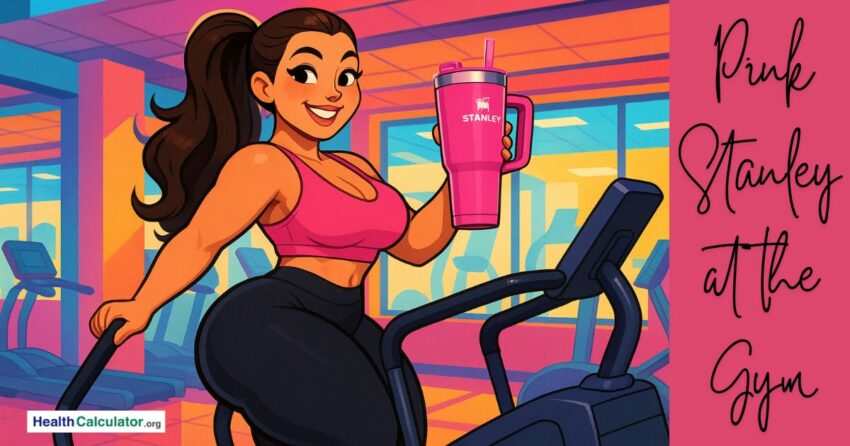
You’ve probably seen her. The woman on the Stairmaster with a massive pink water bottle. She’s sweating but somehow looks completely unbothered. That’s the Pink Stanley at the gym phenomenon, and it’s taken over fitness spaces in 2025.

The Pink Stanley at the gym trend started as a simple preference for a specific color of insulated tumbler. But it grew into something bigger. Now it represents an entire gym identity. Women who carry these bottles have become the subject of viral memes, motivational content, and even friendly competition.

What Is Pink Stanley at the Gym?

Pink Stanley at the gym refers to the Stanley Quencher tumbler in pink, usually the 40-ounce version. These bottles are large, insulated, and come with a handle and straw. The pink color options range from soft pastels to bright fuchsia, sometimes with sparkles or limited edition finishes.

The bottle itself isn’t new. Stanley has been making durable drinkware since 1913. But the pink versions became a status symbol around 2024 and exploded in gym culture throughout 2025. Women started bringing them to workouts not just for hydration but as a statement piece.

The trend caught fire on social media. TikTok and Instagram filled with videos of “Pink Stanley Girls” dominating cardio machines, particularly the Stairmaster. These videos often show a woman effortlessly working out for extended periods while a guy next to her struggles to keep up. The pink bottle sits prominently in frame, almost like a trophy.

View this post on Instagram

One viral video from creator Riley (@kentvegas) showed this exact scenario. A man tried to outlast a woman on the Stairmaster. She had her pink Stanley. He didn’t stand a chance. The video racked up over 5 million likes and spawned thousands of recreations.​

Another popular post from fitness influencer Emily Filz showed her mid-workout with the caption about never competing with other women but always outlasting men on the machine. Her pink Stanley sat right there on the console. Comments flooded in from women saying they felt the same way.​

Why Pink Stanley at the Gym Became So Popular

The appeal goes beyond aesthetics. Women report feeling more motivated to go to the gym when they have gear they genuinely like. A pink Stanley isn’t just functional. It’s personal. It signals that you take your workouts seriously but don’t take yourself too seriously.

The bottle’s size matters too. At 40 ounces, it holds enough water to last through long training sessions without refills. Proper hydration directly impacts performance. Research shows that even 2% dehydration can reduce endurance by roughly 10% and decrease strength and power output. When you’re pushing through a tough Stairmaster session or lifting heavy with a barbell, staying hydrated isn’t optional.​

The insulation keeps water cold for hours. This matters more than people realize. Cold water is easier to drink in large quantities during intense exercise. Studies on athletes show that maintaining hydration throughout workouts helps preserve plasma volume, reduces heart rate during submaximal exercise, and delays fatigue.​

But the cultural aspect is just as important as the physical benefits. Pink Stanley at the gym creates a sense of belonging. Women see other women with the same bottle and feel an instant connection. It’s like wearing a team jersey. You’re part of a group that values fitness, self-care, and a little bit of personality in the process.

The meme culture around it adds humor and motivation. When you see viral videos of Pink Stanley Girls outlasting everyone on the Stairmaster, it’s funny. But it’s also inspiring. It sends a message that consistency and preparation (including proper hydration) beat raw effort every time.

The Stairmaster Connection

Pink Stanley at the gym is especially tied to Stairmaster workouts. This isn’t random. The Stairmaster is one of the most challenging cardio machines. It requires sustained effort and mental toughness. You can’t just zone out like you might on a treadmill.

Women who regularly use the Stairmaster tend to be experienced gym-goers. They know what works. They come prepared. And preparation includes hydration. The pink Stanley becomes a visual marker of that experience and dedication.

The Stairmaster also makes for great content. The machine’s console provides a perfect spot to place a colorful water bottle. The sweat, the effort, the endurance all make for compelling videos. Add a pink Stanley, and you have an instantly recognizable image.

Real Performance Benefits

Pink Stanley at the gym isn’t just about looks or memes. The hydration element has real effects on workout quality. When you’re adequately hydrated, your body can regulate temperature better. This means you can train harder for longer without overheating.

For strength training, hydration affects muscle function. If you’re using a barbell calculator to track progressive overload or testing your limits with a 1 rep max calculator, you need your muscles operating at full capacity. Dehydration reduces strength by approximately 2% and power by approximately 3%. That might not sound like much, but it’s the difference between hitting a personal record and missing it.​

Endurance athletes benefit even more. If you’re tracking activity with a step calculator for weight loss, you know that cardio sessions can last 30 to 60 minutes or more. During that time, fluid loss through sweat can be significant. Drinking 600 to 1200 mL per hour during extended exercise helps maintain performance.​

Recovery matters too. Post-workout hydration supports muscle recovery and nutrient transport. If you’re using a protein calculator to optimize your nutrition, remember that protein synthesis happens more efficiently when you’re properly hydrated. Water helps deliver amino acids to muscle tissue and removes metabolic waste.

How to Join the Trend (If You Want To)

You don’t need a pink Stanley to have great workouts. But if the trend appeals to you, there’s no shame in embracing it. Here’s what to know.

First, the bottle is an investment. Stanley Quenchers typically cost between $35 and $50 depending on the color and finish. Limited edition pinks can cost more. But they’re durable. Many users report having the same bottle for years.

Second, the size takes getting used to. A 40-ounce bottle is heavy when full. Some people prefer the 30-ounce version for gym sessions. Consider what fits in your gym bag and cup holders.

Third, clean it regularly. The straw and lid can harbor bacteria if not washed properly. Most Stanley bottles are dishwasher safe, but hand washing the straw is recommended.

And finally, remember that Pink Stanley at the gym is ultimately about what makes you feel good. If a bright pink water bottle motivates you to show up and work hard, that’s what matters. The trend is fun, but the consistency is what gets results.

The Psychology Behind the Trend

There’s real psychology at play here. Behavioral science shows that visible reminders of goals increase follow-through. When you invest in quality gym gear, you’re more likely to use it. A $45 water bottle sitting on your counter is a daily reminder to get to the gym.

The color choice matters too. Pink is often associated with energy, playfulness, and confidence. In a gym environment that can feel intimidating, especially for women, bringing something that feels personal and fun reduces that intimidation.

Social proof plays a role as well. When you see hundreds of women online sharing their Pink Stanley at the gym moments, it normalizes prioritizing fitness. It makes working out feel less like a chore and more like participating in something bigger.

Beyond the Memes

Pink Stanley at the gym will eventually fade as trends do. But the underlying message has staying power. Take your workouts seriously. Stay hydrated. Find ways to make fitness enjoyable. Bring personality into your routine.

The women in those viral videos aren’t just showing off their water bottles. They’re demonstrating consistency, preparation, and mental toughness. Those qualities don’t come from the bottle. They come from showing up day after day and putting in the work.

But if a pink insulated tumbler helps you show up more consistently, that’s a win. Fitness is personal. What motivates one person might not work for another. The important thing is finding what works for you and sticking with it.

Pink Stanley at the gym represents more than a product. It’s a symbol of women claiming space in fitness culture on their own terms. It’s about being prepared, staying hydrated, and not apologizing for bringing a little style to your sweat sessions. And that’s something worth celebrating, even after the trend moves on.

Heart Failure Supplements

Heart Failure Supplements: What Actually Works According to Science

Posted on November 9, 2025November 14, 2025 by healthcalculator.org

Heart failure affects millions of people worldwide. Many turn to supplements hoping to improve their heart function or reduce symptoms. But which supplements actually help?

Research shows that some supplements can benefit people with heart failure. Others do nothing. Some might even cause harm. This guide breaks down what science says about the most common heart failure supplements.

What Is Heart Failure

Heart failure happens when your heart can’t pump blood effectively. This doesn’t mean your heart stops working. It means your heart muscle has become too weak or stiff to meet your body’s needs.

Common symptoms include shortness of breath, fatigue, and swelling in the legs. About 6.2 million Americans live with heart failure. The condition requires medical treatment. But certain supplements might help alongside conventional care.

Supplements With Strong Evidence

CoQ10 (Coenzyme Q10)

CoQ10 is one of the most studied supplements for heart failure. Your body makes this compound naturally. It helps cells produce energy. Heart muscle cells need huge amounts of energy to keep pumping.

Research shows CoQ10 can improve heart function in people with heart failure. A major study found that patients taking 100 mg of CoQ10 three times daily had better outcomes. They had fewer hospitalizations and deaths compared to those taking a placebo.

The American Heart Association’s 2023 scientific statement mentions CoQ10 as having potential benefits for heart failure patients. Blood levels of CoQ10 tend to be lower in people with heart failure. Supplementing might help restore these levels.

Typical doses range from 100 to 300 mg daily. CoQ10 is fat-soluble, so take it with food for better absorption. Side effects are rare but can include stomach upset.

Omega-3 Fatty Acids

Omega-3s from fish oil have solid evidence for heart failure. These fatty acids reduce inflammation and improve how blood vessels work.

The 2022 American Heart Association and American College of Cardiology heart failure guidelines mention omega-3 supplementation. Large studies show omega-3s can reduce hospitalizations for heart failure patients.

One study gave heart failure patients 1 gram of omega-3s daily. After nearly four years, they had fewer deaths and hospital visits compared to the placebo group.

Look for supplements with EPA and DHA (the two main types of omega-3s). A typical dose is 1 to 2 grams daily. Choose high-quality brands that test for mercury and other contaminants.

Vitamin D

Many people with heart failure have low vitamin D levels. This deficiency might worsen heart function.

Research from 2016 showed that vitamin D supplementation improved cardiac function in heart failure patients. Participants took 4,000 IU daily for one year. Their hearts pumped more efficiently by the end of the study.

Not all studies show benefits. But given how common vitamin D deficiency is, getting your levels tested makes sense. If you’re deficient, supplementation under medical supervision can help.

Typical doses range from 1,000 to 4,000 IU daily. Your doctor should monitor your blood levels. Too much vitamin D can be harmful.

L-Carnitine

L-carnitine helps your cells burn fat for energy. Heart muscle relies heavily on fat metabolism.

Studies show L-carnitine supplementation can improve symptoms in heart failure patients. It may help increase exercise capacity and improve ejection fraction (a measure of how well your heart pumps).

Research suggests doses of 1 to 3 grams daily. L-carnitine appears safe with few side effects. Some people report mild digestive issues.

Thiamine (Vitamin B1)

Thiamine deficiency is common in heart failure patients. This happens partly because diuretics (water pills) flush thiamine out of your body.

When someone with heart failure has a thiamine deficiency, supplementation can significantly improve heart function. One study showed that thiamine supplementation improved ejection fraction in patients taking diuretics.

Standard thiamine doses for heart failure range from 100 to 300 mg daily. Your doctor might recommend higher doses if you have a severe deficiency.

Magnesium

Magnesium plays a crucial role in heart rhythm and muscle function. Many heart failure patients have low magnesium levels, especially if they take diuretics.

Low magnesium can worsen heart failure symptoms and increase the risk of irregular heartbeats. Supplementation helps restore normal levels and may improve symptoms.

Typical doses range from 200 to 400 mg daily. Too much magnesium causes diarrhea, so start with lower doses. People with kidney problems should be especially careful with magnesium supplements.

Supplements With Moderate Evidence

Hawthorn Extract

Hawthorn is an herb used in traditional medicine for heart conditions. Some research suggests it might help with mild heart failure.

Studies show hawthorn may improve symptoms like shortness of breath and fatigue. It might also increase exercise tolerance. However, the evidence isn’t as strong as for supplements like CoQ10.

Typical doses are 300 to 900 mg daily of standardized extract. Hawthorn appears generally safe but can interact with heart medications. Always tell your doctor before taking it.

D-Ribose

D-ribose is a type of sugar that helps produce energy in cells. Some small studies suggest it might improve energy levels and quality of life in heart failure patients.

However, larger studies are needed. The evidence isn’t strong enough to make firm recommendations yet.

If you try D-ribose, typical doses are 5 to 15 grams daily. It’s generally considered safe but can lower blood sugar in some people.

Supplements to Avoid or Use Cautiously

Stimulants and Energy Boosters

Avoid supplements containing stimulants like ephedra, bitter orange, or high doses of caffeine. These can increase heart rate and blood pressure, putting extra strain on your heart.

Energy drinks often contain multiple stimulants plus high sugar content. They’re not appropriate for people with heart failure.

High-Dose Antioxidants

While antioxidants sound healthy, taking high doses of individual antioxidants (like vitamin E or beta-carotene) hasn’t shown benefits for heart failure. Some research suggests high doses might even increase health risks.

It’s better to get antioxidants from a varied diet with lots of fruits and vegetables.

Licorice Root

Licorice can raise blood pressure and cause fluid retention. Both effects are harmful for people with heart failure. Avoid supplements containing real licorice (not just licorice flavoring).

Sodium-Containing Supplements

Some supplements contain significant amounts of sodium. Heart failure patients need to limit sodium intake because it causes fluid retention. Always check labels.

The Mediterranean Diet Connection

Research shows that dietary patterns matter as much as individual supplements. The Mediterranean diet reduces heart failure risk significantly.

This eating pattern emphasizes fruits, vegetables, whole grains, fish, olive oil, and nuts. It naturally provides many heart-healthy nutrients without relying on supplements.

One study found that adults following a Mediterranean diet had about half the risk of developing heart failure compared to those not following this pattern.

If you want to support your heart health, focus first on diet quality. Use supplements to fill specific gaps, not replace healthy eating.

Important Considerations Before Taking Heart Failure Supplements

Talk to Your Doctor First

This is crucial. Heart failure supplements can interact with medications. For example, CoQ10 might interfere with blood thinners. Magnesium can interact with certain antibiotics and diuretics.

Your cardiologist needs to know about every supplement you take. They can help you avoid dangerous interactions and ensure the supplements make sense for your specific situation.

Quality Matters

The FDA doesn’t strictly regulate supplements the way it regulates prescription drugs. This means quality varies widely between brands.

Look for supplements that have been tested by third-party organizations like USP, NSF International, or ConsumerLab. These organizations verify that products contain what their labels claim.

Poor quality supplements might contain too much or too little of the active ingredient. Some contain contaminants or unlisted ingredients.

Supplements Aren’t a Substitute for Treatment

Heart failure requires medical treatment. Medications like ACE inhibitors, beta blockers, and diuretics save lives. Never stop or reduce prescription medications without talking to your doctor.

Supplements should complement conventional treatment, not replace it. Think of them as potential add-ons that might provide extra benefits.

Monitor for Side Effects

Even natural supplements can cause side effects or allergic reactions. Start new supplements one at a time so you can identify any problems.

Watch for symptoms like digestive upset, rashes, headaches, or changes in your heart failure symptoms. Report anything unusual to your doctor.

Individual Results Vary

Just because a supplement helped in research studies doesn’t guarantee it will help you. Heart failure has multiple causes and everyone responds differently.

Give a supplement adequate time to work (usually at least 2-3 months) before deciding if it helps. But discontinue it sooner if you experience side effects.

The Role of Nutrition Testing

Before starting heart failure supplements, consider getting your nutrient levels tested. Blood tests can reveal deficiencies in vitamin D, magnesium, thiamine, and other nutrients.

This targeted approach makes more sense than taking multiple supplements you might not need. It also helps your doctor recommend appropriate doses.

Testing is especially important for nutrients that can be harmful in excess, like vitamin D or iron.

Emerging Research

Scientists continue studying supplements for heart failure. Some areas of current research include:

Probiotics might help by reducing inflammation and improving how your gut processes nutrients. Early studies show promise but more research is needed.

Resveratrol (found in red wine and grapes) has antioxidant properties that might benefit heart health. Human studies are limited so far.

Taurine is an amino acid that plays a role in heart function. Some research suggests it might help heart failure patients but evidence is still developing.

These supplements need more study before we can make firm recommendations about their use in heart failure.

Lifestyle Factors That Work With Supplements

Supplements work best as part of a comprehensive approach to managing heart failure. Other important factors include:

Regular physical activity improves heart function and quality of life. Most heart failure patients benefit from supervised cardiac rehabilitation programs. Even gentle walking helps.

Managing stress reduces strain on your heart. Consider meditation, deep breathing exercises, or other relaxation techniques.

Getting enough quality sleep supports heart health. If you have sleep apnea (common in heart failure), getting it treated makes a big difference.

Limiting alcohol and avoiding smoking are essential. Both substances can worsen heart failure.

Monitoring your weight daily helps catch fluid retention early. Sudden weight gain might mean your heart failure is worsening and you need medical attention.

If you’re looking for tools to track health metrics and calculate important values, you might find helpful resources at HealthCalculator.org.

What About the Recent Melatonin Research

Recent research in November 2025 raised concerns about long-term melatonin use and heart failure. A large study found that people using melatonin for over a year had a 90% increased risk of developing heart failure.

This finding was unexpected because previous research suggested melatonin might have heart-protective effects. The study shows why it’s important to be cautious even with supplements considered safe.

If you take melatonin and have heart concerns, discuss it with your doctor. This situation demonstrates that “natural” doesn’t automatically mean risk-free.

The Bottom Line on Heart Failure Supplements

Several supplements show genuine promise for people with heart failure. CoQ10 and omega-3 fatty acids have the strongest evidence. Vitamin D, L-carnitine, thiamine, and magnesium can help, especially if you’re deficient.

These heart failure supplements work best when combined with proper medical treatment, a healthy diet, and appropriate lifestyle changes. They’re not miracle cures but might provide meaningful benefits for some people.

Always work with your healthcare team when considering supplements. Your cardiologist can help you choose appropriate options, avoid interactions with your medications, and monitor your progress.

Quality matters tremendously with supplements. Choose reputable brands with third-party testing. Be patient and give supplements time to work.

Remember that preventing heart failure in the first place is better than treating it. If you don’t have heart failure yet, focus on the basics: maintain a healthy weight, exercise regularly, eat well, don’t smoke, limit alcohol, and control conditions like high blood pressure and diabetes.

For those already living with heart failure, the right supplements might help improve your quality of life and heart function. Just approach them thoughtfully and with medical guidance.


Disclaimer: The information in this article is provided for educational purposes only and should not be considered medical advice. Heart failure is a serious condition requiring professional medical care. Always consult with your healthcare provider before taking any supplements or making changes to your treatment plan.


melatonin and heart failure

Melatonin and Heart Failure: What Recent Research Shows About This Sleep Supplement

Posted on November 8, 2025November 14, 2025 by healthcalculator.org

Melatonin supplements are popular. Millions of people take them to sleep better. But new research suggests that long-term melatonin use might increase the risk of heart failure.

This finding surprised many doctors and researchers. The study was presented at the American Heart Association’s Scientific Sessions 2025 in November. It looked at over 130,000 adults who struggled with insomnia.

The results showed something unexpected. People who used melatonin for more than a year had a 90% higher chance of developing heart failure within five years compared to those who didn’t use it.

But there’s more to this story. The research hasn’t been peer-reviewed yet. Other studies actually show melatonin might help heart health. So what should you believe?

What the New Study Found

Researchers analyzed medical records from almost 131,000 adults with chronic insomnia. The average age was around 56 years old. About half of them had received at least one melatonin prescription and took it for a year or longer.

The findings were striking. Adults using melatonin for more than 12 months showed a 90% increased risk of heart failure over five years. Those who filled at least two prescriptions 90 days apart had an 82% higher risk.

The news got worse. Melatonin users were 3.5 times more likely to be hospitalized for heart failure. They were also twice as likely to die from any cause during the follow-up period.

Dr. Ekenedilichukwu Nnadi led the study. He’s a chief resident in internal medicine at SUNY Downstate. He said the results were striking because melatonin supplements are widely seen as safe and natural.

Important Limitations You Should Know

This study doesn’t prove that melatonin directly causes heart failure. It only shows an association. There’s a big difference between the two.

The research is observational. This means researchers looked at existing medical data. They didn’t run a controlled experiment. Many other factors could explain the link between melatonin and heart failure.

People taking melatonin might have more severe insomnia. They might also struggle with depression or anxiety. These conditions themselves are risk factors for heart disease. The study tried to account for these factors but couldn’t eliminate them completely.

Another issue is that many Americans buy melatonin over the counter. This type of use wouldn’t show up in prescription records. So the control group (people supposedly not using melatonin) might actually include melatonin users. This would make the real difference between groups smaller than reported.

Dr. Kanika P Mody is a cardiologist at Hackensack University Medical Center. She wasn’t involved in the study. She pointed out that insomnia itself might be masking early signs of heart failure in some cases.

The Contradictory Evidence on Melatonin and Heart Failure

Here’s where things get confusing. Multiple other studies suggest melatonin might actually help people with heart problems.

A systematic review published in 2025 looked at melatonin’s effects on heart failure patients. Researchers found that melatonin improved several important measures. It helped with ejection fraction (how well the heart pumps blood). It improved functional capacity. Patients reported better quality of life.

The review concluded that melatonin could be considered as a treatment option for heart failure patients.

Other research shows melatonin has protective properties for the cardiovascular system. It works as a powerful antioxidant. This means it protects cells from damage caused by unstable molecules called free radicals.

Melatonin also reduces inflammation in the body. Chronic inflammation contributes to heart disease. Studies show melatonin can improve how blood vessels work. It helps them relax and expand properly.

Research has found melatonin might prevent the heart muscle from getting too thick. This thickening (called hypertrophy) can lead to heart failure. Melatonin also appears to protect heart tissue when blood flow is restored after a blockage.

Dr. Carlos Egea is president of the Spanish Federation of Sleep Medicine Societies. He questioned the new study’s methodology. He pointed to systematic reviews showing positive cardiovascular effects of melatonin.

So which is true? The answer isn’t clear yet. More research is needed.

How Melatonin Affects Your Heart

Understanding how melatonin works in your body helps make sense of the conflicting research.

Melatonin is a hormone your body produces naturally. The pineal gland in your brain makes it when it gets dark outside. This hormone regulates your sleep-wake cycle (circadian rhythm).

But melatonin does more than control sleep. It interacts with many systems in your body, including your heart and blood vessels.

As an antioxidant, melatonin neutralizes harmful molecules. Oxidative stress damages cells and contributes to many diseases, including heart failure. Melatonin’s antioxidant properties might protect heart cells from this damage.

Melatonin affects how your blood vessels function. Healthy blood vessels can expand and contract smoothly. This helps regulate blood pressure and ensures good blood flow. Research shows melatonin improves this function through effects on nitric oxide, a molecule that helps blood vessels relax.

The hormone also influences inflammation levels. Excessive inflammation harms the cardiovascular system over time. Melatonin appears to modulate immune responses and reduce inflammatory markers in the blood.

Some studies suggest melatonin affects heart rate and cardiac output. It might lower blood pressure in some people. These effects could be beneficial or potentially problematic depending on individual circumstances.

Safe Dosage and Usage Guidelines

If you’re currently taking melatonin, you don’t need to panic. Short-term use hasn’t been linked to the same concerns as long-term use.

Standard doses range from 1 to 3 mg for adults. The NHS in the UK recommends starting with 2 mg slow-release tablets. These are taken 30 to 60 minutes before bedtime.

Dr. Yu-Ming Ni is a cardiologist at MemorialCare Heart and Vascular Institute. He suggests capping melatonin at 1 to 3 mg nightly. Higher doses can actually backfire. You might have more trouble falling asleep if you take too much.

Timing matters too. Melatonin needs at least one to two hours before sleep to work properly. The hormone’s effect on sleepiness builds slowly.

Maximum recommended doses typically don’t exceed 5 to 10 mg. But most people should stick to lower amounts. Starting with 0.5 to 1 mg is often enough for beginners.

The NHS recommends limiting use to 13 weeks for insomnia in adults. Longer use should only happen under medical supervision. The new research on melatonin and heart failure makes this guideline seem even more important.

What Experts Are Saying

Medical professionals are taking these findings seriously but urging caution about jumping to conclusions.

Dr. Nnadi, who led the study, emphasized that the research can’t prove causation. The association they found raises safety concerns. But it doesn’t mean melatonin directly causes heart problems in everyone who takes it.

Dr. Mody called the findings noteworthy and unexpected. Previous research had pointed toward melatonin’s protective cardiovascular effects. This new study challenges common practices around long-term melatonin use for chronic insomnia.

She stressed that melatonin isn’t an FDA-approved treatment for chronic insomnia in the United States. Many people use it this way anyway because it’s available over the counter.

Dr. Ni raised concerns about supplement regulation. The FDA doesn’t regulate melatonin supplements. This means product quality and actual melatonin content can vary widely between brands. Some products might contain much more or less melatonin than the label claims.

He also pointed out that many people taking melatonin might have undiagnosed sleep apnea. This condition involves repeated breathing interruptions during sleep. Sleep apnea itself increases heart disease risk. People might think they just need a sleep aid when they actually need treatment for sleep apnea.

What You Should Do Now

Don’t immediately stop taking melatonin if you’re using it short-term. The increased risk appears connected to long-term use (over one year).

But do consider alternatives for better sleep. Many non-supplement strategies work well. Good sleep hygiene includes keeping a consistent sleep schedule, making your bedroom dark and cool, and avoiding screens before bed.

Regular physical activity during the day helps most people sleep better at night. Just avoid intense exercise close to bedtime.

Watch what you eat and drink in the evening. Caffeine stays in your system for hours. Heavy meals close to bedtime can disrupt sleep. Alcohol might help you fall asleep initially but often causes you to wake up later.

If you struggle with sleep quality, see your doctor. Don’t assume you just need a supplement. Get tested for sleep apnea if you snore, wake up gasping, or feel tired despite sleeping enough hours.

Talk to your healthcare provider before using melatonin long-term. This is especially important if you have existing heart conditions. Your cardiologist should know about any supplements you take regularly.

If you want to track your overall health, tools like those available at HealthCalculator.org can help you monitor various health metrics.

The Bottom Line on Melatonin and Heart Failure

The relationship between melatonin and heart failure isn’t straightforward. New research raises concerns about long-term use. But other studies show potential benefits.

The study presented in November 2025 found that using melatonin for over a year increased heart failure risk by 90%. Users were also more likely to be hospitalized and had higher death rates from any cause.

These findings are significant. But they’re not the final word. The research hasn’t been peer-reviewed. It can’t prove melatonin directly causes these problems. Many confounding factors might explain the association.

Previous research points in the opposite direction. Systematic reviews found melatonin improved outcomes in heart failure patients. Laboratory studies show protective cardiovascular effects through antioxidant and anti-inflammatory properties.

The truth probably lies somewhere in the middle. Melatonin might help some people and harm others. Individual factors like underlying health conditions, dosage, duration of use, and product quality all matter.

More research is definitely needed. Randomized controlled trials would help determine if there’s a real cause-and-effect relationship. Scientists need to understand the biological mechanisms that might link long-term melatonin use to heart problems.

Until then, caution makes sense. Use melatonin thoughtfully, not automatically. Keep it short-term when possible. Focus on addressing the root causes of poor sleep rather than just treating symptoms with supplements.

And remember that “natural” doesn’t always mean risk-free. Melatonin is a hormone that affects multiple body systems. Like any substance that changes how your body works, it deserves respect and careful use.


Disclaimer- This article is for informational purposes only and does not constitute medical advice. The information about melatonin and heart failure is based on current research but should not replace consultation with a qualified healthcare provider. If you have heart conditions, take medications, or use melatonin supplements, talk to your doctor before making any changes. Always seek professional medical advice for health concerns.

Tren steroid dangers

Tren: The Steroid Destroying Gym Culture and Lives

Posted on October 31, 2025November 14, 2025 by healthcalculator.org

Some bodybuilders want fast results and bigger muscles. In gyms, this starts talk about shortcut drugs. Tren is one of the most talked about. Its real name is trenbolone. Chemically, it is called “(17β)-17-hydroxyestra-4,9,11-trien-3-one.” You may also see it sold as Trenbolone Acetate, Trenbolone Enanthate, or brands like Finajet, Parabolan, and “Tren Hex.” People just say “Tren.” This drug began as a cattle medication for fast muscle growth.​

You will see Tren called things like “Tren A,” “Tren E,” “Fina,” or “Trenbolone Hex.” On the black market, these names all point to the same group of drugs. It is not for humans, and medical bodies do not approve it for people.​ In this post we will understand the tren steroid dangers and how it can affect our body and health.

Why People Use Tren

People take steroids like Tren to gain muscle quickly. Social media and online forums tell stories of big changes in weeks. Some say it “melts fat” and “builds crazy size.” The promise: more muscle, less fat, look great fast. Bodybuilders say it breaks plateaus when natural progress slows down. Some use it for contests or to stand out online. Most never talk about the risks.​

How Tren Works in the Body

Tren is a man-made steroid built to act like testosterone. When injected, it moves into the blood and slowly releases over days. The body soaks it up. Tren locks onto androgen receptors in cells—these are the same switches natural testosterone hits. Tren is much stronger. It stops your own testosterone from working by flooding those switches. Protein builds up fast in the muscles. Recovery speeds up. Muscle cells grow beyond normal limits. Red blood cells go up, giving more endurance for workouts.​

Tren also forces the body to burn fat. Energy shifts to muscle, not storage. Appetite goes up for some people. It blocks some hormones (like cortisol) that break down muscle.

What Tren Does Technically (Side Effects and Damage)

But this power has a high price. Tren wrecks body systems in ways that natural muscle growth never does.

  • It turns off your natural testosterone cycle. The testicles shrink, sperm drops, sex drive crashes, and recovery after stopping is slow or never complete.​
  • The liver and kidneys are hammered. Tren is processed many times in these organs. Cells can become damaged. In some people, liver failure happens.​
  • Blood pressure rises. Cholesterol balance gets worse. Bad cholesterol jumps, good cholesterol goes down. This makes arteries clog faster, boosting heart attack risk, even in the young.​
  • Mood swings, aggression, and paranoia go up. Some users get angry for no clear reason. Many feel anxious or deeply sad. Some describe a “foggy brain” or total loss of focus. A third will face withdrawal or panic when stopping.​
  • It can trigger irregular heartbeats or lead to thickening of the heart wall. This sets up fatal heart rhythms and sudden cardiac arrest.​
  • In both men and women, acne, hair loss, and oily skin are almost certain. Some will see breast tissue growth. Women can grow thick body hair or get a deep voice.
  • Immune cells stop working well. Infections start more easily, and cuts heal slowly. Injections can cause abscesses or, rarely, muscle death at the spot used.​
  • Risk of cancers goes up, especially for those with a family history. Prostate cancer in men, breast cancer in rare male steroid users.​

How the Gym is Changing

Before steroids, gains were measured by patience and work. Gym regulars now compare size, not skill. The “Tren look” is massive, dry, and tight. Younger users feel they cannot keep up without it. Many now see steroids as normal, not cheating. Gym talk shifts from routines and nutrition to drug cycles and side effects.

Studies now show five to ten percent of gym goers use anabolic steroids. In serious bodybuilding circles, a quarter to half have used or are using. It is now common even in casual fitness spaces, not just contests.​

Supportive gym culture is changing. There is less interest in long-term wellness. The urge for fast results breaks trust. Younger people, influenced by social media, jump into steroid use after seeing a few online posts.​

Why Tren is Dangerous in Simple Terms

  • Not safe for humans; made for animals.
  • Shuts off natural hormone cycles; can cause permanent loss of function.
  • Destroys the liver, heart, kidneys, and mind over time.
  • Messes with emotions, causes dependency, makes quitting harder than starting.
  • Risks don’t go away if you “cycle off.” Some changes do not heal fully, even after stopping forever.​

Why Real Progress Matters More

Social media may show fast changes, but the body pays the true cost for years. One “cycle” can change health for life. Trainers who reject shortcuts last longer. Health is about what you gain and keep. Shortcuts hurt more than they help.

If you care about progress, use real numbers, not just the mirror. Track your health using trusted checks. Check your body mass index with our BMI calculator.

Summary & Takeaway

Tren’s chemical name is trenbolone, used as Trenbolone Acetate, Enanthate, or Hexahydrobenzylcarbonate. Slang names: “Tren,” “Tren A,” “Tren E,” “Fina,” or “Parabolan.” Built for animals, not humans. Causes fast, unnatural muscle growth and heavy side effects. Hurts nearly every system inside the body. Risks are often hidden or delayed. People use it for the look. But real, lasting health does not come from a shortcut like this.

To get real, honest information outside of gym myths, see the official FDA warnings about bodybuilding supplements and steroids. For science-backed effects and research, view the U.S. National Library of Medicine on anabolic steroids.

steroid abuse

Steroid Abuse in Gym Culture: The Full Story Behind Muscle Growth

Posted on October 20, 2025November 14, 2025 by healthcalculator.org

Steroids have made a strong presence in gym culture everywhere. Many people take them to build muscle faster, get stronger, or appear leaner. But most don’t pause to consider what these drugs do inside your body. This article explains what steroids really are, why they were originally made, the short term benefits, and long term side effects of the steroid abuse. The goal is simple: help you understand before you decide to use them.

What Steroids Are

Anabolic steroids are man-made forms of testosterone, the male hormone that controls muscle growth, strength, and recovery. Steroids push these processes beyond what the body can do naturally.

Not all steroids are the same. Doctors use corticosteroids for inflammation and medical treatments. Anabolic steroids are the kind used mainly to boost muscle and performance. These are the ones causing trouble in gyms.

People take steroids in different ways—pills, injections, or skin gels. Some stack several kinds to get better effects. Others cycle stopping and restarting. But no way is truly risk-free. Your body still suffers.

Why People Use Steroids

The pressure to look good and gain muscle fast in gym culture is intense. When others bulk up quickly, many feel the need to catch up. Steroids promise rapid results. And for a short time, they deliver. Bigger muscles, higher energy, faster recovery. But every shortcut comes with a price.

Types of Steroids, Their Medical Origins, Benefits, and Risks

Here are common anabolic steroids used in gyms. For each, we’ll explain why it was first made, its short term muscle effects, and long term dangers.

  1. Testosterone (Many Forms)

Original Purpose of the Steroid
Testosterone replacement therapy helps men with low hormone levels, delayed puberty, or diseases causing muscle loss.

Short Term Benefits to People Who Abuse
Increases muscle size, strength, and speeds recovery. Many users feel energized and confident.

Long Term Side Effects of Steroid Abuse
Body often shuts down its own testosterone production. This leads to low hormone levels, shrinking testicles, infertility, and mood changes. It may harm the heart and raise blood pressure. Some need lifelong hormone treatment after quitting.

  1. Dianabol (Methandrostenolone)

Original Purpose of the Steroid
Developed in the 1950s to help athletes recover muscle after illness or surgery.

Short Term Benefits to People Who Abuse
Quick muscle and strength gain. Speeds up protein use in muscles, flushes out waste.

Long Term Side Effects of Steroid Abuse
Severe liver damage is common. Causes bloating, acne, high blood pressure, and buildup of female hormones leading to breast growth in men. Gains disappear quickly after stopping.

  1. Deca Durabolin (Nandrolone Decanoate)

Original Purpose of the Steroid
Used medically to treat anemia, osteoporosis, and muscle wasting.

Short Term Benefits to People Who Abuse
Builds muscle and eases joint pain. Good for bulking but with less water retention than Dianabol.

Long Term Side Effects of Steroid Abuse
Causes sexual dysfunction called “Deca dick.” Lowers libido and natural testosterone. Raises bad cholesterol, strains heart, and disrupts hormones.

  1. Winstrol (Stanozolol)

Original Purpose of the Steroid
Designed for anemia and hereditary angioedema (swelling).

Short Term Benefits to People Who Abuse
Supports fat loss while keeping muscle. Makes muscles look firm and vascular.

Long Term Side Effects of Steroid Abuse
Harms liver function, dries out joints, messes with cholesterol. Users suffer joint and tendon injuries. Raises risk of heart disease.

  1. Trenbolone

Original Purpose of the Steroid
Veterinary medicine to help cattle build muscle faster.

Short Term Benefits to People Who Abuse
Huge muscle growth and fat loss. Body looks hard and defined.

Long Term Side Effects of Steroid Abuse
Harsh on heart and hormones. Causes aggression, night sweats, insomnia. Many users have trouble recovering natural hormone levels.

  1. Anavar (Oxandrolone)

Original Purpose of the Steroid
Helped patients gain weight after surgery and fight muscle loss.

Short Term Benefits to People Who Abuse
Builds lean muscle with little water weight. Good during fat loss phases.

Long Term Side Effects of Steroid Abuse
Suppresses natural hormone production. Can harm liver and lower good cholesterol. Women risk voice deepening and unwanted hair.

  1. Anadrol (Oxymetholone)

Original Purpose of the Steroid
Used to treat anemia and muscle-wasting conditions.

Short Term Benefits to People Who Abuse
Rapid size and strength gains due to increased red blood cells and fluid retention.

Long Term Side Effects of Steroid Abuse
Liver toxicity, headaches, high blood pressure. Gains are mostly water weight and fade after use. Causes fatigue and depression post-cycle.

  1. Clenbuterol

Original Purpose of the Steroid
A drug for asthma and breathing disorders (not a steroid but often stacked).

Short Term Benefits to People Who Abuse
Boosts metabolism and fat burning. Gives energy and a lean look.

Long Term Side Effects of Steroid Abuse
Damages heart muscle, causes irregular heartbeat and anxiety. Dangerous for long term use.

  1. Primobolan (Methenolone)

Original Purpose of the Steroid
Used medically for muscle wasting and anemia.

Short Term Benefits to People Who Abuse
Preserves muscle during calorie cutting. Milder effects than many steroids.

Long Term Side Effects of Steroid Abuse
Still lowers testosterone and stresses liver. Long term hormonal imbalance is common.

  1. Masteron (Drostanolone)

Original Purpose of the Steroid
Developed to treat breast cancer in women.

Short Term Benefits to People Who Abuse
Adds muscle hardness and definition during contest prep.

Long Term Side Effects of Steroid Abuse
Hair loss, acne, cholesterol imbalance. Raises blood pressure and heart risks.

Physical and Mental Side Effects Build Over Time

No steroid is safe. The risks increase with use and time:

  • Hormone shutdown leading to lifelong low testosterone
  • Heart disease from bad cholesterol and blood vessel damage
  • Liver damage from processing strong drugs
  • Kidney strain from excess metabolism stress
  • Infertility and loss of sperm count
  • Mood swings, anxiety, depression, and aggression
  • Many problems remain long after steroids leave the body.

Why Steroids Should Be Avoided

For a moment, steroids make muscles bigger and stronger. But they change how your body works inside. Organs strain to handle the chemicals. Your natural hormones stop. Once broken, the damage can be permanent. Many regret using steroids years later, not because they lost muscle but because their health suffered.

Better, Safer Ways to Reach Fitness Goals

Natural progress is slower but steady. Build muscle with good food, rest, and consistent exercise. Use evidence-based methods and tools to track your progress. The Basal Metabolic Rate (BMR) Calculator on HealthCalculator.org helps you plan your calories and training safely.

You can also rely on trusted sources like the National Institutes of Health for solid facts on health and steroid effects.

Final Thought

Steroids are no shortcuts. They borrow from your future health to boost today’s gains. Real strength is about how long your body lasts, not how fast your muscles grow. The gym is for progress, not harm. Give yourself time and care, you will get results that last.

How to Fix Slow Metabolism

How to Fix Slow Metabolism and Boost Energy

Posted on October 6, 2025October 11, 2025 by healthcalculator.org

Metabolism is how your body turns food into energy. It affects the calories you burn, energy levels, and fat storage. Many people notice metabolism slows with age, but several factors influence it. Understanding them helps you figure out how to fix slow metabolism.

Reasons Metabolism Slows Down

Age is a big factor. Muscle mass declines over time. Less muscle burns fewer calories, even at rest.

Hormones affect metabolism too. Changes in thyroid, insulin, and sex hormones can reduce energy use. Stress and poor sleep also interfere with hormone balance.

Diet matters. Eating too few calories for long periods can slow metabolism. Your body adapts by conserving energy, which makes weight management harder.

Activity level influences metabolism. Sedentary habits lower calorie burning, while regular movement keeps metabolism active. Even small actions like walking or stretching help.

Certain medications or medical conditions may slow metabolism. Hypothyroidism, for example, directly reduces energy use. Some antidepressants or steroids may also affect it.

Signs Your Metabolism May Be Slow

Weight gain without changing diet or activity is a common sign. Fatigue, feeling cold, dry skin, and constipation may also indicate a slower metabolism. Sudden changes should be checked by a doctor.

How to Fix Slow Metabolism Naturally

One effective way to boost metabolism is building muscle. Strength training increases calories burned at rest. High-intensity workouts also raise metabolism after exercise ends.

Eating enough protein supports muscle and slightly increases calorie burn from digestion. Balanced meals help maintain energy but do not dramatically speed up metabolism.

Staying active is key. Walking, taking stairs, or stretching throughout the day increases calorie use. Daily activity bursts add up over time.

Sleep affects metabolism. Poor sleep lowers calories burned and raises appetite hormones. Aim for seven to nine hours per night.

Managing stress helps too. High cortisol from chronic stress encourages fat storage and reduces energy use. Mindfulness, yoga, or light exercise lowers stress and supports metabolism.

Tracking Your Metabolism

Tools like the BMR Calculator estimate calories burned at rest. The TDEE Calculator adds activity to show total daily energy needs. Tracking these helps you adjust diet and workouts while learning how to fix slow metabolism.

When to See a Professional

If lifestyle changes do not improve energy or weight management, consult a doctor. Thyroid or hormonal issues may need medical attention. Dietitians and trainers can give personalized advice on nutrition and exercise.

Conclusion

Metabolism depends on age, hormones, muscle, activity, diet, and sleep. Understanding these factors guides you on how to fix slow metabolism. Small, consistent habits like building muscle, eating enough protein, staying active, sleeping well, and managing stress support energy and calorie burning. Using BMR and TDEE calculators helps track progress and make informed changes.

For more details, see Harvard Health on metabolism. They explain metabolism and practical ways to maintain it.

How to Read Food Nutrition Labels

How to Read Food Nutrition Labels for Healthy Choices

Posted on September 6, 2025October 11, 2025 by healthcalculator.org

Making healthy food choices often relies on understanding what you’re really eating. One of the best tools to help you make informed decisions is the food nutrition label found on packaged foods and drinks. By learning how to read food nutrition labels, you can balance your diet, manage your weight, and control your intake of sugar, fat, and salt. This knowledge can lead to better overall health.

In this guide, we will break down nutrition labels step-by-step, provide real-life examples, and answer common questions. This way, anyone from beginners to health-conscious eaters can confidently evaluate what they buy and eat.

Why Food Nutrition Labels Matter

Nutrition labels provide clear information about what’s in your food. They allow you to:

  • Compare products quickly.
  • Track your daily intake of calories, protein, fat, sugar, and sodium.
  • Identify hidden ingredients like added sugars or trans fats.
  • Support goals such as managing weight, building muscle, or controlling health issues like high blood pressure or diabetes.

For example, someone choosing between two breakfast cereals might find that one has nearly double the sugar, even if the calorie count looks similar. That quick glance at the label can be the difference between a healthy start to the day and a sugary crash.

You can use our free basal metabolic rate calculator app to understand your daily calorie needs.

You can checkout FDA’s nutrition label education here.

Key Parts of a Nutrition Label

Understanding a nutrition label means focusing on the most important sections.

1. Serving Size

  • Always start here. The serving size shows how much food the nutrition facts apply to. If the serving size is 100g but you eat 200g, you need to double everything listed.
  • Example: A bag of chips says “Serving Size: 15 chips.” You eat 30 chips, which means the calories, fat, and sodium are all doubled from what’s listed.

2. Calories

  • Calories indicate the amount of energy the food provides per serving.
  • Tracking calories helps with weight management. Lower isn’t always better—you need enough calories for energy, but not so many that you gain extra weight.

    3. Macronutrients (Carbohydrates, Proteins, Fats)

    • Total Carbohydrates: This includes starches, fibers, and sugars. Focus on foods high in fiber and low in added sugars.
    • Proteins: These are vital for building and repairing tissues. Look for foods with moderate protein and without excess saturated fat.
    • Fats: Pay attention to the type of fat. Unsaturated fats, like those found in nuts and olive oil, are healthy, while trans fats are harmful.

    You can use our free app to calculate your ideal macronutrient balance.

      4. Added Sugars

      • Nutrition labels now list added sugars separately from natural sugars.
      • For better health, the American Heart Association suggests limiting added sugars to:
        • 25g/day for women
        • 36g/day for men
      • Example: A flavored yogurt may seem healthy, but the nutrition label might reveal it has 20g of added sugar—almost your entire daily limit in one snack.

        5. Sodium (Salt)

        • Too much sodium increases the risk of high blood pressure.
        • Aim for less than 2,300 mg of sodium per day (lower if your doctor recommends it).
        • Check labels on processed foods like soups, sauces, chips, or frozen meals, as they often contain hidden sodium.

          6. Percent Daily Value (% DV)

          • % DV shows how much a nutrient in one serving contributes to your daily recommended intake.
          • As a rule of thumb:
            • 5% DV or less = low in that nutrient
            • 20% DV or more = high in that nutrient

            How to Compare Foods Easily

            Here’s a quick food comparison example using nutrition label data:

            ItemCalories (per serving)SugarSodiumFiber
            Breakfast Cereal A20018g200mg2g
            Breakfast Cereal B1908g150mg4g

            Looking at the table, Cereal B is clearly the healthier choice. It has lower sugar, lower sodium, and higher fiber. Both cereals are similar in calories.

            Tips for Making Healthy Choices

            • Check serving sizes carefully to avoid overeating.
            • Prioritize fiber-rich foods that keep you full longer, like whole grains and beans.
            • Limit packaged foods that are high in sodium and added sugars.
            • Choose foods with healthy fats, such as nuts, fish, and avocado, instead of those with saturated and trans fats.
            • Focus on nutrient-dense foods that provide vitamins and minerals rather than just empty calories.

            Real-Life Examples and Scenarios

            1. Choosing a snack bar:

            Two bars claim to be “healthy.” One has 250 calories, 12g protein, and 3g fiber. The other has 250 calories but only 2g protein and 1g fiber along with 18g added sugar. Even though the calories are the same, the first bar is a better choice nutritionally.

            2. Buying bread:

            Whole-wheat bread with 4g fiber per slice is far better than white bread with 1g fiber, even if the calories per slice are nearly identical.

            3. Checking drinks:

            A can of soda has 150 calories, all from sugar. Sparkling water has 0 calories and no sugar. That choice adds up significantly over time.

            FAQs on How to Read Food Nutrition Labels

            Q. Are low-calorie foods always healthy?

            A. Not necessarily. Some low-calorie foods may be high in sugar or sodium. Always check the full label.

            Q. What should I check first on a nutrition label?

            A. Always start with the serving size. This helps you calculate everything correctly.

            Q. How much fiber should I look for?

            A. Aim for about 25 to 30g of fiber per day. Foods with 3g or more of fiber per serving are considered a good source.

            Q. Why is added sugar listed separately?

            A. Added sugars, like corn syrup or cane sugar, cause spikes in blood sugar and add empty calories, while natural sugars in fruit or milk come with beneficial nutrients.

            Q. How do I know if a food is good or bad just by looking?

            A. Check the serving size, calories, and % Daily Value. Aim for foods that are low in saturated fat, sodium, and sugar but high in fiber, vitamins, and protein.

            Some more Real Life Examples of Reading Food Nutrition Labels for Healthy Choices

            1. Choosing a Breakfast Cereal

            • You pick two cereals at the store.
            • Cereal A has 200 calories per serving, 18g sugar, and 2g fiber.
            • Cereal B has 190 calories, 8g sugar, and 4g fiber.
            • By reading the label, you choose Cereal B because it has less sugar and more fiber, which helps digestion and keeps you full longer.

            2. Deciding Between Yogurts

            • Flavored yogurt has 150 calories and 20g added sugar per serving.
            • Plain yogurt with fresh fruit has 100 calories and only 6g natural sugar.
            • Although flavored yogurt tastes sweet, the high added sugar makes it a less healthy choice than plain yogurt with natural fruit.

            3. Checking the Sodium in Soups

            • A canned soup label shows 700mg sodium per serving, and a bowl might contain two servings.
            • Eating one bowl gives you 1400mg sodium, which is over half the daily recommended limit.
            • Choosing a low-sodium or homemade soup can protect heart health and manage blood pressure.

            4. Comparing Snack Bars

            • One snack bar has 250 calories, 12g protein, and 3g fiber.
            • Another has the same calories but only 2g protein and 1g fiber with 18g added sugars.
            • The first bar is better for sustained energy and muscle repair, while the second has mostly empty calories from sugar.

            5. Reading Labels on Bread

            • Whole wheat bread contains 4g fiber per slice, while white bread has 1g fiber.
            • Even if calorie content is similar, whole wheat improves digestion and provides lasting energy.

            Nutrients to Watch That Are Not Good for Health

            • Added Sugars: Too much leads to weight gain, diabetes risk, and heart disease. Labels now list added sugars separately, so limit these.
            • Sodium (Salt): High sodium is linked to high blood pressure and heart problems. Choose low-sodium options.
            • Saturated Fats: Found in fatty meats, butter, and some processed foods; too much can raise bad cholesterol and heart disease risk.
            • Trans Fats: Artificial trans fats, which come from partially hydrogenated oils, are harmful as they raise bad cholesterol and lower good cholesterol. Avoid them completely.

            Final Thoughts

            Reading food nutrition labels may seem confusing at first, but with practice, it becomes easier. When you understand how to interpret serving sizes, check calories, and spot hidden sugars and sodium, you empower yourself to make healthier choices every day.

            The next time you pick up something in the supermarket, don’t just look at the front packaging. Flip it around, read the nutrition facts, and choose what truly benefits your health.

            Avocado and Banana

            Avocado and Banana: Which Is Better for Potassium and Heart Health?

            Posted on August 9, 2025August 9, 2025 by healthcalculator.org

            Power up your nutrition by discovering how “avocado and banana” compare, especially for heart healthy diets and electrolyte balance.

            What Makes Potassium So Important?

            Potassium is an essential mineral and electrolyte that:

            • Regulates fluid balance and blood pressure
            • Supports muscle contractions and nerve transmission
            • Lowers risk of cardiovascular disease by offsetting sodium’s effects

            Most adults need 2,600–3,400mg potassium daily, but many fall short due to low intake of fresh fruits and vegetables.

            The American Heart Association recommends a potassium-rich diet to lower blood pressure and reduce stroke risk.

            A study published in the Journal of the American College of Cardiology found that diets rich in potassium-laden foods like bananas were associated with a 27% lower risk of stroke.

            Nutritional Showdown: Avocado vs. Banana

            Let’s compare the nutritional profiles of avocado and banana, focusing on potassium:

            Avocado (1 cup, 150g)

            • Potassium: 708mg (~20% DV)
            • Healthy fats: 21g (mostly monounsaturated oleic acid)
            • Fiber: 10g
            • Key vitamins: K, E, B5, B6
            • Antioxidants: Lutein (beneficial for eye health)
            • Carbohydrates/Sugar: Low

            Banana (medium, 118g)

            • Potassium: 422mg (~12% DV)
            • Carbohydrates: 27g (14g natural sugar, 3g fiber)
            • Key vitamins: C, B6, folate
            • Antioxidants: Dopamine, catechins
            • Magnesium: 8% DV

            Potassium Content: Head-to-Head

            FruitPotassium (per 100g)Potassium (per serving)
            Avocado485mg708mg (1 cup/150g)
            Banana358mg422mg (1 medium/118g)

            Winner: Avocado, with nearly 65% more potassium per serving and higher potassium per 100g.

            Heart-Healthy Benefits

            Both avocado and banana support a heart-healthy diet:

            • Avocado: The strong combination of potassium, fiber, and healthy fats lowers LDL cholesterol and triglycerides. It also increases HDL cholesterol.
            • Banana: Eating bananas regularly can reduce the risk of stroke due to their potassium content. They can also help manage blood pressure. Magnesium and B6 assist with muscle and nervous system function.

            Pro tip: Potassium helps relax blood vessels. This supports healthy blood pressure and lessens the impact of sodium intake.

            Electrolyte Balance & Active Lifestyles

            • Bananas are a popular choice for athletes who need quick electrolytes and energy during workouts.
            • Avocados provide more potassium per serving and extra magnesium for sustained energy, making them a great option for post-exercise recovery.

            Looking Beyond Potassium

            Both fruits play key roles in a balanced, nutrient-dense diet.

            Avocado Advantages

            • Rich in heart-healthy fats, supporting brain and hormone health.
            • Low glycemic index, ideal for stable blood sugar.
            • High fiber, promoting gut health and making you feel full.
            • Great for low-carb and keto diets.

            Banana Advantages

            • Quick source of natural energy, perfect for busy days or before a workout.
            • Contains mood-boosting B6 and tryptophan.
            • Budget-friendly and convenient, with no prep required.

            Practical Tips: How to Add Avocado and Banana to Your Diet

            Avocado Ideas:

            • Blend into green smoothies. Try it with banana for a potassium boost.
            • Top whole-grain toast with avocado, tomato, and poached egg.
            • Dice into salads or stir-fries.
            • Use it as a creamy base for dressings.

            Banana Ideas:

            • Slice into oatmeal or Greek yogurt.
            • Freeze and blend for “nice cream.”
            • Add to smoothies with spinach and almond milk.
            • Bake into muffins or pancakes as a natural sweetener.

            Try this! Combine both in a supercharged avacado and banana smoothie. Blend half an avocado, one banana, spinach, almond milk, and chia seeds for a satisfying, heart-healthy breakfast.

            Need to fine-tune your nutrition for your goals? Check out our internal tools:

            • Macro Calculator for balanced macros
            • Keto Calculator if you’re curious about low-carb approaches
            • TDEE Calculator, BMR Calculator, and BMI Calculator to tailor your caloric intake
            • Step Calculator for Weight Loss to track your physical activity

            Quick Video Guide

            Don’t miss this useful video on avocado and banana for potassium and heart health:

            https://www.youtube.com/shorts/vR6SwPCaIz0

            Final Thoughts

            For those looking for the best heart-healthy foods and a good balance of electrolytes, avocado and banana each have their own unique benefits:

            • Choose avocado for its higher potassium content, healthy fats, and fiber, especially if you need to feel full or follow a low-carb diet.
            • Choose banana for its quick energy-boosting carbs and convenience.

            Together, they create a strong dietary pair; include both in your daily routine for the best health benefits!

            • Previous
            • 1
            • 2
            • 3
            • Next

            🧮 Our Health Tools

            📊 Smart BMI Calculator → 🔥 BMR Calculator → ⚡ TDEE Calculator → 🥗 Macro Calculator → 🥑 Keto Calculator → 👟 Step Calculator for Weight Loss → 🏋️ Barbell Calculator → 💪 1 Rep Max Calculator → 🍗 Protein Calculator →


            Health Calculator
            Free and accurate online tools for tracking your body stats, diet, and health — all in one place.

            Latest Posts

            • How to Prevent Muscle Loss During Rapid Weight Loss
            • Collagen Gummies: Benefits, Side Effects, and What to Know Before You Buy
            • Prolonged Sitting Starts Damaging Your Body After Just 60 Minutes – Here’s the Timeline
            • What Is Probiotic Coffee? Benefits, Types, and What You Should Know
            • Metabolic Patches: What They Are, How They Work, and Whether They’re Worth It

            Links

            • About
            • Contact us
            • Privacy Policy
            • Terms & Conditions
            • Disclaimer
            • How to Use
            • Blog

            Calculator

            • BMI Calculator
            • BMR Calculator
            • TDEE Calculator
            • Macro Calculator
            • Keto Calculator
            • Step Calculator for Weight Loss
            • Protein Calculator
            • 1 Rep Max Calculator
            • Barbell Calculator
            • Fitness Planner – Workout Distribution Tool
            • Workout Planner – Weekly Schedule Generator
            • Gym Workout Planner with 800+ Exercises
            • Instagram
            • Facebook
            • YouTube
            © 2026 Health Calculator | Powered by Minimalist Blog WordPress Theme