
health calculator
Menu
  • Home
  • Calculators
    • BMI Calculator
    • BMR Calculator
    • TDEE Calculator
    • Macro Calculator
    • Keto Calculator
    • Step Calculator for Weight Loss
    • Protein Calculator
    • Barbell Calculator
    • 1 Rep Max Calculator
    • Fitness Planner – Workout Distribution Tool
    • Workout Planner – Weekly Schedule Generator
    • Gym Workout Planner with 800+ Exercises
  • About
  • Contact us
  • How To Use
  • Blog
Menu

Author: healthcalculator.org

melatonin and heart failure

Melatonin and Heart Failure: What Recent Research Shows About This Sleep Supplement

Posted on November 8, 2025November 14, 2025 by healthcalculator.org

Melatonin supplements are popular. Millions of people take them to sleep better. But new research suggests that long-term melatonin use might increase the risk of heart failure.

This finding surprised many doctors and researchers. The study was presented at the American Heart Association’s Scientific Sessions 2025 in November. It looked at over 130,000 adults who struggled with insomnia.

The results showed something unexpected. People who used melatonin for more than a year had a 90% higher chance of developing heart failure within five years compared to those who didn’t use it.

But there’s more to this story. The research hasn’t been peer-reviewed yet. Other studies actually show melatonin might help heart health. So what should you believe?

What the New Study Found

Researchers analyzed medical records from almost 131,000 adults with chronic insomnia. The average age was around 56 years old. About half of them had received at least one melatonin prescription and took it for a year or longer.

The findings were striking. Adults using melatonin for more than 12 months showed a 90% increased risk of heart failure over five years. Those who filled at least two prescriptions 90 days apart had an 82% higher risk.

The news got worse. Melatonin users were 3.5 times more likely to be hospitalized for heart failure. They were also twice as likely to die from any cause during the follow-up period.

Dr. Ekenedilichukwu Nnadi led the study. He’s a chief resident in internal medicine at SUNY Downstate. He said the results were striking because melatonin supplements are widely seen as safe and natural.

Important Limitations You Should Know

This study doesn’t prove that melatonin directly causes heart failure. It only shows an association. There’s a big difference between the two.

The research is observational. This means researchers looked at existing medical data. They didn’t run a controlled experiment. Many other factors could explain the link between melatonin and heart failure.

People taking melatonin might have more severe insomnia. They might also struggle with depression or anxiety. These conditions themselves are risk factors for heart disease. The study tried to account for these factors but couldn’t eliminate them completely.

Another issue is that many Americans buy melatonin over the counter. This type of use wouldn’t show up in prescription records. So the control group (people supposedly not using melatonin) might actually include melatonin users. This would make the real difference between groups smaller than reported.

Dr. Kanika P Mody is a cardiologist at Hackensack University Medical Center. She wasn’t involved in the study. She pointed out that insomnia itself might be masking early signs of heart failure in some cases.

The Contradictory Evidence on Melatonin and Heart Failure

Here’s where things get confusing. Multiple other studies suggest melatonin might actually help people with heart problems.

A systematic review published in 2025 looked at melatonin’s effects on heart failure patients. Researchers found that melatonin improved several important measures. It helped with ejection fraction (how well the heart pumps blood). It improved functional capacity. Patients reported better quality of life.

The review concluded that melatonin could be considered as a treatment option for heart failure patients.

Other research shows melatonin has protective properties for the cardiovascular system. It works as a powerful antioxidant. This means it protects cells from damage caused by unstable molecules called free radicals.

Melatonin also reduces inflammation in the body. Chronic inflammation contributes to heart disease. Studies show melatonin can improve how blood vessels work. It helps them relax and expand properly.

Research has found melatonin might prevent the heart muscle from getting too thick. This thickening (called hypertrophy) can lead to heart failure. Melatonin also appears to protect heart tissue when blood flow is restored after a blockage.

Dr. Carlos Egea is president of the Spanish Federation of Sleep Medicine Societies. He questioned the new study’s methodology. He pointed to systematic reviews showing positive cardiovascular effects of melatonin.

So which is true? The answer isn’t clear yet. More research is needed.

How Melatonin Affects Your Heart

Understanding how melatonin works in your body helps make sense of the conflicting research.

Melatonin is a hormone your body produces naturally. The pineal gland in your brain makes it when it gets dark outside. This hormone regulates your sleep-wake cycle (circadian rhythm).

But melatonin does more than control sleep. It interacts with many systems in your body, including your heart and blood vessels.

As an antioxidant, melatonin neutralizes harmful molecules. Oxidative stress damages cells and contributes to many diseases, including heart failure. Melatonin’s antioxidant properties might protect heart cells from this damage.

Melatonin affects how your blood vessels function. Healthy blood vessels can expand and contract smoothly. This helps regulate blood pressure and ensures good blood flow. Research shows melatonin improves this function through effects on nitric oxide, a molecule that helps blood vessels relax.

The hormone also influences inflammation levels. Excessive inflammation harms the cardiovascular system over time. Melatonin appears to modulate immune responses and reduce inflammatory markers in the blood.

Some studies suggest melatonin affects heart rate and cardiac output. It might lower blood pressure in some people. These effects could be beneficial or potentially problematic depending on individual circumstances.

Safe Dosage and Usage Guidelines

If you’re currently taking melatonin, you don’t need to panic. Short-term use hasn’t been linked to the same concerns as long-term use.

Standard doses range from 1 to 3 mg for adults. The NHS in the UK recommends starting with 2 mg slow-release tablets. These are taken 30 to 60 minutes before bedtime.

Dr. Yu-Ming Ni is a cardiologist at MemorialCare Heart and Vascular Institute. He suggests capping melatonin at 1 to 3 mg nightly. Higher doses can actually backfire. You might have more trouble falling asleep if you take too much.

Timing matters too. Melatonin needs at least one to two hours before sleep to work properly. The hormone’s effect on sleepiness builds slowly.

Maximum recommended doses typically don’t exceed 5 to 10 mg. But most people should stick to lower amounts. Starting with 0.5 to 1 mg is often enough for beginners.

The NHS recommends limiting use to 13 weeks for insomnia in adults. Longer use should only happen under medical supervision. The new research on melatonin and heart failure makes this guideline seem even more important.

What Experts Are Saying

Medical professionals are taking these findings seriously but urging caution about jumping to conclusions.

Dr. Nnadi, who led the study, emphasized that the research can’t prove causation. The association they found raises safety concerns. But it doesn’t mean melatonin directly causes heart problems in everyone who takes it.

Dr. Mody called the findings noteworthy and unexpected. Previous research had pointed toward melatonin’s protective cardiovascular effects. This new study challenges common practices around long-term melatonin use for chronic insomnia.

She stressed that melatonin isn’t an FDA-approved treatment for chronic insomnia in the United States. Many people use it this way anyway because it’s available over the counter.

Dr. Ni raised concerns about supplement regulation. The FDA doesn’t regulate melatonin supplements. This means product quality and actual melatonin content can vary widely between brands. Some products might contain much more or less melatonin than the label claims.

He also pointed out that many people taking melatonin might have undiagnosed sleep apnea. This condition involves repeated breathing interruptions during sleep. Sleep apnea itself increases heart disease risk. People might think they just need a sleep aid when they actually need treatment for sleep apnea.

What You Should Do Now

Don’t immediately stop taking melatonin if you’re using it short-term. The increased risk appears connected to long-term use (over one year).

But do consider alternatives for better sleep. Many non-supplement strategies work well. Good sleep hygiene includes keeping a consistent sleep schedule, making your bedroom dark and cool, and avoiding screens before bed.

Regular physical activity during the day helps most people sleep better at night. Just avoid intense exercise close to bedtime.

Watch what you eat and drink in the evening. Caffeine stays in your system for hours. Heavy meals close to bedtime can disrupt sleep. Alcohol might help you fall asleep initially but often causes you to wake up later.

If you struggle with sleep quality, see your doctor. Don’t assume you just need a supplement. Get tested for sleep apnea if you snore, wake up gasping, or feel tired despite sleeping enough hours.

Talk to your healthcare provider before using melatonin long-term. This is especially important if you have existing heart conditions. Your cardiologist should know about any supplements you take regularly.

If you want to track your overall health, tools like those available at HealthCalculator.org can help you monitor various health metrics.

The Bottom Line on Melatonin and Heart Failure

The relationship between melatonin and heart failure isn’t straightforward. New research raises concerns about long-term use. But other studies show potential benefits.

The study presented in November 2025 found that using melatonin for over a year increased heart failure risk by 90%. Users were also more likely to be hospitalized and had higher death rates from any cause.

These findings are significant. But they’re not the final word. The research hasn’t been peer-reviewed. It can’t prove melatonin directly causes these problems. Many confounding factors might explain the association.

Previous research points in the opposite direction. Systematic reviews found melatonin improved outcomes in heart failure patients. Laboratory studies show protective cardiovascular effects through antioxidant and anti-inflammatory properties.

The truth probably lies somewhere in the middle. Melatonin might help some people and harm others. Individual factors like underlying health conditions, dosage, duration of use, and product quality all matter.

More research is definitely needed. Randomized controlled trials would help determine if there’s a real cause-and-effect relationship. Scientists need to understand the biological mechanisms that might link long-term melatonin use to heart problems.

Until then, caution makes sense. Use melatonin thoughtfully, not automatically. Keep it short-term when possible. Focus on addressing the root causes of poor sleep rather than just treating symptoms with supplements.

And remember that “natural” doesn’t always mean risk-free. Melatonin is a hormone that affects multiple body systems. Like any substance that changes how your body works, it deserves respect and careful use.


Disclaimer- This article is for informational purposes only and does not constitute medical advice. The information about melatonin and heart failure is based on current research but should not replace consultation with a qualified healthcare provider. If you have heart conditions, take medications, or use melatonin supplements, talk to your doctor before making any changes. Always seek professional medical advice for health concerns.

Tren steroid dangers

Tren: The Steroid Destroying Gym Culture and Lives

Posted on October 31, 2025November 14, 2025 by healthcalculator.org

Some bodybuilders want fast results and bigger muscles. In gyms, this starts talk about shortcut drugs. Tren is one of the most talked about. Its real name is trenbolone. Chemically, it is called “(17β)-17-hydroxyestra-4,9,11-trien-3-one.” You may also see it sold as Trenbolone Acetate, Trenbolone Enanthate, or brands like Finajet, Parabolan, and “Tren Hex.” People just say “Tren.” This drug began as a cattle medication for fast muscle growth.​

You will see Tren called things like “Tren A,” “Tren E,” “Fina,” or “Trenbolone Hex.” On the black market, these names all point to the same group of drugs. It is not for humans, and medical bodies do not approve it for people.​ In this post we will understand the tren steroid dangers and how it can affect our body and health.

Why People Use Tren

People take steroids like Tren to gain muscle quickly. Social media and online forums tell stories of big changes in weeks. Some say it “melts fat” and “builds crazy size.” The promise: more muscle, less fat, look great fast. Bodybuilders say it breaks plateaus when natural progress slows down. Some use it for contests or to stand out online. Most never talk about the risks.​

How Tren Works in the Body

Tren is a man-made steroid built to act like testosterone. When injected, it moves into the blood and slowly releases over days. The body soaks it up. Tren locks onto androgen receptors in cells—these are the same switches natural testosterone hits. Tren is much stronger. It stops your own testosterone from working by flooding those switches. Protein builds up fast in the muscles. Recovery speeds up. Muscle cells grow beyond normal limits. Red blood cells go up, giving more endurance for workouts.​

Tren also forces the body to burn fat. Energy shifts to muscle, not storage. Appetite goes up for some people. It blocks some hormones (like cortisol) that break down muscle.

What Tren Does Technically (Side Effects and Damage)

But this power has a high price. Tren wrecks body systems in ways that natural muscle growth never does.

  • It turns off your natural testosterone cycle. The testicles shrink, sperm drops, sex drive crashes, and recovery after stopping is slow or never complete.​
  • The liver and kidneys are hammered. Tren is processed many times in these organs. Cells can become damaged. In some people, liver failure happens.​
  • Blood pressure rises. Cholesterol balance gets worse. Bad cholesterol jumps, good cholesterol goes down. This makes arteries clog faster, boosting heart attack risk, even in the young.​
  • Mood swings, aggression, and paranoia go up. Some users get angry for no clear reason. Many feel anxious or deeply sad. Some describe a “foggy brain” or total loss of focus. A third will face withdrawal or panic when stopping.​
  • It can trigger irregular heartbeats or lead to thickening of the heart wall. This sets up fatal heart rhythms and sudden cardiac arrest.​
  • In both men and women, acne, hair loss, and oily skin are almost certain. Some will see breast tissue growth. Women can grow thick body hair or get a deep voice.
  • Immune cells stop working well. Infections start more easily, and cuts heal slowly. Injections can cause abscesses or, rarely, muscle death at the spot used.​
  • Risk of cancers goes up, especially for those with a family history. Prostate cancer in men, breast cancer in rare male steroid users.​

How the Gym is Changing

Before steroids, gains were measured by patience and work. Gym regulars now compare size, not skill. The “Tren look” is massive, dry, and tight. Younger users feel they cannot keep up without it. Many now see steroids as normal, not cheating. Gym talk shifts from routines and nutrition to drug cycles and side effects.

Studies now show five to ten percent of gym goers use anabolic steroids. In serious bodybuilding circles, a quarter to half have used or are using. It is now common even in casual fitness spaces, not just contests.​

Supportive gym culture is changing. There is less interest in long-term wellness. The urge for fast results breaks trust. Younger people, influenced by social media, jump into steroid use after seeing a few online posts.​

Why Tren is Dangerous in Simple Terms

  • Not safe for humans; made for animals.
  • Shuts off natural hormone cycles; can cause permanent loss of function.
  • Destroys the liver, heart, kidneys, and mind over time.
  • Messes with emotions, causes dependency, makes quitting harder than starting.
  • Risks don’t go away if you “cycle off.” Some changes do not heal fully, even after stopping forever.​

Why Real Progress Matters More

Social media may show fast changes, but the body pays the true cost for years. One “cycle” can change health for life. Trainers who reject shortcuts last longer. Health is about what you gain and keep. Shortcuts hurt more than they help.

If you care about progress, use real numbers, not just the mirror. Track your health using trusted checks. Check your body mass index with our BMI calculator.

Summary & Takeaway

Tren’s chemical name is trenbolone, used as Trenbolone Acetate, Enanthate, or Hexahydrobenzylcarbonate. Slang names: “Tren,” “Tren A,” “Tren E,” “Fina,” or “Parabolan.” Built for animals, not humans. Causes fast, unnatural muscle growth and heavy side effects. Hurts nearly every system inside the body. Risks are often hidden or delayed. People use it for the look. But real, lasting health does not come from a shortcut like this.

To get real, honest information outside of gym myths, see the official FDA warnings about bodybuilding supplements and steroids. For science-backed effects and research, view the U.S. National Library of Medicine on anabolic steroids.

steroid abuse

Steroid Abuse in Gym Culture: The Full Story Behind Muscle Growth

Posted on October 20, 2025November 14, 2025 by healthcalculator.org

Steroids have made a strong presence in gym culture everywhere. Many people take them to build muscle faster, get stronger, or appear leaner. But most don’t pause to consider what these drugs do inside your body. This article explains what steroids really are, why they were originally made, the short term benefits, and long term side effects of the steroid abuse. The goal is simple: help you understand before you decide to use them.

What Steroids Are

Anabolic steroids are man-made forms of testosterone, the male hormone that controls muscle growth, strength, and recovery. Steroids push these processes beyond what the body can do naturally.

Not all steroids are the same. Doctors use corticosteroids for inflammation and medical treatments. Anabolic steroids are the kind used mainly to boost muscle and performance. These are the ones causing trouble in gyms.

People take steroids in different ways—pills, injections, or skin gels. Some stack several kinds to get better effects. Others cycle stopping and restarting. But no way is truly risk-free. Your body still suffers.

Why People Use Steroids

The pressure to look good and gain muscle fast in gym culture is intense. When others bulk up quickly, many feel the need to catch up. Steroids promise rapid results. And for a short time, they deliver. Bigger muscles, higher energy, faster recovery. But every shortcut comes with a price.

Types of Steroids, Their Medical Origins, Benefits, and Risks

Here are common anabolic steroids used in gyms. For each, we’ll explain why it was first made, its short term muscle effects, and long term dangers.

  1. Testosterone (Many Forms)

Original Purpose of the Steroid
Testosterone replacement therapy helps men with low hormone levels, delayed puberty, or diseases causing muscle loss.

Short Term Benefits to People Who Abuse
Increases muscle size, strength, and speeds recovery. Many users feel energized and confident.

Long Term Side Effects of Steroid Abuse
Body often shuts down its own testosterone production. This leads to low hormone levels, shrinking testicles, infertility, and mood changes. It may harm the heart and raise blood pressure. Some need lifelong hormone treatment after quitting.

  1. Dianabol (Methandrostenolone)

Original Purpose of the Steroid
Developed in the 1950s to help athletes recover muscle after illness or surgery.

Short Term Benefits to People Who Abuse
Quick muscle and strength gain. Speeds up protein use in muscles, flushes out waste.

Long Term Side Effects of Steroid Abuse
Severe liver damage is common. Causes bloating, acne, high blood pressure, and buildup of female hormones leading to breast growth in men. Gains disappear quickly after stopping.

  1. Deca Durabolin (Nandrolone Decanoate)

Original Purpose of the Steroid
Used medically to treat anemia, osteoporosis, and muscle wasting.

Short Term Benefits to People Who Abuse
Builds muscle and eases joint pain. Good for bulking but with less water retention than Dianabol.

Long Term Side Effects of Steroid Abuse
Causes sexual dysfunction called “Deca dick.” Lowers libido and natural testosterone. Raises bad cholesterol, strains heart, and disrupts hormones.

  1. Winstrol (Stanozolol)

Original Purpose of the Steroid
Designed for anemia and hereditary angioedema (swelling).

Short Term Benefits to People Who Abuse
Supports fat loss while keeping muscle. Makes muscles look firm and vascular.

Long Term Side Effects of Steroid Abuse
Harms liver function, dries out joints, messes with cholesterol. Users suffer joint and tendon injuries. Raises risk of heart disease.

  1. Trenbolone

Original Purpose of the Steroid
Veterinary medicine to help cattle build muscle faster.

Short Term Benefits to People Who Abuse
Huge muscle growth and fat loss. Body looks hard and defined.

Long Term Side Effects of Steroid Abuse
Harsh on heart and hormones. Causes aggression, night sweats, insomnia. Many users have trouble recovering natural hormone levels.

  1. Anavar (Oxandrolone)

Original Purpose of the Steroid
Helped patients gain weight after surgery and fight muscle loss.

Short Term Benefits to People Who Abuse
Builds lean muscle with little water weight. Good during fat loss phases.

Long Term Side Effects of Steroid Abuse
Suppresses natural hormone production. Can harm liver and lower good cholesterol. Women risk voice deepening and unwanted hair.

  1. Anadrol (Oxymetholone)

Original Purpose of the Steroid
Used to treat anemia and muscle-wasting conditions.

Short Term Benefits to People Who Abuse
Rapid size and strength gains due to increased red blood cells and fluid retention.

Long Term Side Effects of Steroid Abuse
Liver toxicity, headaches, high blood pressure. Gains are mostly water weight and fade after use. Causes fatigue and depression post-cycle.

  1. Clenbuterol

Original Purpose of the Steroid
A drug for asthma and breathing disorders (not a steroid but often stacked).

Short Term Benefits to People Who Abuse
Boosts metabolism and fat burning. Gives energy and a lean look.

Long Term Side Effects of Steroid Abuse
Damages heart muscle, causes irregular heartbeat and anxiety. Dangerous for long term use.

  1. Primobolan (Methenolone)

Original Purpose of the Steroid
Used medically for muscle wasting and anemia.

Short Term Benefits to People Who Abuse
Preserves muscle during calorie cutting. Milder effects than many steroids.

Long Term Side Effects of Steroid Abuse
Still lowers testosterone and stresses liver. Long term hormonal imbalance is common.

  1. Masteron (Drostanolone)

Original Purpose of the Steroid
Developed to treat breast cancer in women.

Short Term Benefits to People Who Abuse
Adds muscle hardness and definition during contest prep.

Long Term Side Effects of Steroid Abuse
Hair loss, acne, cholesterol imbalance. Raises blood pressure and heart risks.

Physical and Mental Side Effects Build Over Time

No steroid is safe. The risks increase with use and time:

  • Hormone shutdown leading to lifelong low testosterone
  • Heart disease from bad cholesterol and blood vessel damage
  • Liver damage from processing strong drugs
  • Kidney strain from excess metabolism stress
  • Infertility and loss of sperm count
  • Mood swings, anxiety, depression, and aggression
  • Many problems remain long after steroids leave the body.

Why Steroids Should Be Avoided

For a moment, steroids make muscles bigger and stronger. But they change how your body works inside. Organs strain to handle the chemicals. Your natural hormones stop. Once broken, the damage can be permanent. Many regret using steroids years later, not because they lost muscle but because their health suffered.

Better, Safer Ways to Reach Fitness Goals

Natural progress is slower but steady. Build muscle with good food, rest, and consistent exercise. Use evidence-based methods and tools to track your progress. The Basal Metabolic Rate (BMR) Calculator on HealthCalculator.org helps you plan your calories and training safely.

You can also rely on trusted sources like the National Institutes of Health for solid facts on health and steroid effects.

Final Thought

Steroids are no shortcuts. They borrow from your future health to boost today’s gains. Real strength is about how long your body lasts, not how fast your muscles grow. The gym is for progress, not harm. Give yourself time and care, you will get results that last.

How to Fix Slow Metabolism

How to Fix Slow Metabolism and Boost Energy

Posted on October 6, 2025October 11, 2025 by healthcalculator.org

Metabolism is how your body turns food into energy. It affects the calories you burn, energy levels, and fat storage. Many people notice metabolism slows with age, but several factors influence it. Understanding them helps you figure out how to fix slow metabolism.

Reasons Metabolism Slows Down

Age is a big factor. Muscle mass declines over time. Less muscle burns fewer calories, even at rest.

Hormones affect metabolism too. Changes in thyroid, insulin, and sex hormones can reduce energy use. Stress and poor sleep also interfere with hormone balance.

Diet matters. Eating too few calories for long periods can slow metabolism. Your body adapts by conserving energy, which makes weight management harder.

Activity level influences metabolism. Sedentary habits lower calorie burning, while regular movement keeps metabolism active. Even small actions like walking or stretching help.

Certain medications or medical conditions may slow metabolism. Hypothyroidism, for example, directly reduces energy use. Some antidepressants or steroids may also affect it.

Signs Your Metabolism May Be Slow

Weight gain without changing diet or activity is a common sign. Fatigue, feeling cold, dry skin, and constipation may also indicate a slower metabolism. Sudden changes should be checked by a doctor.

How to Fix Slow Metabolism Naturally

One effective way to boost metabolism is building muscle. Strength training increases calories burned at rest. High-intensity workouts also raise metabolism after exercise ends.

Eating enough protein supports muscle and slightly increases calorie burn from digestion. Balanced meals help maintain energy but do not dramatically speed up metabolism.

Staying active is key. Walking, taking stairs, or stretching throughout the day increases calorie use. Daily activity bursts add up over time.

Sleep affects metabolism. Poor sleep lowers calories burned and raises appetite hormones. Aim for seven to nine hours per night.

Managing stress helps too. High cortisol from chronic stress encourages fat storage and reduces energy use. Mindfulness, yoga, or light exercise lowers stress and supports metabolism.

Tracking Your Metabolism

Tools like the BMR Calculator estimate calories burned at rest. The TDEE Calculator adds activity to show total daily energy needs. Tracking these helps you adjust diet and workouts while learning how to fix slow metabolism.

When to See a Professional

If lifestyle changes do not improve energy or weight management, consult a doctor. Thyroid or hormonal issues may need medical attention. Dietitians and trainers can give personalized advice on nutrition and exercise.

Conclusion

Metabolism depends on age, hormones, muscle, activity, diet, and sleep. Understanding these factors guides you on how to fix slow metabolism. Small, consistent habits like building muscle, eating enough protein, staying active, sleeping well, and managing stress support energy and calorie burning. Using BMR and TDEE calculators helps track progress and make informed changes.

For more details, see Harvard Health on metabolism. They explain metabolism and practical ways to maintain it.

How to Read Food Nutrition Labels

How to Read Food Nutrition Labels for Healthy Choices

Posted on September 6, 2025October 11, 2025 by healthcalculator.org

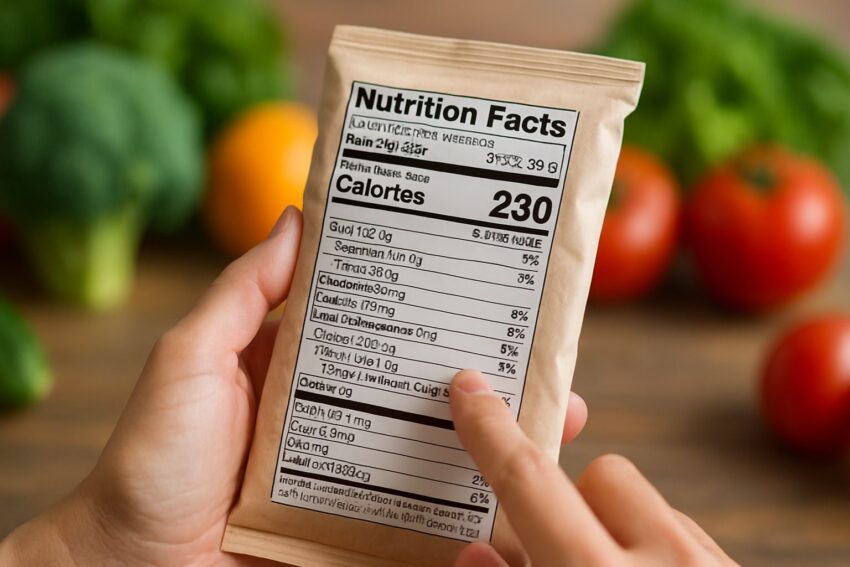
Making healthy food choices often relies on understanding what you’re really eating. One of the best tools to help you make informed decisions is the food nutrition label found on packaged foods and drinks. By learning how to read food nutrition labels, you can balance your diet, manage your weight, and control your intake of sugar, fat, and salt. This knowledge can lead to better overall health.

In this guide, we will break down nutrition labels step-by-step, provide real-life examples, and answer common questions. This way, anyone from beginners to health-conscious eaters can confidently evaluate what they buy and eat.

Why Food Nutrition Labels Matter

Nutrition labels provide clear information about what’s in your food. They allow you to:

  • Compare products quickly.
  • Track your daily intake of calories, protein, fat, sugar, and sodium.
  • Identify hidden ingredients like added sugars or trans fats.
  • Support goals such as managing weight, building muscle, or controlling health issues like high blood pressure or diabetes.

For example, someone choosing between two breakfast cereals might find that one has nearly double the sugar, even if the calorie count looks similar. That quick glance at the label can be the difference between a healthy start to the day and a sugary crash.

You can use our free basal metabolic rate calculator app to understand your daily calorie needs.

You can checkout FDA’s nutrition label education here.

Key Parts of a Nutrition Label

Understanding a nutrition label means focusing on the most important sections.

1. Serving Size

  • Always start here. The serving size shows how much food the nutrition facts apply to. If the serving size is 100g but you eat 200g, you need to double everything listed.
  • Example: A bag of chips says “Serving Size: 15 chips.” You eat 30 chips, which means the calories, fat, and sodium are all doubled from what’s listed.

2. Calories

  • Calories indicate the amount of energy the food provides per serving.
  • Tracking calories helps with weight management. Lower isn’t always better—you need enough calories for energy, but not so many that you gain extra weight.

    3. Macronutrients (Carbohydrates, Proteins, Fats)

    • Total Carbohydrates: This includes starches, fibers, and sugars. Focus on foods high in fiber and low in added sugars.
    • Proteins: These are vital for building and repairing tissues. Look for foods with moderate protein and without excess saturated fat.
    • Fats: Pay attention to the type of fat. Unsaturated fats, like those found in nuts and olive oil, are healthy, while trans fats are harmful.

    You can use our free app to calculate your ideal macronutrient balance.

      4. Added Sugars

      • Nutrition labels now list added sugars separately from natural sugars.
      • For better health, the American Heart Association suggests limiting added sugars to:
        • 25g/day for women
        • 36g/day for men
      • Example: A flavored yogurt may seem healthy, but the nutrition label might reveal it has 20g of added sugar—almost your entire daily limit in one snack.

        5. Sodium (Salt)

        • Too much sodium increases the risk of high blood pressure.
        • Aim for less than 2,300 mg of sodium per day (lower if your doctor recommends it).
        • Check labels on processed foods like soups, sauces, chips, or frozen meals, as they often contain hidden sodium.

          6. Percent Daily Value (% DV)

          • % DV shows how much a nutrient in one serving contributes to your daily recommended intake.
          • As a rule of thumb:
            • 5% DV or less = low in that nutrient
            • 20% DV or more = high in that nutrient

            How to Compare Foods Easily

            Here’s a quick food comparison example using nutrition label data:

            ItemCalories (per serving)SugarSodiumFiber
            Breakfast Cereal A20018g200mg2g
            Breakfast Cereal B1908g150mg4g

            Looking at the table, Cereal B is clearly the healthier choice. It has lower sugar, lower sodium, and higher fiber. Both cereals are similar in calories.

            Tips for Making Healthy Choices

            • Check serving sizes carefully to avoid overeating.
            • Prioritize fiber-rich foods that keep you full longer, like whole grains and beans.
            • Limit packaged foods that are high in sodium and added sugars.
            • Choose foods with healthy fats, such as nuts, fish, and avocado, instead of those with saturated and trans fats.
            • Focus on nutrient-dense foods that provide vitamins and minerals rather than just empty calories.

            Real-Life Examples and Scenarios

            1. Choosing a snack bar:

            Two bars claim to be “healthy.” One has 250 calories, 12g protein, and 3g fiber. The other has 250 calories but only 2g protein and 1g fiber along with 18g added sugar. Even though the calories are the same, the first bar is a better choice nutritionally.

            2. Buying bread:

            Whole-wheat bread with 4g fiber per slice is far better than white bread with 1g fiber, even if the calories per slice are nearly identical.

            3. Checking drinks:

            A can of soda has 150 calories, all from sugar. Sparkling water has 0 calories and no sugar. That choice adds up significantly over time.

            FAQs on How to Read Food Nutrition Labels

            Q. Are low-calorie foods always healthy?

            A. Not necessarily. Some low-calorie foods may be high in sugar or sodium. Always check the full label.

            Q. What should I check first on a nutrition label?

            A. Always start with the serving size. This helps you calculate everything correctly.

            Q. How much fiber should I look for?

            A. Aim for about 25 to 30g of fiber per day. Foods with 3g or more of fiber per serving are considered a good source.

            Q. Why is added sugar listed separately?

            A. Added sugars, like corn syrup or cane sugar, cause spikes in blood sugar and add empty calories, while natural sugars in fruit or milk come with beneficial nutrients.

            Q. How do I know if a food is good or bad just by looking?

            A. Check the serving size, calories, and % Daily Value. Aim for foods that are low in saturated fat, sodium, and sugar but high in fiber, vitamins, and protein.

            Some more Real Life Examples of Reading Food Nutrition Labels for Healthy Choices

            1. Choosing a Breakfast Cereal

            • You pick two cereals at the store.
            • Cereal A has 200 calories per serving, 18g sugar, and 2g fiber.
            • Cereal B has 190 calories, 8g sugar, and 4g fiber.
            • By reading the label, you choose Cereal B because it has less sugar and more fiber, which helps digestion and keeps you full longer.

            2. Deciding Between Yogurts

            • Flavored yogurt has 150 calories and 20g added sugar per serving.
            • Plain yogurt with fresh fruit has 100 calories and only 6g natural sugar.
            • Although flavored yogurt tastes sweet, the high added sugar makes it a less healthy choice than plain yogurt with natural fruit.

            3. Checking the Sodium in Soups

            • A canned soup label shows 700mg sodium per serving, and a bowl might contain two servings.
            • Eating one bowl gives you 1400mg sodium, which is over half the daily recommended limit.
            • Choosing a low-sodium or homemade soup can protect heart health and manage blood pressure.

            4. Comparing Snack Bars

            • One snack bar has 250 calories, 12g protein, and 3g fiber.
            • Another has the same calories but only 2g protein and 1g fiber with 18g added sugars.
            • The first bar is better for sustained energy and muscle repair, while the second has mostly empty calories from sugar.

            5. Reading Labels on Bread

            • Whole wheat bread contains 4g fiber per slice, while white bread has 1g fiber.
            • Even if calorie content is similar, whole wheat improves digestion and provides lasting energy.

            Nutrients to Watch That Are Not Good for Health

            • Added Sugars: Too much leads to weight gain, diabetes risk, and heart disease. Labels now list added sugars separately, so limit these.
            • Sodium (Salt): High sodium is linked to high blood pressure and heart problems. Choose low-sodium options.
            • Saturated Fats: Found in fatty meats, butter, and some processed foods; too much can raise bad cholesterol and heart disease risk.
            • Trans Fats: Artificial trans fats, which come from partially hydrogenated oils, are harmful as they raise bad cholesterol and lower good cholesterol. Avoid them completely.

            Final Thoughts

            Reading food nutrition labels may seem confusing at first, but with practice, it becomes easier. When you understand how to interpret serving sizes, check calories, and spot hidden sugars and sodium, you empower yourself to make healthier choices every day.

            The next time you pick up something in the supermarket, don’t just look at the front packaging. Flip it around, read the nutrition facts, and choose what truly benefits your health.

            Avocado and Banana

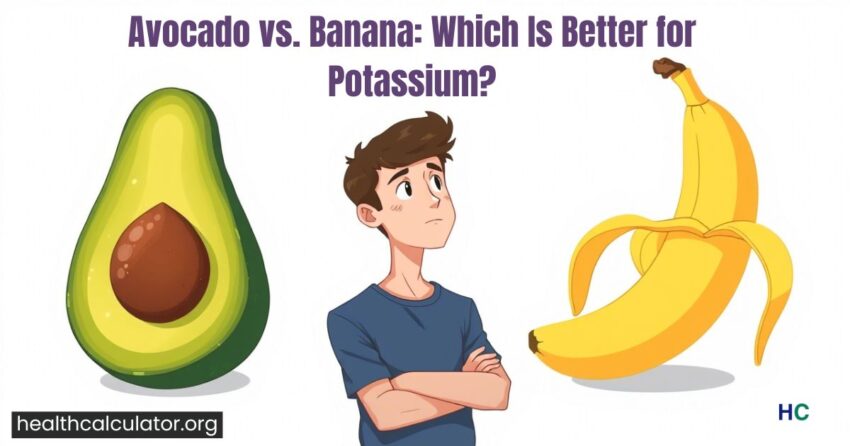
            Avocado and Banana: Which Is Better for Potassium and Heart Health?

            Posted on August 9, 2025August 9, 2025 by healthcalculator.org

            Power up your nutrition by discovering how “avocado and banana” compare, especially for heart healthy diets and electrolyte balance.

            What Makes Potassium So Important?

            Potassium is an essential mineral and electrolyte that:

            • Regulates fluid balance and blood pressure
            • Supports muscle contractions and nerve transmission
            • Lowers risk of cardiovascular disease by offsetting sodium’s effects

            Most adults need 2,600–3,400mg potassium daily, but many fall short due to low intake of fresh fruits and vegetables.

            The American Heart Association recommends a potassium-rich diet to lower blood pressure and reduce stroke risk.

            A study published in the Journal of the American College of Cardiology found that diets rich in potassium-laden foods like bananas were associated with a 27% lower risk of stroke.

            Nutritional Showdown: Avocado vs. Banana

            Let’s compare the nutritional profiles of avocado and banana, focusing on potassium:

            Avocado (1 cup, 150g)

            • Potassium: 708mg (~20% DV)
            • Healthy fats: 21g (mostly monounsaturated oleic acid)
            • Fiber: 10g
            • Key vitamins: K, E, B5, B6
            • Antioxidants: Lutein (beneficial for eye health)
            • Carbohydrates/Sugar: Low

            Banana (medium, 118g)

            • Potassium: 422mg (~12% DV)
            • Carbohydrates: 27g (14g natural sugar, 3g fiber)
            • Key vitamins: C, B6, folate
            • Antioxidants: Dopamine, catechins
            • Magnesium: 8% DV

            Potassium Content: Head-to-Head

            FruitPotassium (per 100g)Potassium (per serving)
            Avocado485mg708mg (1 cup/150g)
            Banana358mg422mg (1 medium/118g)

            Winner: Avocado, with nearly 65% more potassium per serving and higher potassium per 100g.

            Heart-Healthy Benefits

            Both avocado and banana support a heart-healthy diet:

            • Avocado: The strong combination of potassium, fiber, and healthy fats lowers LDL cholesterol and triglycerides. It also increases HDL cholesterol.
            • Banana: Eating bananas regularly can reduce the risk of stroke due to their potassium content. They can also help manage blood pressure. Magnesium and B6 assist with muscle and nervous system function.

            Pro tip: Potassium helps relax blood vessels. This supports healthy blood pressure and lessens the impact of sodium intake.

            Electrolyte Balance & Active Lifestyles

            • Bananas are a popular choice for athletes who need quick electrolytes and energy during workouts.
            • Avocados provide more potassium per serving and extra magnesium for sustained energy, making them a great option for post-exercise recovery.

            Looking Beyond Potassium

            Both fruits play key roles in a balanced, nutrient-dense diet.

            Avocado Advantages

            • Rich in heart-healthy fats, supporting brain and hormone health.
            • Low glycemic index, ideal for stable blood sugar.
            • High fiber, promoting gut health and making you feel full.
            • Great for low-carb and keto diets.

            Banana Advantages

            • Quick source of natural energy, perfect for busy days or before a workout.
            • Contains mood-boosting B6 and tryptophan.
            • Budget-friendly and convenient, with no prep required.

            Practical Tips: How to Add Avocado and Banana to Your Diet

            Avocado Ideas:

            • Blend into green smoothies. Try it with banana for a potassium boost.
            • Top whole-grain toast with avocado, tomato, and poached egg.
            • Dice into salads or stir-fries.
            • Use it as a creamy base for dressings.

            Banana Ideas:

            • Slice into oatmeal or Greek yogurt.
            • Freeze and blend for “nice cream.”
            • Add to smoothies with spinach and almond milk.
            • Bake into muffins or pancakes as a natural sweetener.

            Try this! Combine both in a supercharged avacado and banana smoothie. Blend half an avocado, one banana, spinach, almond milk, and chia seeds for a satisfying, heart-healthy breakfast.

            Need to fine-tune your nutrition for your goals? Check out our internal tools:

            • Macro Calculator for balanced macros
            • Keto Calculator if you’re curious about low-carb approaches
            • TDEE Calculator, BMR Calculator, and BMI Calculator to tailor your caloric intake
            • Step Calculator for Weight Loss to track your physical activity

            Quick Video Guide

            Don’t miss this useful video on avocado and banana for potassium and heart health:

            https://www.youtube.com/shorts/vR6SwPCaIz0

            Final Thoughts

            For those looking for the best heart-healthy foods and a good balance of electrolytes, avocado and banana each have their own unique benefits:

            • Choose avocado for its higher potassium content, healthy fats, and fiber, especially if you need to feel full or follow a low-carb diet.
            • Choose banana for its quick energy-boosting carbs and convenience.

            Together, they create a strong dietary pair; include both in your daily routine for the best health benefits!

            10000 steps a day

            10000 Steps a Day: Myth or Science for Healthy Weight Loss?

            Posted on August 7, 2025November 14, 2025 by healthcalculator.org

            In the world of health and fitness, few goals are as well-known as taking 10,000 steps a day. Fitness trackers beep when you hit that number, headlines call it the golden rule for health, and friends proudly share their daily totals. But how did 10 thousand steps a day become the standard for health; does science actually support it for healthy weight loss?

            Let’s clarify the myths and facts. We want to help you set step goals that achieve more than just a number in your fitness app.

            The Origin of the 10000 Steps a Day Rule

            The 10000 steps a day goal surprisingly didn’t come from weight loss studies or scientific findings. Its history shows that it started with a Japanese marketing campaign in the 1960s aimed at selling a pedometer called “manpo-kei,” which means “10,000 steps meter.” The number was chosen for being catchy and easy to remember, not because it was based on scientific evidence.

            Over the years, brands and fitness experts embraced the number, turning it into a standard for daily activity.

            Myth: 10 Thousand Steps a Day is the Gold Standard

            The 10,000 daily step count is certainly popular, but its origin appears to be cultural rather than backed by scientific research.

            • No Universal Scientific Basis: The Minimum activity threshold necessary to achieve health benefits has long perplexed researchers. The notion that 10000 steps a day is the absolute minimum for enhanced health is a myth.
            • Health Benefits Start Lower: Many adults aged 45 and older stand to gain several health enhancements, including enhanced cardiovascular function and lowered mortality risk, by taking between 4,000-7,000 steps daily.
            • It’s A Multifactorial Issue: The path to weight loss, while certainly including a caloric deficit. is a rather complex multifactorial issue that goes far beyond the step count.

            Science: What Does Research Say About Steps and Weight Loss?

            While keeping track of your step count can be a fun way to stay motivated on your fitness journey, the link between steps and weight loss is a bit more intricate:

            • Calories Burned: Generally, walking around 10,000 steps can burn roughly 300–500 calories, but this varies based on factors like your weight, walking speed, and overall fitness level.
            • Role of Food Intake: Just one calorie-dense meal or snack can easily counteract the calories you burn from those 10 thousand steps.
            • Body Adaptation: Your body tends to adjust to regular walking, which might lead to burning fewer calories over time, especially if you stick to the same step count.

            Key takeaway: Walking can definitely help you create a calorie deficit, but without adding in other strategies—like better nutrition, strength training, or simply moving more throughout the day—you might find your weight loss journey hitting a plateau.

            Beyond the Step Count: What Really Matters

            1. Intensity of Movement

            Not all steps are created equal. When you pick up the pace with brisk walking, jogging, or tackle some hills, you’re really challenging your body and burning more calories compared to a leisurely stroll.

              2. Lifestyle & NEAT (Non-Exercise Activity Thermogenesis)

              The calories you burn outside of your formal workouts—like doing household chores, playing with your kids, or even walking while chatting on the phone—really add up. Staying active in your daily life can have a huge impact, sometimes even more than just focusing on those dedicated exercise sessions.

                3. Diet Quality

                  No matter how much you walk, it won’t make up for consistently poor eating habits. Weight loss really boils down to maintaining a calorie deficit—burning more calories than you take in.

                  4. Sleep & Stress

                    Lack of sleep and ongoing stress can throw your hormones out of whack, affecting your appetite and how your body stores fat, which can lessen the benefits of your daily movements.

                    5. Personalization

                      Set goals that align with your health, lifestyle, and what you enjoy. If you’re starting from a sedentary lifestyle, gradually increasing your steps from 3,000 to 6,000 is a fantastic way to improve your health. For those who are already active, aiming for 10,000 steps might be a suitable challenge. Just remember, everyone’s “magic number” is unique!

                      Should You Aim for 10000 Steps a Day? A Practical Perspective

                      • It’s a Great Motivational Tool: For a lot of people, keeping track of their steps can be a real game-changer. If shooting for 10 thousand steps gets you up and moving, that’s awesome!
                      • It’s Not a Must: Even if you take fewer steps, you can still enjoy significant health benefits, especially when you pair it with a balanced lifestyle.
                      • Make It Part of a Bigger Plan: Think about combining your walking routine with other exercises like strength training or HIIT, along with healthier eating habits and good quality sleep for effective, sustainable weight loss.

                      Use a Step Calculator for Weight Loss

                      When it comes to step goals, there’s no one-size-fits-all solution. Want to find a more personalized approach? Check out our step calculator for weight loss to uncover a daily target that fits your unique body, lifestyle, and goals.

                      Conclusion

                      The “10000 steps a day” guideline can be a useful benchmark, but it’s not a scientifically proven rule for health or weight loss. What really matters is finding what inspires you, staying consistent, and remembering that the quality of your movement and the joy you find in it are just as important as the number of steps you take. Embrace all kinds of movement and celebrate every little victory on your journey to a healthier you.

                      FAQs

                      Q: Can I lose weight with fewer than 10000 steps daily?

                      A: Absolutely! Weight loss is all about creating a calorie deficit, which you can achieve even with fewer steps, especially if you’re also watching your calorie intake.

                      Q: What matters more—steps or exercise intensity?

                      A: Both are crucial, but the intensity of your workouts can significantly boost calorie burn and improve your fitness over time.

                      The key is to stay active. Whether you’re walking 5,000, 8,000, or 12,000 steps, make a commitment to move every day; your body, mind, and mood will definitely appreciate it!

                      best fruits for hair health

                      Best Fruits for Hair Health: A Practical Guide

                      Posted on July 25, 2025September 6, 2025 by healthcalculator.org

                      Your kitchen might hold the key to growing stronger, shinier hair. While creams and serums can help, what you put on your plate often matters even more. Let’s explore how everyday fruits can boost your hair’s health and offer simple, approachable ways to enjoy them, no scientific jargon, just real food advice. So let’s see which are the best fruits for hair health.

                      Biotin: Nature’s Support for Strong Hair

                      Biotin, sometimes called vitamin B7, helps your hair grow thick and strong. If you notice more hair in your brush than usual, a lack of biotin could be part of the problem.

                      Three Biotin Heroes

                      • Bananas
                        Simple and easy to find, bananas aren’t just convenient snacks, they’re a sneaky way to add biotin to your day. You can stir slices into your morning oatmeal, toss them in a smoothie, or freeze chunks for dessert.
                      • Avocados
                        Avocados go beyond their creamy texture, half a cup packs a solid biotin punch and plenty of healthy fats for shiny hair. Smear avocado on toast, toss cubes into your salad, or blend into your favorite green smoothie.
                      • Berries (Strawberries, Raspberries, Blackberries)
                        You don’t need a lot, just a handful in your yogurt, salad, or muffin batter. Besides biotin, berries bring powerful antioxidants to the table.

                      Small Changes to Try:

                      • Add avocado and banana to your next smoothie bowl.
                      • Mix berries into your pancakes or just eat them by the handful for a quick snack.

                      Vitamin A: Your Scalp’s Moisturizer

                      To keep your scalp comfortable and hair naturally glossy, you need enough vitamin A. This vitamin helps your scalp make sebum, the oil that protects hairs from dryness.

                      Bright Orange Favorites

                      • Mangoes
                        Mango gives a big boost of vitamin A, and its tropical flavor makes even a gloomy breakfast feel like summer. Chop it into salsa, mix into overnight oats, or enjoy plain.
                      • Apricots
                        Fresh or dried, apricots are a portable source of vitamin A. Tuck dried apricots into your bag for a snack or slice fresh apricots over yogurt.
                      • Cantaloupe
                        Juicy and refreshing, cantaloupe hydrates you while delivering vitamin A. For fun, freeze melon balls and enjoy them on a hot day.

                      Simple Tweaks:

                      • Drizzle olive oil on your mango salad, healthy fats help your body use more vitamin A.
                      • Bake chopped apricots into muffins for a sweet, nutritious twist.

                      Vitamin C: For Strong, Resilient Hair

                      If your hair breaks easily, vitamin C could help. It’s key for making collagen, which supports each strand from the inside out. Plus, it helps your body use iron, another important nutrient for hair.

                      Top Vitamin C Picks

                      • Oranges
                        Snack on orange wedges, add zest to your favorite baking recipes, or squeeze fresh juice.
                      • Strawberries
                        One cup has plenty of vitamin C. Try dipping strawberries in yogurt or melting dark chocolate for a special treat.
                      • Kiwi
                        Did you know kiwi actually beats oranges in vitamin C? Scoop and eat right out of the skin, or slice on top of oatmeal.
                      • Guava
                        If you spot guava at the store, grab it, it has loads of vitamin C. Add to fruit salads or simply eat as is for a tropical pick-me-up.

                      Quick Tips:

                      • Eat strawberries or kiwi with breakfast cereals made from whole grains, vitamin C helps you absorb more iron.
                      • Freeze citrus or kiwi pieces for cold snacks in hot weather.

                      Meal Ideas to Work Fruits into Your Day

                      Sometimes, eating more of something just comes down to easy routines. Here are a few everyday ideas:

                      • Breakfast:
                        Blend banana and spinach for a quick smoothie.
                        Top yogurt with orange segments and a handful of berries.
                      • Lunch:
                        Toss avocado and mango into your next chicken or tofu salad.
                      • Snacks:
                        Munch on a small bowl of cantaloupe cubes or pack dried apricots and pumpkin seeds for the afternoon slump.
                      • Treats:
                        Dip banana in dark chocolate and freeze for a healthy dessert.
                        Whip up a strawberry compote for pancakes or toast.

                      Everyday Choices Make the Difference

                      Strong, vibrant hair isn’t just about what you put on it, it’s about everything you put in your body. Fill your grocery basket with bananas, avocados, mangoes, berries, oranges, and whatever’s in season. Try a few new recipes, swap a processed snack for some fresh fruit, and over time, you’ll notice a difference. Hair health is a journey, enjoy each delicious step along the way.

                      keto diet

                      The Keto Diet: Benefits, Risks, and Getting Started

                      Posted on June 30, 2025November 14, 2025 by healthcalculator.org

                      Imagine a diet that promises rapid weight loss, improved mental clarity, and steady energy levels—without constant hunger pangs. This is the allure of the keto diet, a low-carb, high-fat eating plan that has sparked both enthusiasm and debate. But is it right for you? In this ketogenic guide, we’ll explore the science behind the diet, its potential keto diet benefits, risks, and practical steps to help you decide if this lifestyle aligns with your health goals.


                      What is the Keto Diet?

                      The ketogenic (keto) diet is a low-carb eating plan designed to shift your body into a metabolic state called ketosis. By drastically reducing carbohydrate intake (typically to 20–50 grams per day) and increasing fats, the diet forces the body to burn fat for fuel instead of glucose.

                      Key Components:

                      • High fat: 70–80% of daily calories from sources like avocados, oils, nuts, and fatty meats.
                      • Moderate protein: 20–25% to prevent excess protein from converting to glucose.
                      • Very low carbs: 5–10% (about 20–50 grams net carbs daily).

                      The Science Behind Ketosis

                      When you eat carbs, your body breaks them down into glucose, its preferred energy source. On keto, carb restriction depletes glucose stores, prompting the liver to convert fats into ketones. These ketones become the brain and body’s primary fuel.

                      Research Insight: A 2018 study in Nutrients found that ketosis improves insulin sensitivity and reduces inflammation, which may benefit conditions like type 2 diabetes and obesity. However, long-term effects require further study.


                      Benefits of the Keto Diet

                      1. Weight Loss:
                        One of the most touted keto diet benefits is rapid initial weight loss, partly due to water loss and reduced appetite. A 2020 review in Obesity Reviews noted greater short-term weight loss on keto compared to low-fat diets.
                      2. Blood Sugar Control:
                        By minimizing carb intake, keto can stabilize blood sugar levels, making it a potential tool for managing type 2 diabetes (under medical supervision).
                      3. Enhanced Mental Focus:
                        Ketones provide a steady energy source for the brain, which some report improves concentration and reduces “brain fog.”
                      4. Epilepsy Management:
                        The diet was originally developed in the 1920s to reduce seizures in children with epilepsy, a use still endorsed by institutions like Johns Hopkins Medicine.

                      Potential Risks and Drawbacks

                      While promising, keto isn’t without risks:

                      1. Keto Flu:
                        Initial side effects like headaches, fatigue, and irritability (caused by electrolyte imbalances) affect many beginners.
                      2. Nutrient Deficiencies:
                        Restricting food groups may lead to deficiencies in fiber, vitamins (e.g., C, K), and minerals.
                      3. Heart Health Concerns:
                        High intake of saturated fats (e.g., red meat, butter) may increase LDL cholesterol in some individuals. Experts recommend prioritizing unsaturated fats like olive oil and nuts.
                      4. Sustainability:
                        Strict carb limits can make social dining and long-term adherence challenging.

                      Is the Keto Diet Right for You?

                      Consider keto if:

                      • You’re managing epilepsy or type 2 diabetes (with professional guidance).
                      • You prefer satiating, fat-rich meals.
                      • You’re prepared for meticulous meal planning.

                      Avoid it if:

                      • You have kidney disease, pancreatic issues, or a history of eating disorders.
                      • You’re pregnant or breastfeeding.
                      • You dislike restrictive diets.

                      Pro Tip: Consult a healthcare provider or dietitian before starting, especially if you take medications (e.g., insulin).


                      Getting Started: A Step-by-Step Guide

                      1. Calculate Your Macros:
                        Use our Keto Calculator to determine your daily fat, protein, and carb targets.
                      2. Stock Keto-Friendly Foods:
                      • Fats: Avocado, olive oil, coconut oil.
                      • Proteins: Eggs, fatty fish, chicken thighs.
                      • Low-carb veggies: Spinach, broccoli, zucchini.
                      1. Stay Hydrated and Replenish Electrolytes:
                        Drink water and consider sodium, potassium, and magnesium supplements to combat keto flu.
                      2. Ease into It:
                        Gradually reduce carbs over a week to minimize side effects.

                      Meal Planning and Food Choices

                      Sample Day on Keto:

                      • Breakfast: Spinach omelet with avocado.
                      • Lunch: Grilled chicken salad with olive oil dressing.
                      • Dinner: Salmon with cauliflower rice.
                      • Snacks: Cheese, nuts, or olives.

                      Avoid: Sugary snacks, grains, legumes, and starchy vegetables.


                      Common Pitfalls to Avoid

                      1. Overeating Protein: Excess protein can disrupt ketosis. Stick to moderate portions.
                      2. Ignoring Fiber: Combat constipation with low-carb veggies and chia seeds.
                      3. Hidden Carbs: Check labels for sneaky carbs in sauces, condiments, and “low-fat” products.

                      Conclusion

                      The keto diet offers compelling benefits, from weight loss to improved metabolic health, but it’s not a one-size-fits-all solution. By understanding the science, risks, and practical strategies outlined in this ketogenic guide, you can make an informed choice. Remember: sustainable health hinges on balance, personalization, and professional guidance.


                      Keto Diet Explained in 60 Seconds: Watch the Visual Breakdown


                      Disclaimer: This article is for educational purposes only. Consult a healthcare provider before making dietary changes.


                      intermittent fasting

                      The Benefits of Intermittent Fasting for Weight Loss

                      Posted on February 19, 2025February 19, 2025 by healthcalculator.org

                      Intermittent Fasting for Weight Loss: Benefits and How to Start

                      In recent years, intermittent fasting has gained significant attention as a powerful tool for weight loss and overall health improvement. Unlike traditional diets that focus on what to eat, intermittent fasting emphasizes when to eat. This approach has been embraced by millions worldwide, not only for its effectiveness in shedding pounds but also for its potential to enhance metabolic health, boost energy levels, and promote longevity. In this article, we’ll explore the science behind intermittent fasting, its benefits for weight loss, and practical tips to get started.


                      What is Intermittent Fasting?

                      Intermittent fasting (IF) is an eating pattern that cycles between periods of fasting and eating. It doesn’t prescribe specific foods but rather focuses on timing. The most common methods include:

                      1. 16/8 Method: Fast for 16 hours and eat during an 8-hour window. For example, eating between 12 PM and 8 PM.
                      2. 5:2 Diet: Eat normally for five days and restrict calorie intake to 500-600 calories on two non-consecutive days.
                      3. Eat-Stop-Eat: Fast for a full 24 hours once or twice a week.
                      4. Alternate-Day Fasting: Alternate between days of normal eating and days of fasting or very low-calorie intake.

                      These methods are flexible and can be tailored to individual preferences and lifestyles. The key is to find a fasting schedule that works for you.


                      How Intermittent Fasting Promotes Weight Loss

                      Intermittent fasting aids weight loss through several physiological mechanisms. Here’s how it works:

                      1. Reduces Calorie Intake

                      By limiting the time window for eating, intermittent fasting naturally reduces calorie consumption. For example, skipping breakfast and eating only during an 8-hour window can lead to fewer meals and snacks, creating a calorie deficit essential for weight loss.

                      2. Boosts Metabolism

                      Fasting triggers hormonal changes that enhance fat burning. During fasting, insulin levels drop, allowing the body to access stored fat for energy. Additionally, fasting increases levels of norepinephrine, a hormone that boosts metabolism and promotes fat breakdown.

                      3. Enhances Fat Burning

                      When you fast, your body depletes its glycogen stores and shifts to burning fat for fuel. This process, known as ketosis, is particularly effective for reducing body fat, especially stubborn belly fat.

                      4. Preserves Muscle Mass

                      Unlike traditional calorie-restricted diets, intermittent fasting helps preserve lean muscle mass while promoting fat loss. This is crucial because muscle tissue burns more calories at rest than fat tissue, supporting long-term weight management.

                      5. Improves Insulin Sensitivity

                      Intermittent fasting improves insulin sensitivity, allowing your body to use glucose more efficiently. This reduces fat storage and lowers the risk of type 2 diabetes, a condition often associated with obesity.


                      Additional Health Benefits of Intermittent Fasting

                      Beyond weight loss, intermittent fasting offers numerous health benefits:

                      1. Reduces Inflammation

                      Fasting has been shown to reduce markers of inflammation, which is linked to chronic diseases like heart disease, arthritis, and Alzheimer’s.

                      2. Supports Brain Health

                      Intermittent fasting may enhance brain function by promoting the production of brain-derived neurotrophic factor (BDNF), a protein that supports cognitive health and reduces the risk of neurodegenerative diseases.

                      3. Promotes Longevity

                      Studies in animals suggest that intermittent fasting can extend lifespan by improving cellular repair processes and reducing oxidative stress.

                      4. Improves Heart Health

                      Fasting can lower blood pressure, cholesterol levels, and triglycerides, all of which are risk factors for heart disease.

                      5. Enhances Gut Health

                      Giving your digestive system a break during fasting periods can improve gut health by promoting a balanced microbiome.


                      Getting Started with Intermittent Fasting

                      If you’re new to intermittent fasting, here’s a step-by-step guide to help you begin:

                      1. Choose a Fasting Method

                      Start with a method that aligns with your lifestyle. The 16/8 method is the most beginner-friendly, while the 5:2 diet may suit those who prefer fewer restrictions.

                      2. Ease Into It

                      If fasting for 16 hours feels daunting, start with a 12-hour fast and gradually increase the duration as your body adapts.

                      3. Stay Hydrated

                      Drink plenty of water, herbal teas, and black coffee during fasting periods to stay hydrated and curb hunger.

                      4. Eat Nutrient-Dense Foods

                      Focus on whole, unprocessed foods during eating windows. Include lean proteins, healthy fats, fiber-rich vegetables, and complex carbohydrates to stay full and energized.

                      5. Listen to Your Body

                      Pay attention to how your body responds. If you feel dizzy, fatigued, or unwell, adjust your fasting schedule or consult a healthcare professional.

                      6. Be Consistent

                      Consistency is key to seeing results. Stick to your fasting schedule for at least a few weeks to allow your body to adapt.


                      Common Mistakes to Avoid

                      While intermittent fasting is relatively simple, there are some pitfalls to watch out for:

                      1. Overeating During Eating Windows: Avoid compensating for fasting periods by overeating. This can negate the calorie deficit needed for weight loss.
                      2. Choosing Unhealthy Foods: Intermittent fasting isn’t a free pass to eat junk food. Prioritize nutrient-dense meals for optimal results.
                      3. Ignoring Hunger Signals: If you feel excessively hungry or unwell, it’s okay to break your fast. Fasting should feel sustainable, not punishing.
                      4. Skipping Hydration: Dehydration can mimic hunger, so drink plenty of fluids during fasting periods.

                      Who Should Avoid Intermittent Fasting?

                      Intermittent fasting isn’t suitable for everyone. The following groups should avoid it or consult a healthcare provider before starting:

                      • Pregnant or breastfeeding women
                      • Individuals with a history of eating disorders
                      • People with diabetes or blood sugar regulation issues
                      • Those with chronic medical conditions or on medications

                      Success Stories and Scientific Evidence

                      Numerous studies and real-life success stories highlight the effectiveness of intermittent fasting for weight loss. For example, a 2014 review published in Translational Research found that intermittent fasting led to significant weight loss and improvements in metabolic health. Similarly, a 2018 study in Cell Metabolism showed that fasting improved insulin sensitivity and reduced visceral fat.

                      Many individuals have also shared their transformative journeys online, crediting intermittent fasting for helping them lose weight, gain energy, and improve their overall well-being.


                      Tips for Long-Term Success

                      To make intermittent fasting a sustainable part of your lifestyle, consider these tips:

                      1. Combine with Exercise: Incorporate regular physical activity to enhance fat burning and muscle preservation.
                      2. Track Your Progress: Use a journal or app to monitor your fasting schedule, meals, and weight loss progress.
                      3. Stay Patient: Weight loss takes time. Focus on gradual, sustainable changes rather than quick fixes.
                      4. Seek Support: Join online communities or find a fasting buddy to stay motivated and share tips.

                      Conclusion

                      Intermittent fasting is more than just a weight loss trend; it’s a scientifically backed approach to improving health and well-being. By reducing calorie intake, boosting metabolism, and promoting fat burning, intermittent fasting can help you achieve your weight loss goals while offering additional benefits like improved insulin sensitivity, reduced inflammation, and enhanced brain health.

                      If you’re considering intermittent fasting, start slowly, choose a method that suits your lifestyle, and prioritize nutrient-dense foods. Remember, consistency and patience are key to long-term success. With the right approach, intermittent fasting can be a powerful tool to transform your health and achieve sustainable weight loss.

                      Note: For using the latest health tools like BMI, BMR, Keto, Macro, Calorie, and more visit HealthCalculator.org

                      • Previous
                      • 1
                      • 2
                      • 3
                      • 4
                      • Next

                      🧮 Our Health Tools

                      📊 Smart BMI Calculator → 🔥 BMR Calculator → ⚡ TDEE Calculator → 🥗 Macro Calculator → 🥑 Keto Calculator → 👟 Step Calculator for Weight Loss → 🏋️ Barbell Calculator → 💪 1 Rep Max Calculator → 🍗 Protein Calculator →


                      Health Calculator
                      Free and accurate online tools for tracking your body stats, diet, and health — all in one place.

                      Latest Posts

                      • Ebola Outbreak: Spread, Survival, and Stopping It
                      • The Dietary Supplement Shift: Why Specific Ingredients Now Beat Generic Labels
                      • The Tingling Molecule: How Alkylamides in Sichuan Pepper and Echinacea Rewire Pain and Immunity
                      • Sexually Transmitted Diarrhea and Shigella Infection What to Know
                      • Top 10 Melatonin Rich Foods for Better Sleep

                      Links

                      • About
                      • Contact us
                      • Privacy Policy
                      • Terms & Conditions
                      • Disclaimer
                      • How to Use
                      • Blog

                      Calculator

                      • BMI Calculator
                      • BMR Calculator
                      • TDEE Calculator
                      • Macro Calculator
                      • Keto Calculator
                      • Step Calculator for Weight Loss
                      • Protein Calculator
                      • 1 Rep Max Calculator
                      • Barbell Calculator
                      • Fitness Planner – Workout Distribution Tool
                      • Workout Planner – Weekly Schedule Generator
                      • Gym Workout Planner with 800+ Exercises
                      • Instagram
                      • Facebook
                      • YouTube
                      © 2026 Health Calculator | Powered by Minimalist Blog WordPress Theme